Pre-K Worksheets
A child's first steps into letters and numbers can begin with crayons, paper and a grown-up nearby. Our Pre-K worksheets give young learners that starting point, with hundreds of easy printables that build fine motor skills, handwriting and early reading and math confidence. Children trace letters from A to Z, follow simple mazes, count pictures in I Spy grids and match sight words such as cat, cow, hen and pig. The formats stay short and visual: tracing pages, number sense practice, letter sounds, picture sudoku and odd-one-out puzzles.
Read more +
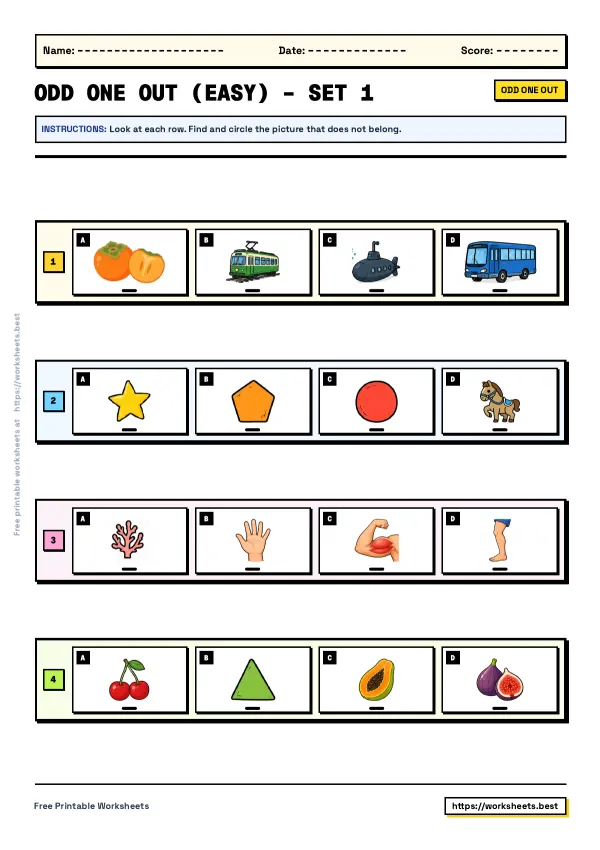
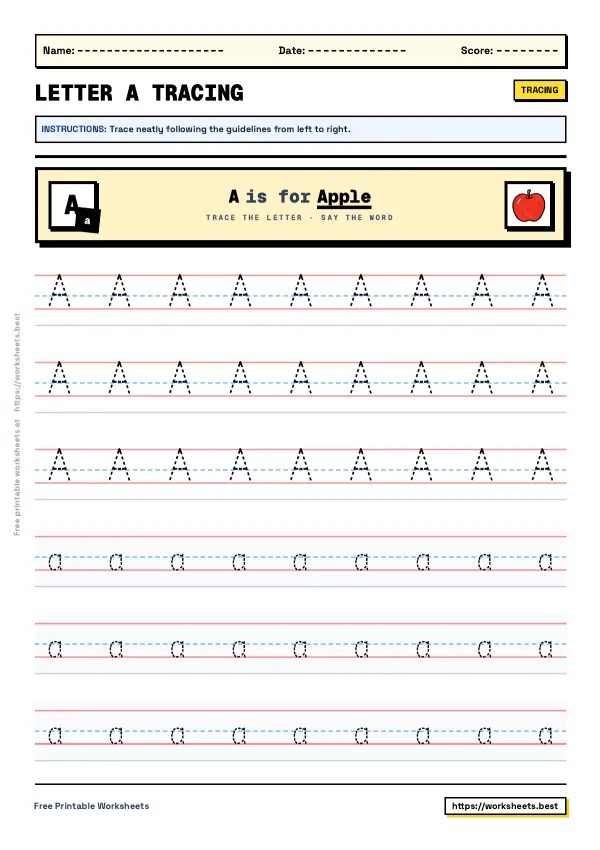
Most pages include answer keys, so a parent or teacher can check work quickly. Use a letter tracing page that walks through the alphabet, or an easy odd-one-out sheet where one picture does not match the rest. These short tasks suit preschoolers getting ready for kindergarten, and they work well as a morning warm-up, a quiet center activity or a calm five-minute break at home. Print only the pages you need, keep crayons and a pencil nearby, and let children talk through what they see before they mark the paper.
every sheet
All Pre-K worksheets
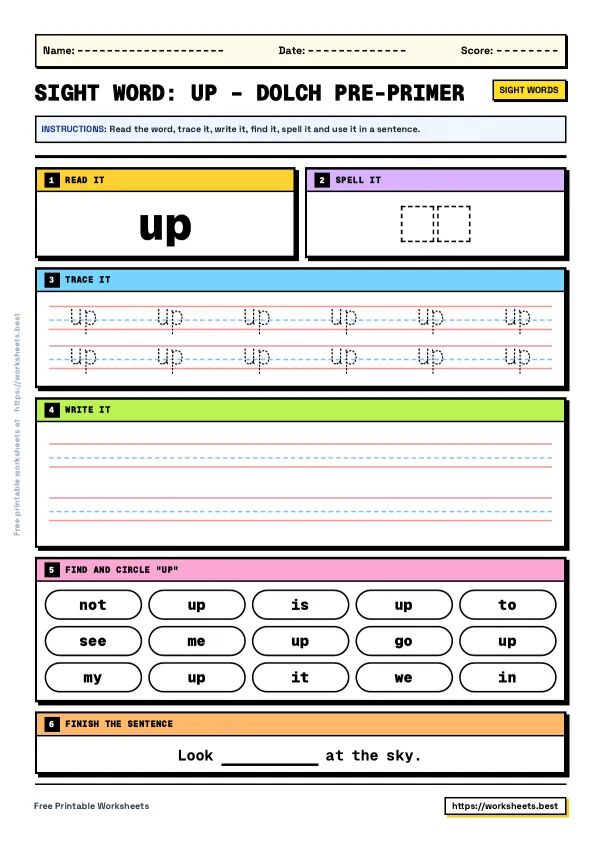
Sight Word: Up – Dolch Pre-Primer
Pre-K–KSight Words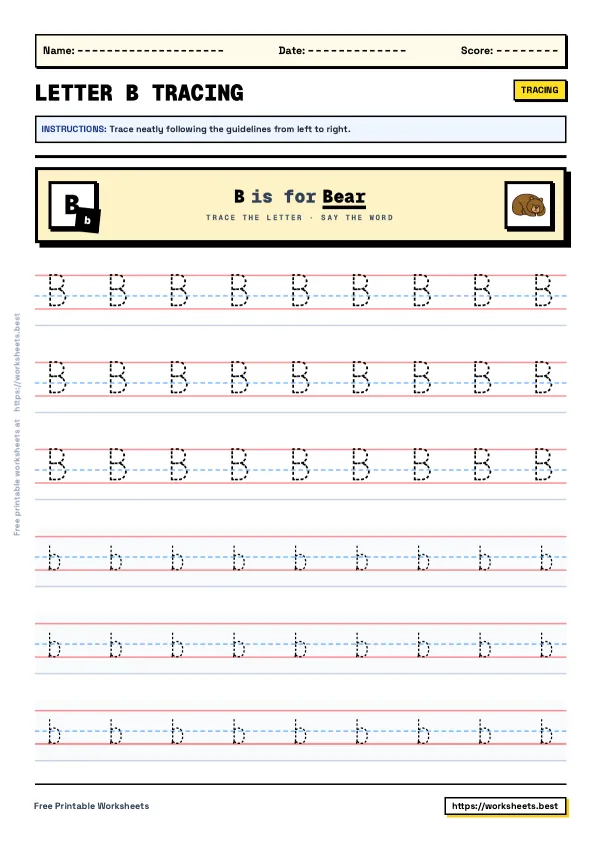
Letter B Tracing
Pre-K–KTracing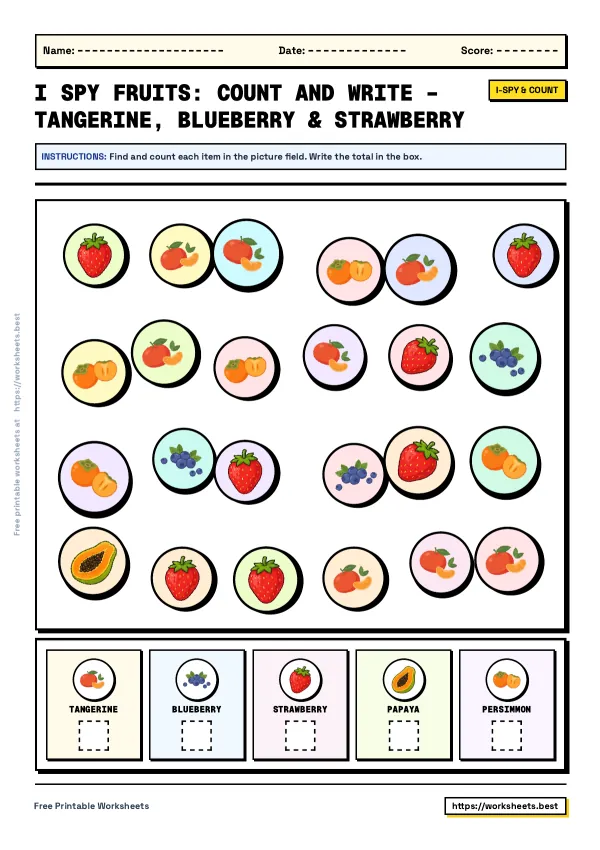
I Spy Fruits: Count and Write – Tangerine, Blueberry & Strawberry
Pre-K–KI Spy Counting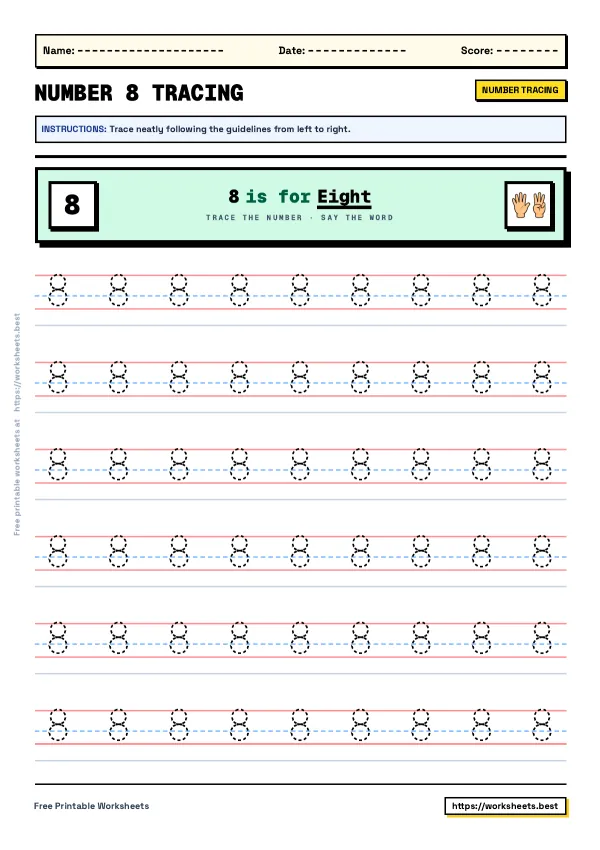
Number 8 Tracing
Pre-K–KTracing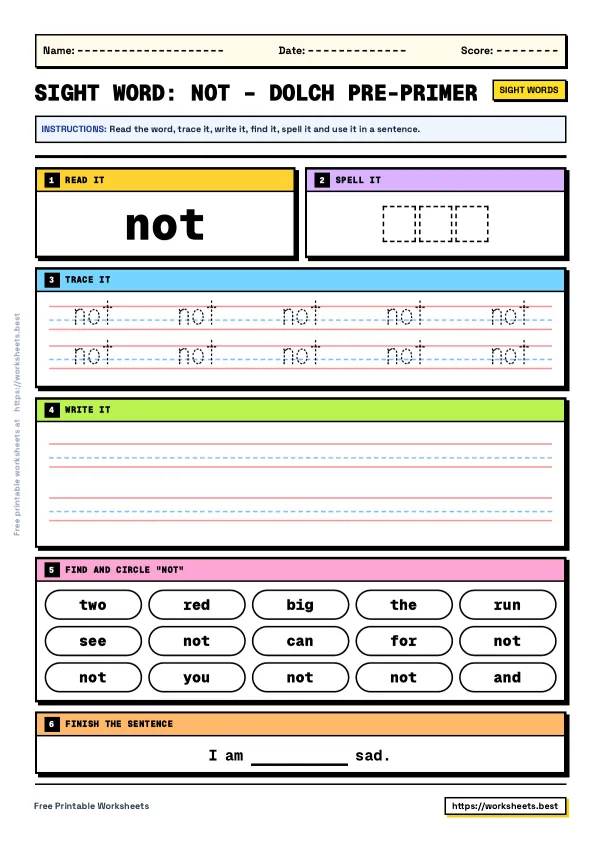
Sight Word: Not – Dolch Pre-Primer
Pre-K–KSight Words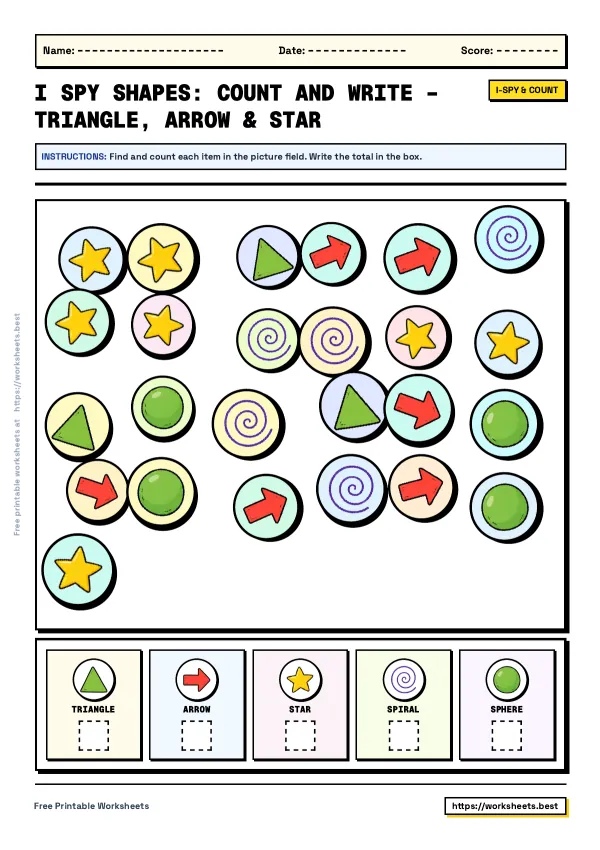
I Spy Shapes: Count and Write – Triangle, Arrow & Star
Pre-K–KI Spy Counting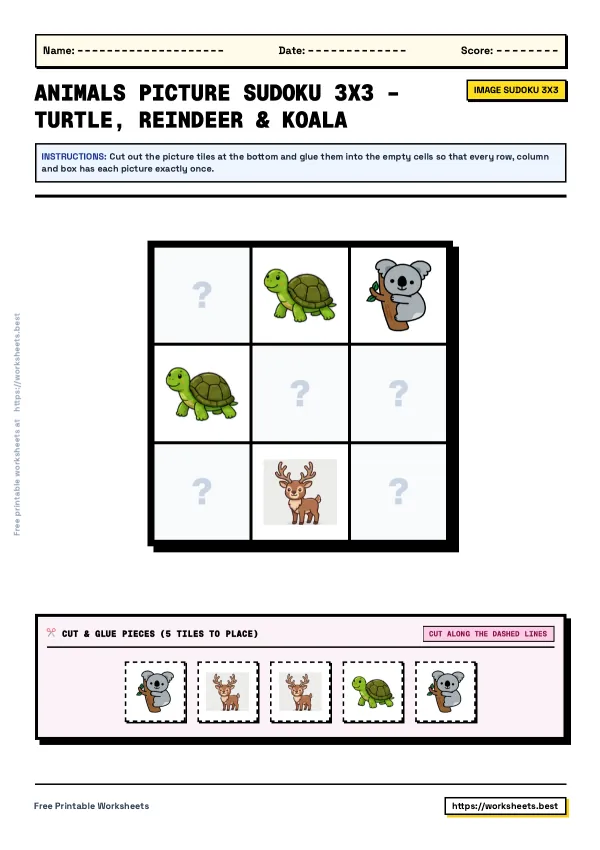
Animals Picture Sudoku 3x3 – Turtle, Reindeer & Koala
Pre-K–KPicture Sudoku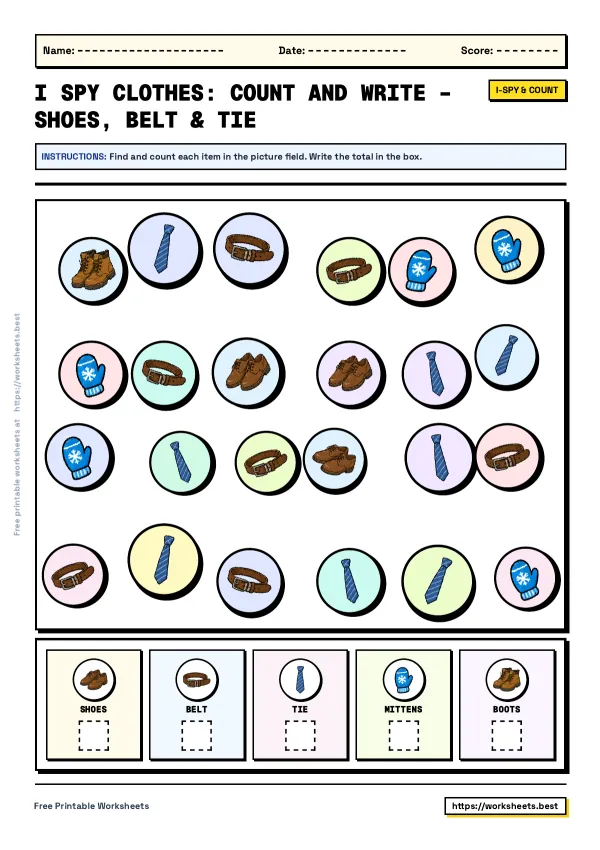
I Spy Clothes: Count and Write – Shoes, Belt & Tie
Pre-K–KI Spy Counting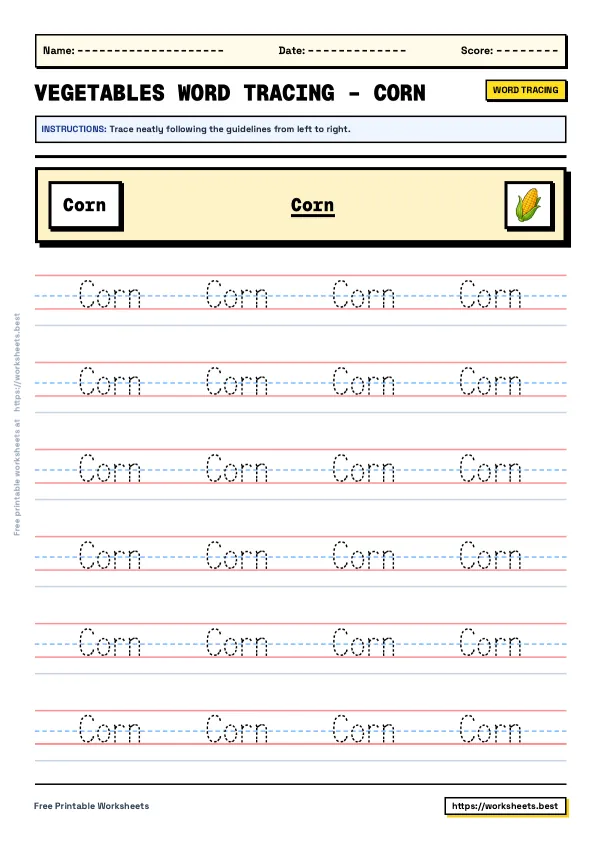
Vegetables Word Tracing – Corn
Pre-K–KTracing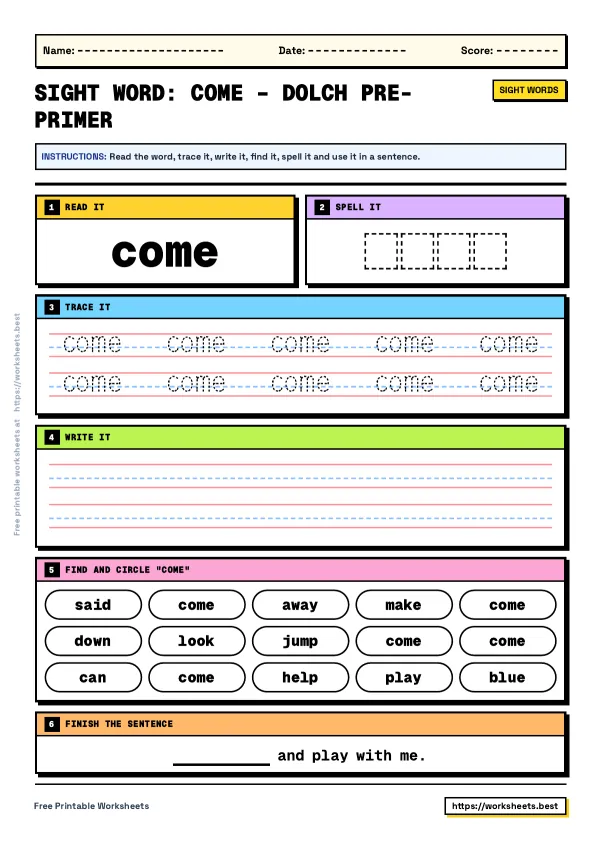
Sight Word: Come – Dolch Pre-Primer
Pre-K–KSight Words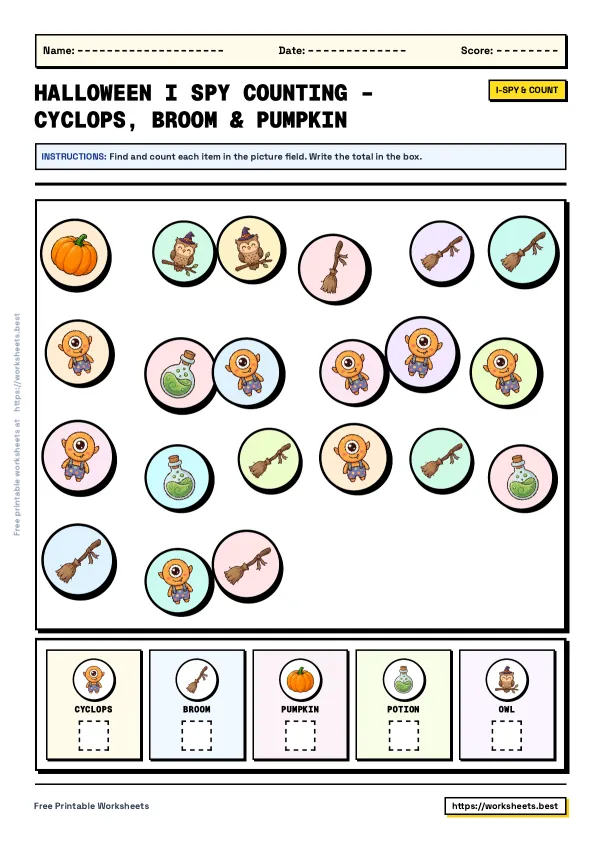
Halloween I Spy Counting – Cyclops, Broom & Pumpkin
Pre-K–KI Spy Counting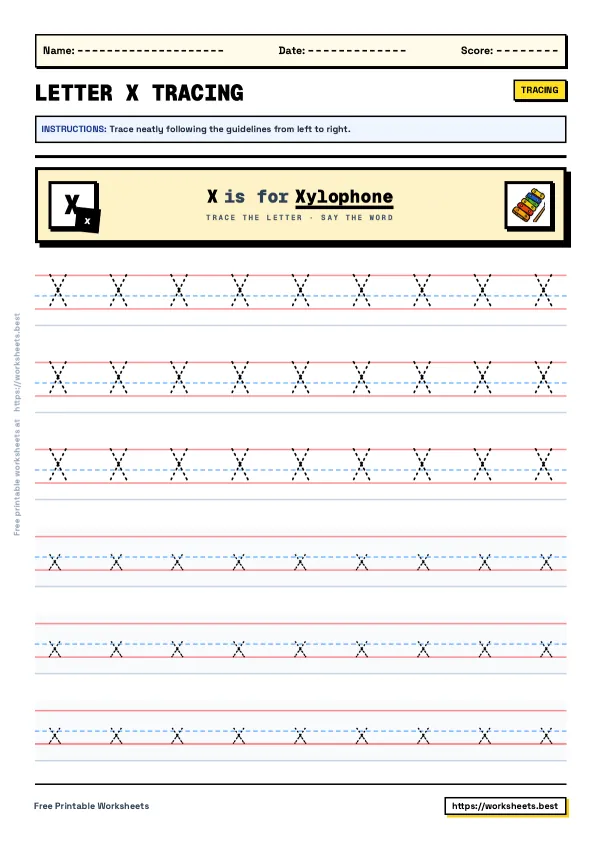
Letter X Tracing
Pre-K–KTracing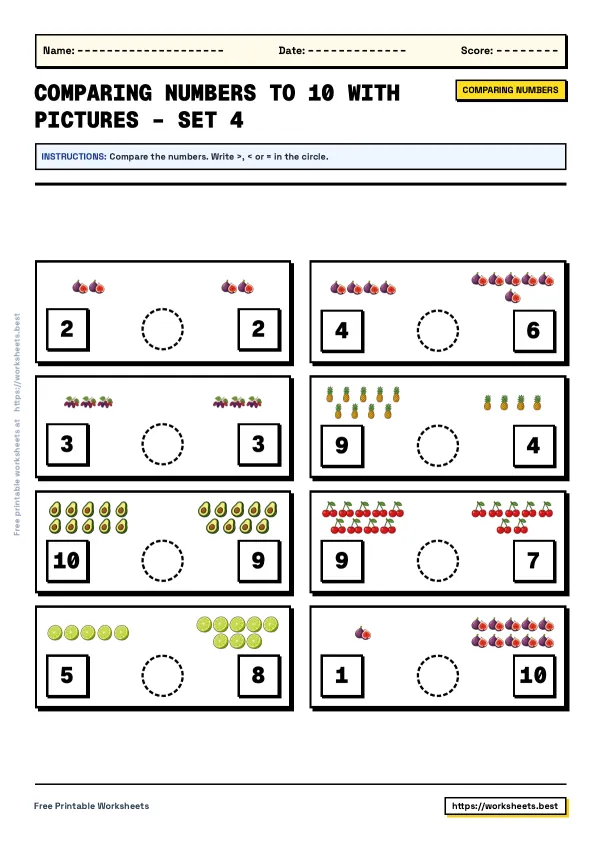
Comparing Numbers to 10 with Pictures – Set 4
Pre-K–KNumber Sense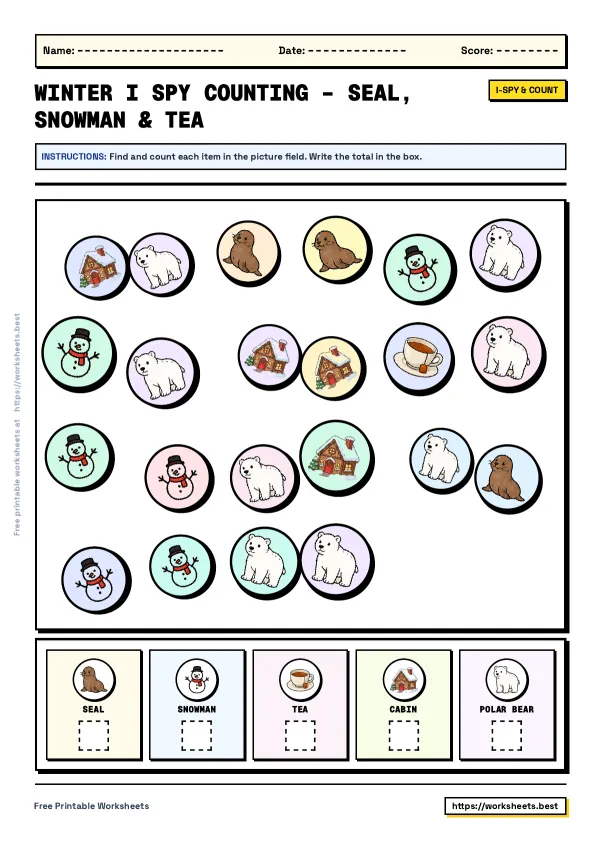
Winter I Spy Counting – Seal, Snowman & Tea
Pre-K–KI Spy Counting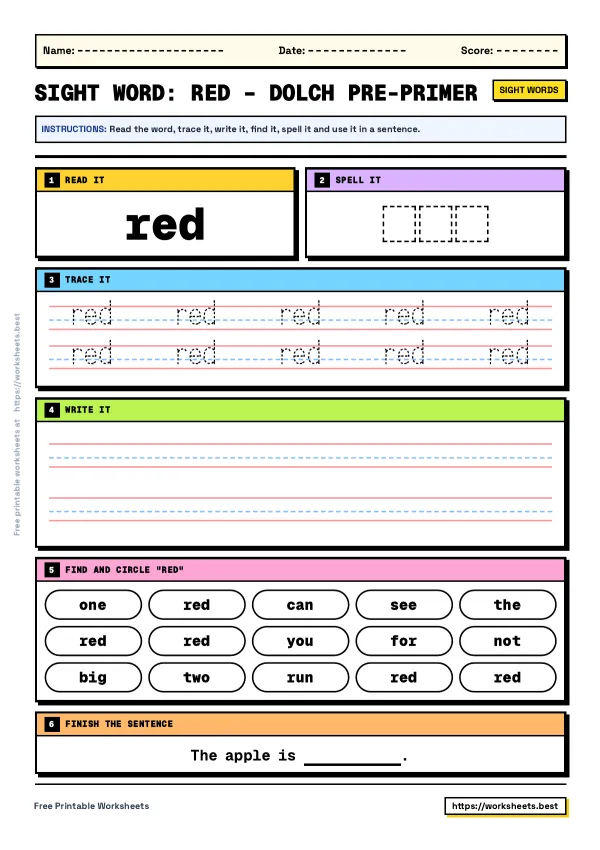
Sight Word: Red – Dolch Pre-Primer
Pre-K–KSight Words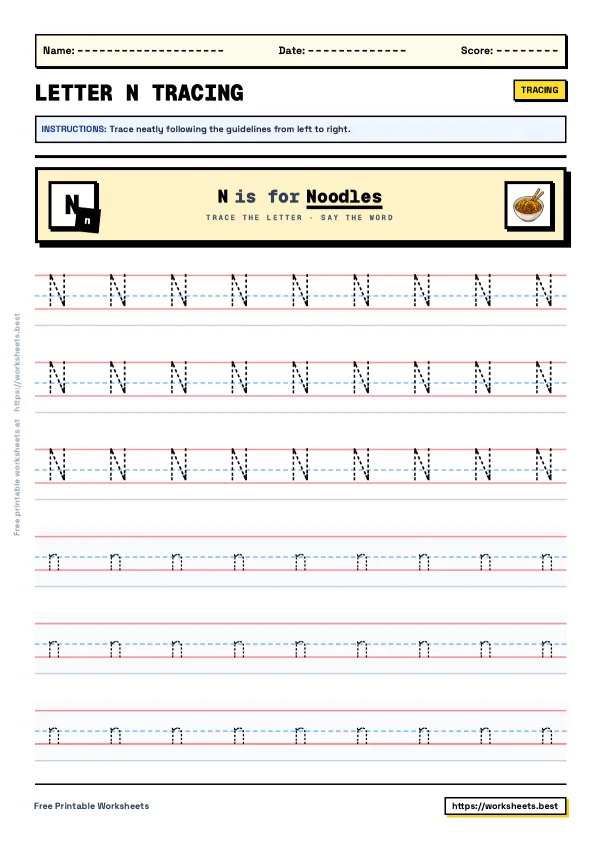
Letter N Tracing
Pre-K–KTracing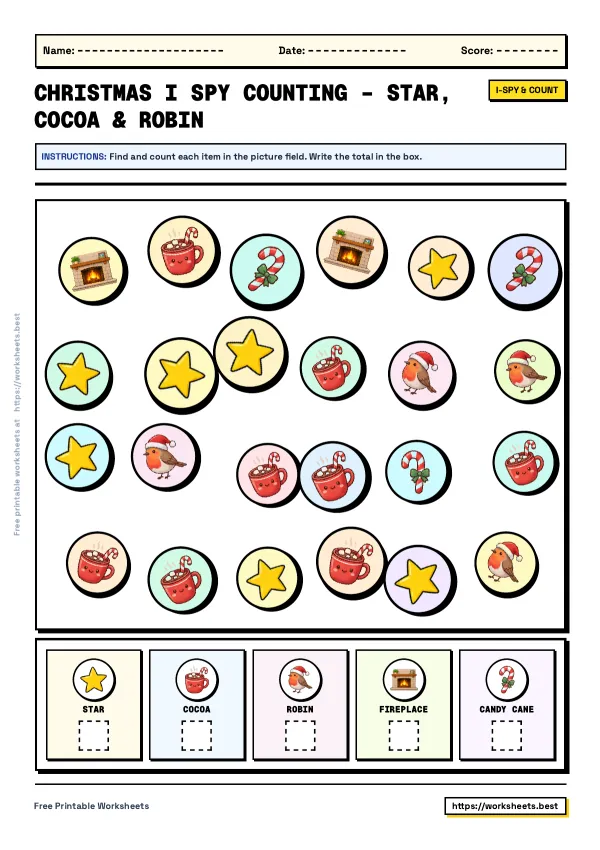
Christmas I Spy Counting – Star, Cocoa & Robin
Pre-K–KI Spy Counting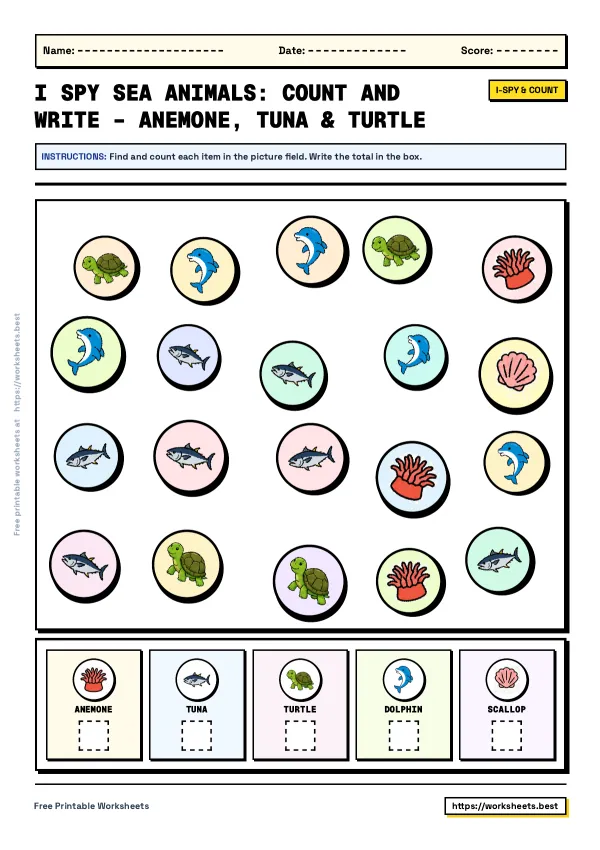
I Spy Sea Animals: Count and Write – Anemone, Tuna & Turtle
Pre-K–KI Spy Counting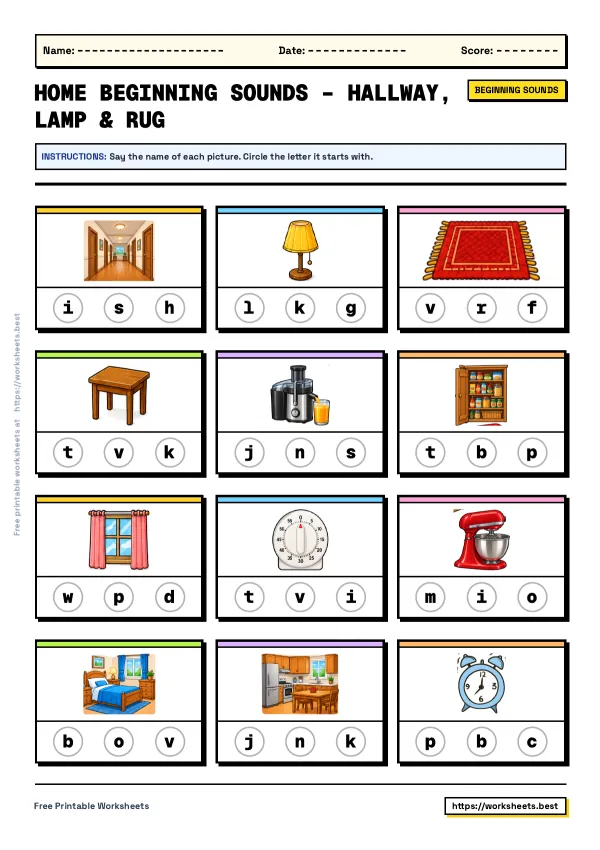
Home Beginning Sounds – Hallway, Lamp & Rug
Pre-K–KLetter Sounds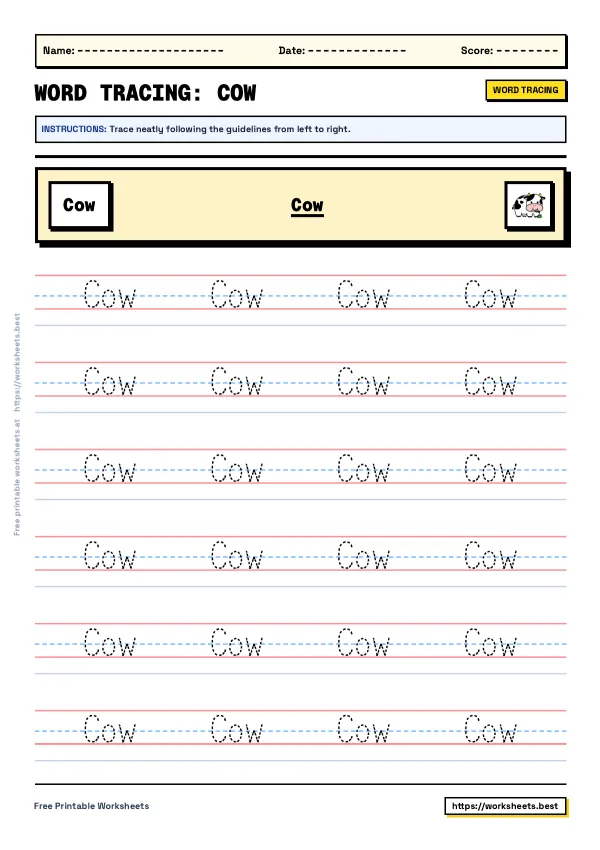
Word Tracing: Cow
Pre-KTracing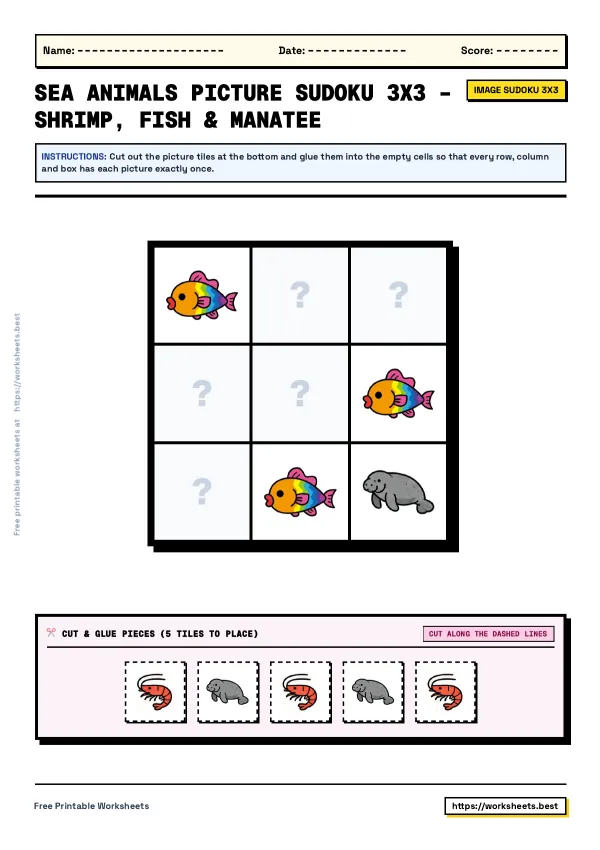
Sea Animals Picture Sudoku 3x3 – Shrimp, Fish & Manatee
Pre-K–KPicture Sudoku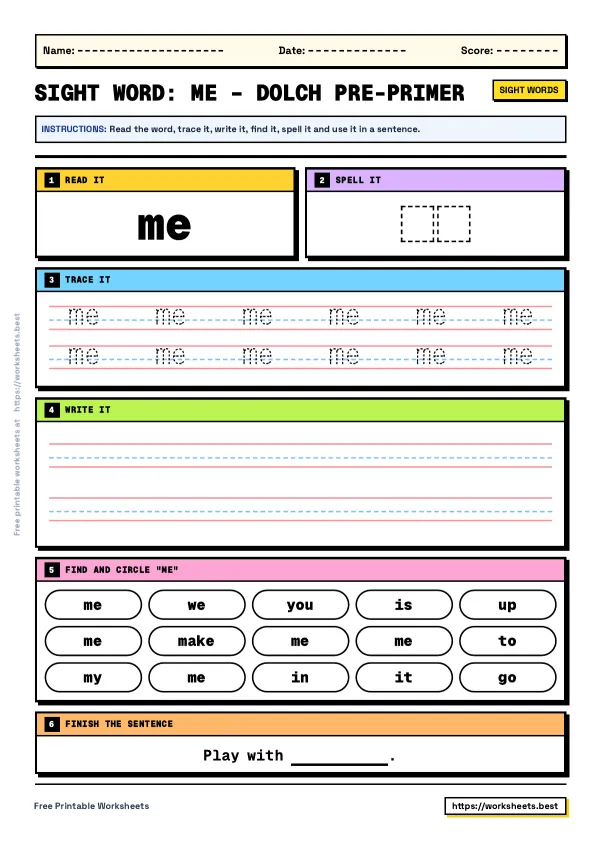
Sight Word: Me – Dolch Pre-Primer
Pre-K–KSight Words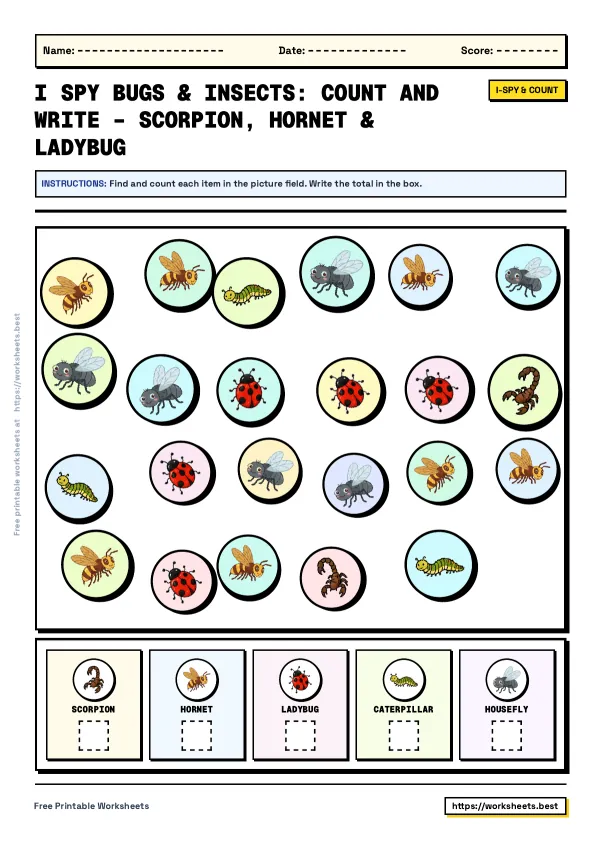
I Spy Bugs & Insects: Count and Write – Scorpion, Hornet & Ladybug
Pre-K–KI Spy Counting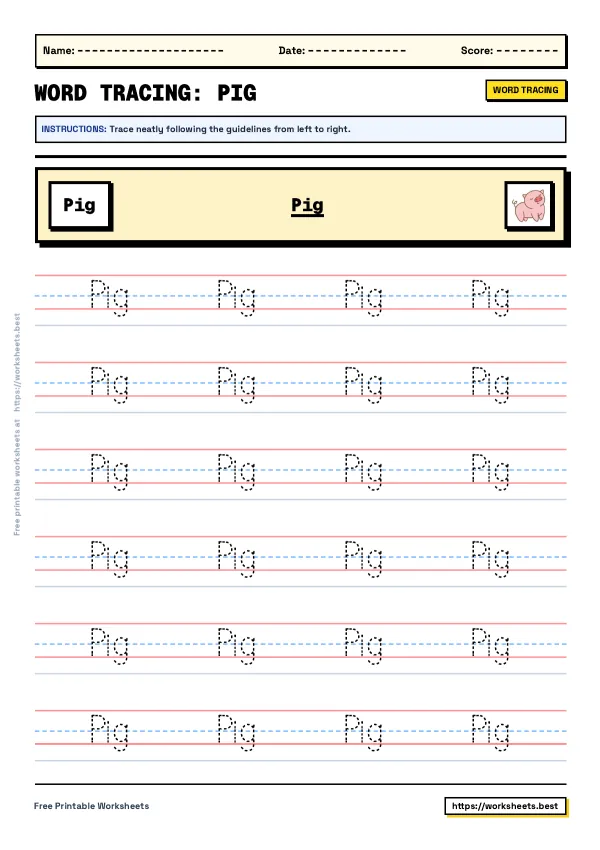
Word Tracing: Pig
Pre-KTracing
dig deeper
More Pre-K worksheets
from teachers
Tips for parents and teachers
- Start with a finger trace before a pencil. Have your child follow the letter or number shape with an index finger, then repeat with a crayon so the motion feels familiar before handwriting practice begins.
- Keep counting pages short and spoken. Ask your child to touch each picture and say the number aloud, then write the matching numeral in the box.
- Use mazes as pencil-control practice, not a race. Let your child pause at dead ends, turn the paper slightly and plan the next line before drawing.
- Read sight words aloud together and hunt for them in print. Point to a sight word on the page, say it, and ask your child to find it again in a favorite book.
Questions parents ask
What skills do Pre-K worksheets build?
They support fine motor skills, handwriting, counting, number writing, letter sounds, sight words, visual discrimination and problem solving. Short tracing, maze and I Spy counting pages give children repeated practice without long sitting times.
How long should a preschooler spend on a worksheet?
A few minutes is usually enough at this age. Try one short page, such as a letter tracing sheet or a simple maze, then stop while your child still feels successful.
Are letter tracing worksheets helpful before kindergarten?
Yes. Tracing uppercase and lowercase letters helps children learn letter shapes and build the hand control they need for handwriting. Pair tracing with saying the letter sound aloud for extra practice.
How can I use sight word worksheets at home?
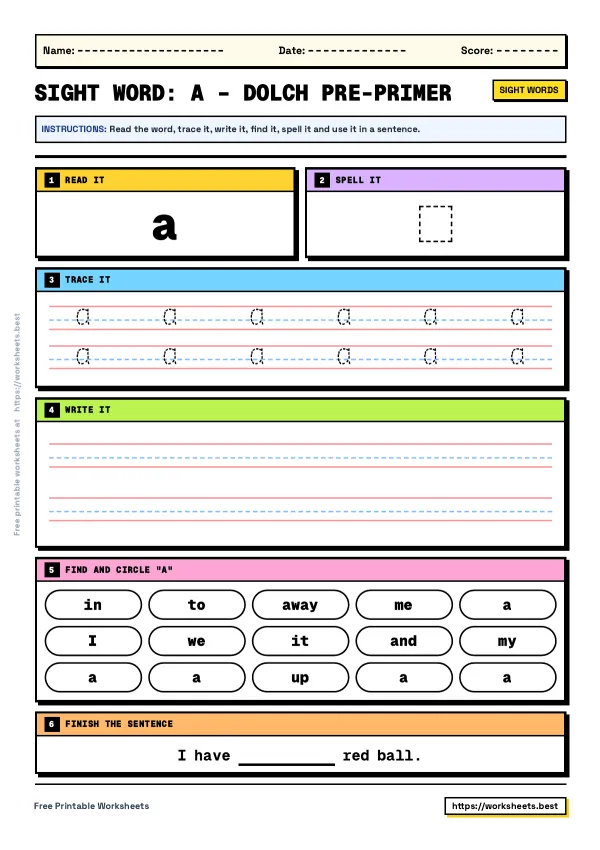
Read the word aloud first, then have your child trace or circle it. Keep the list short and review a few words often rather than all at once.
Do Pre-K worksheets cover early learning standards?
Some pages support early Common Core skills, such as K.CC.B.5 for counting and RF.K.1.D for recognizing letters. Check the skill on each page and choose the ones that match what your child is learning.