Pre-K Logic Puzzle Worksheets
A maze, a picture sudoku grid, or a row of pictures with one odd item can give a preschooler a challenge. Pre-K Logic Puzzle Worksheets offer these three formats in dozens of printables, all at an easy level. Children practice fine motor skills, problem solving, visual planning, reasoning, logic, classification, and vocabulary as they trace paths, place pictures, and choose what does not belong. Themes start with sea animals and farm animals, followed by fruits and holiday or festival pictures. Other sets cover body parts, clothes, school, and shapes, with seasonal puzzles for Christmas, Thanksgiving, winter, and Halloween.
Read more +
For example, an easy farm maze asks a child to connect a cat to a goose, while a 3x3 animal picture sudoku uses a turtle, a reindeer, and a koala. Mazes encourage hand control and looking ahead, picture sudoku introduces simple grids and matching, and odd-one-out rows build classification and word learning. Every puzzle is designed for Pre-K, so the directions and pictures stay simple enough for young learners to try with a little help.
Use these sheets at home for a quiet break, a travel folder, or a morning routine. In class, print a few for centers, small groups, or early finishers. Answer keys are included for all puzzles, so an adult can check work quickly or let children compare their choices. Print only the pages you need, and let children use crayons, markers, or their fingers to trace and point. The sorting and naming practice supports early language work.
start with these
Featured worksheets
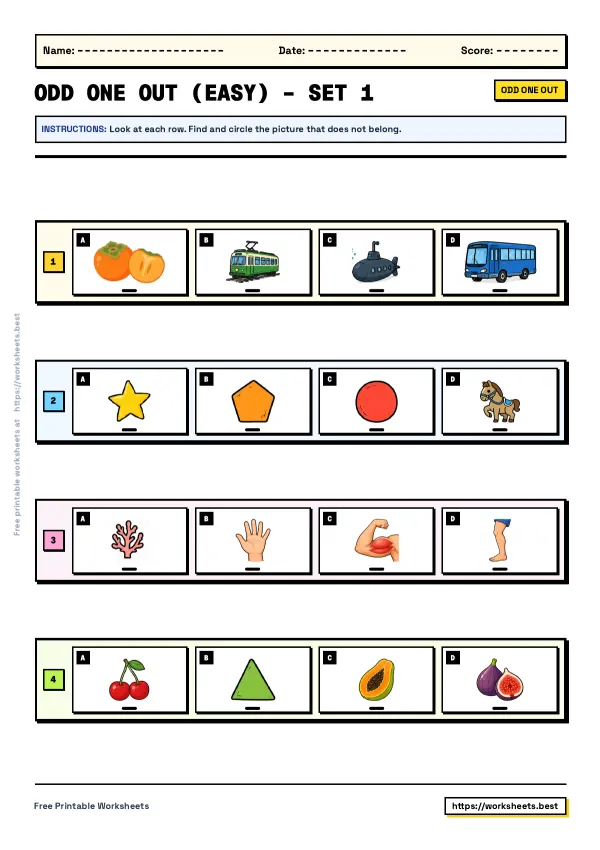
Odd One Out (Easy) – Set 1
Pre-K–KOdd One Out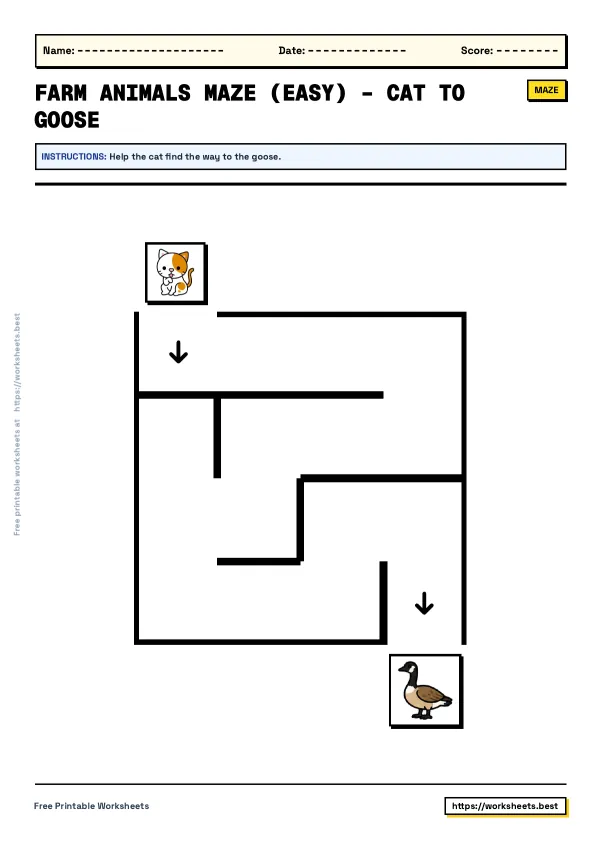
Farm Animals Maze (Easy) – Cat to Goose
Pre-KMazes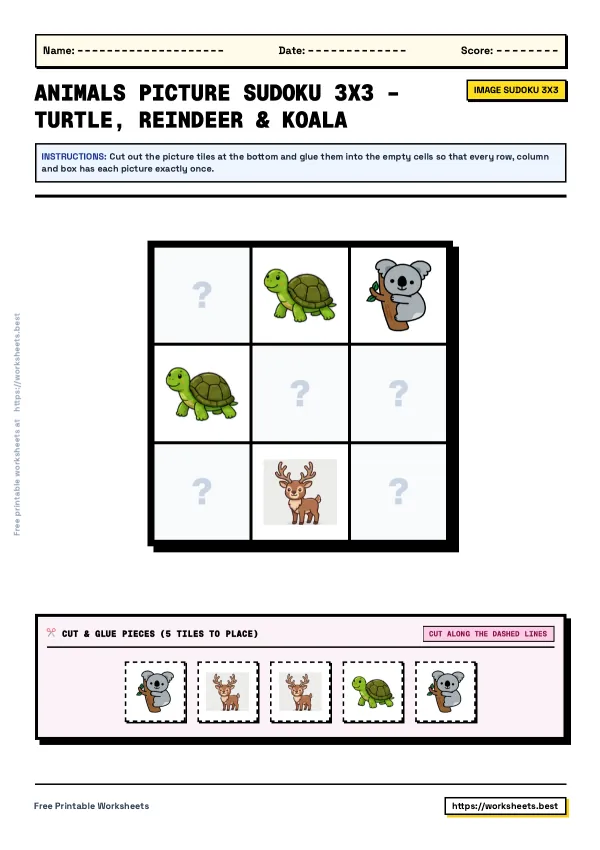
Animals Picture Sudoku 3x3 – Turtle, Reindeer & Koala
Pre-K–KPicture Sudoku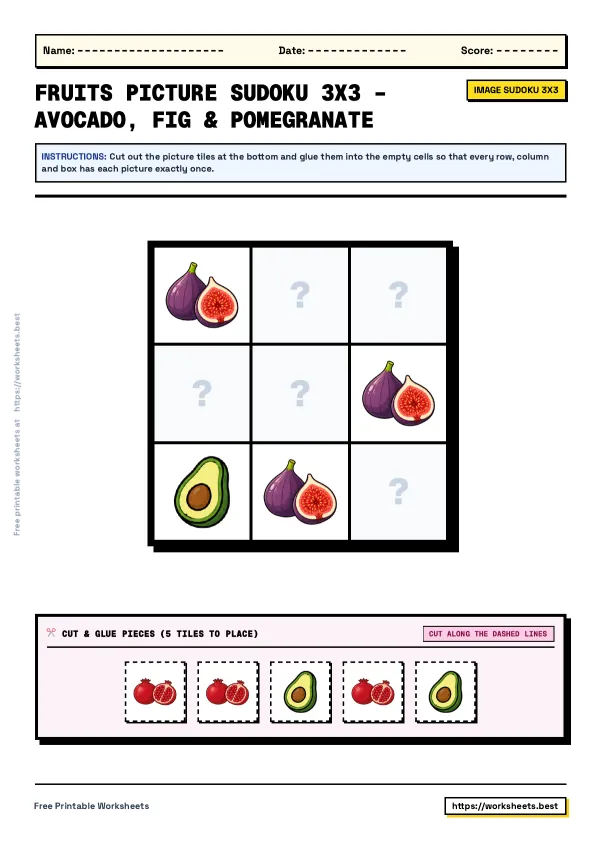
Fruits Picture Sudoku 3x3 – Avocado, Fig & Pomegranate
Pre-K–KPicture Sudoku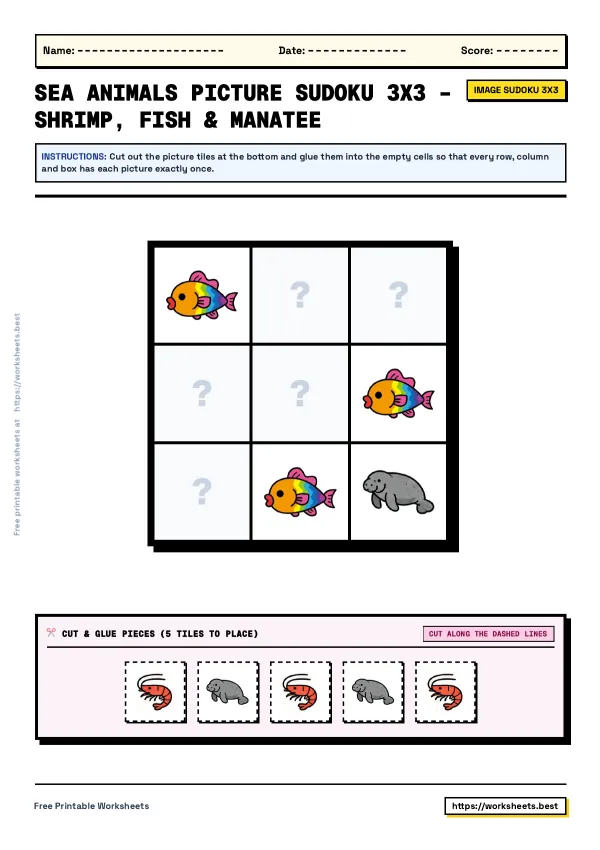
Sea Animals Picture Sudoku 3x3 – Shrimp, Fish & Manatee
Pre-K–KPicture Sudoku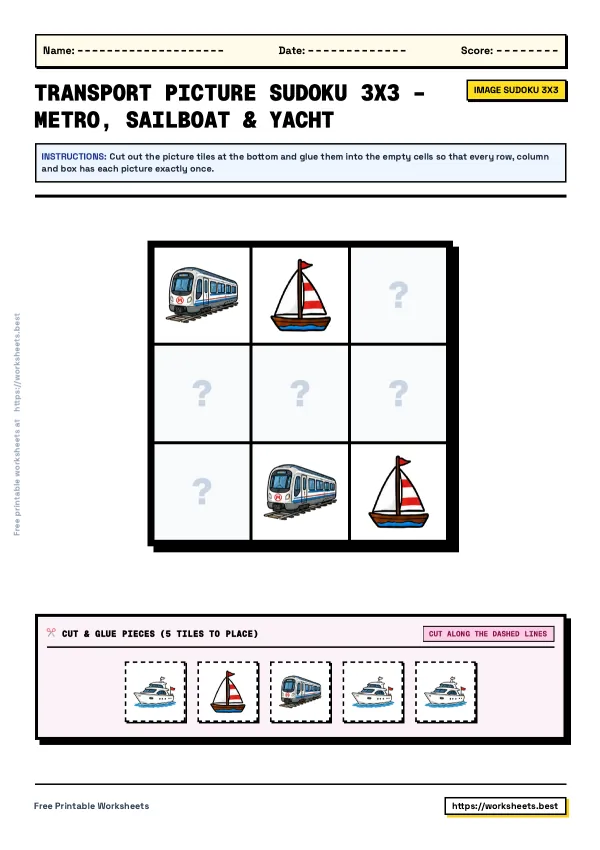
Transport Picture Sudoku 3x3 – Metro, Sailboat & Yacht
Pre-K–KPicture Sudoku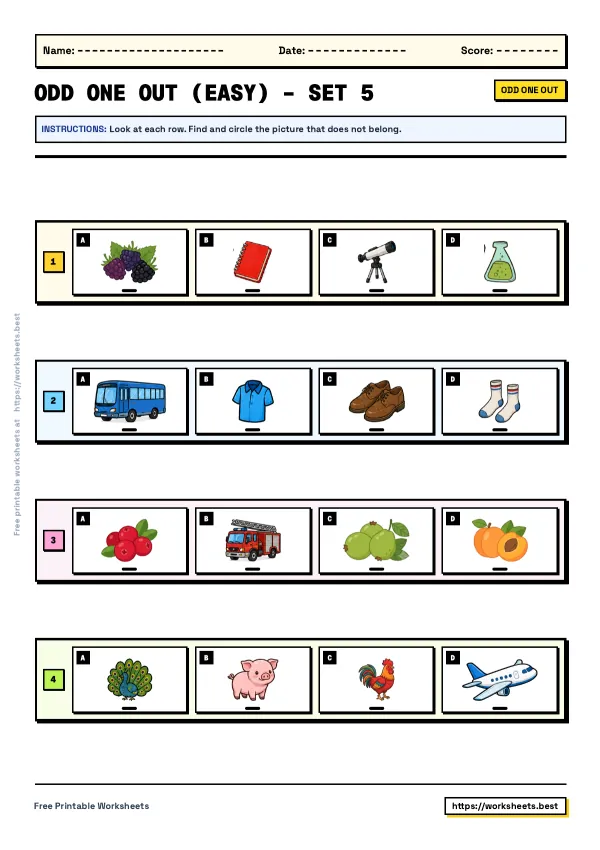
Odd One Out (Easy) – Set 5
Pre-K–KOdd One Out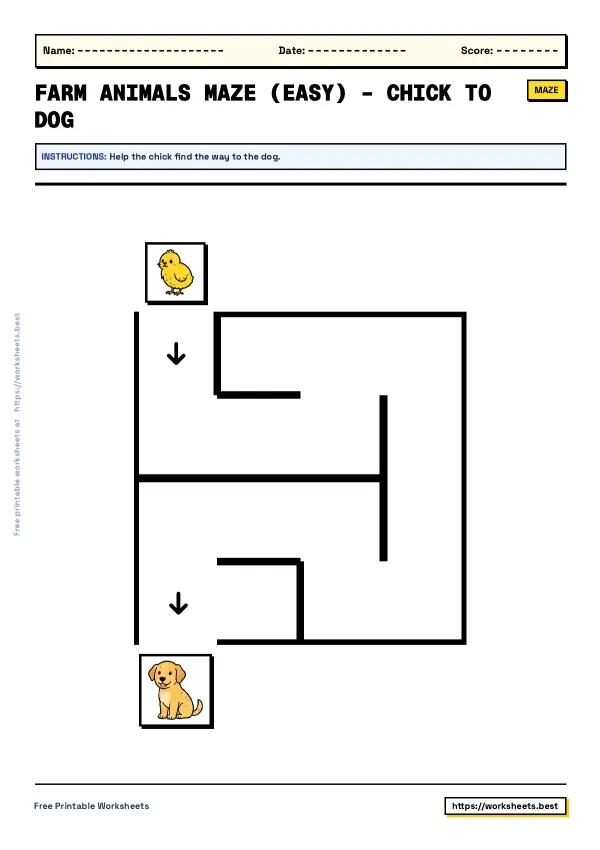
Farm Animals Maze (Easy) – Chick to Dog
Pre-KMazes
every sheet
All Pre-K Logic Puzzle worksheets
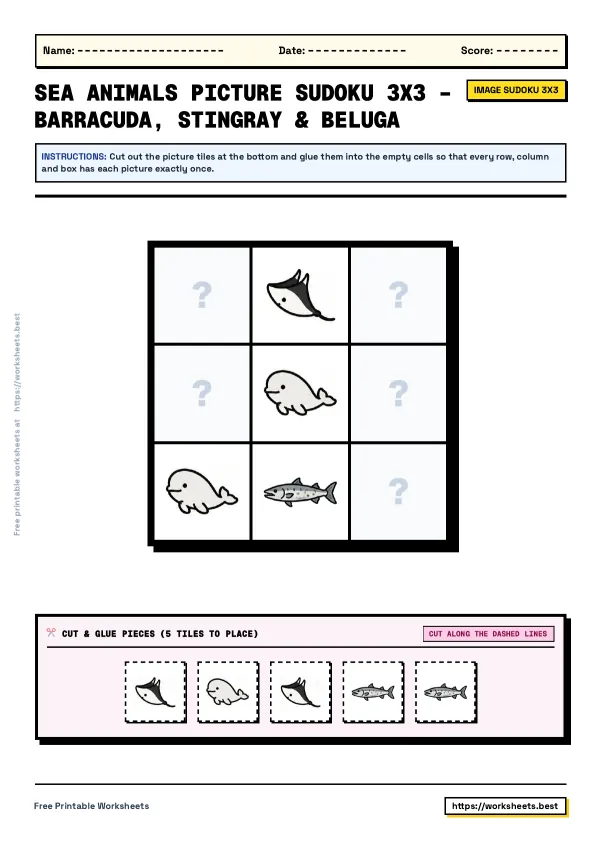
Sea Animals Picture Sudoku 3x3 – Barracuda, Stingray & Beluga
Pre-K–KPicture SudokuFarm Animals Maze (Easy) – Chick to Dog
Pre-KMazes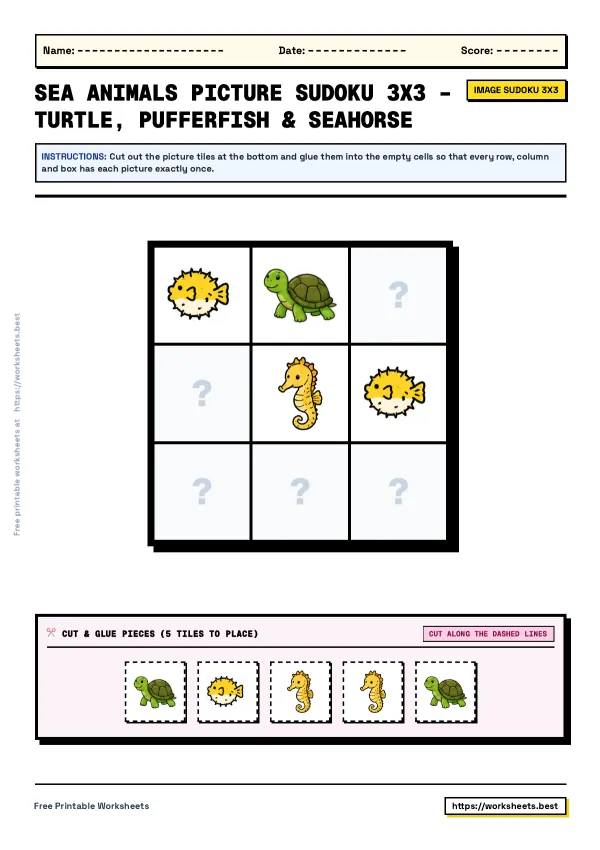
Sea Animals Picture Sudoku 3x3 – Turtle, Pufferfish & Seahorse
Pre-K–KPicture Sudoku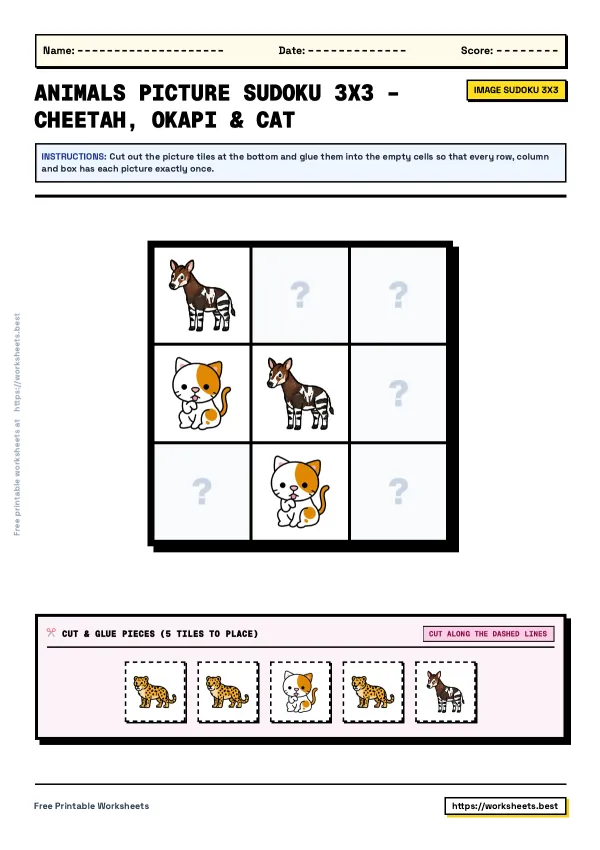
Animals Picture Sudoku 3x3 – Cheetah, Okapi & Cat
Pre-K–KPicture Sudoku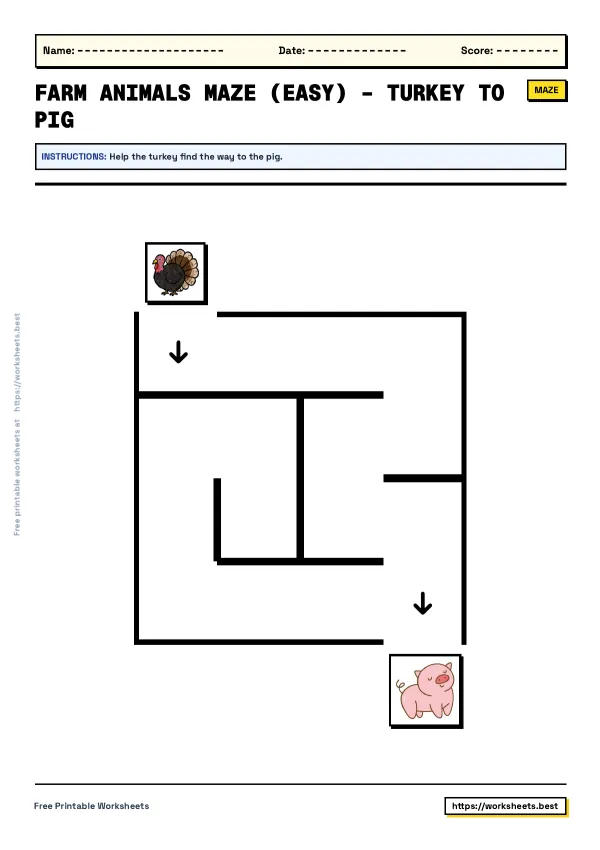
Farm Animals Maze (Easy) – Turkey to Pig
Pre-KMazes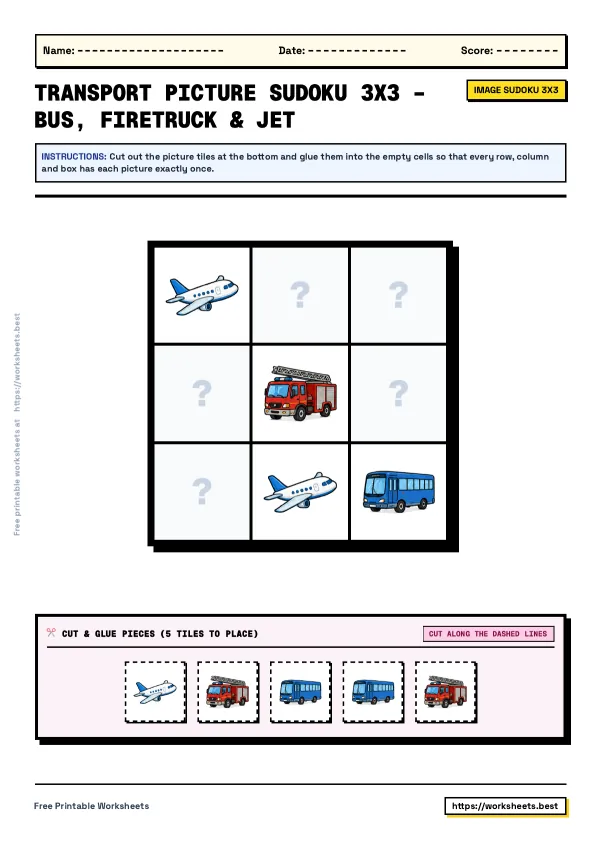
Transport Picture Sudoku 3x3 – Bus, Firetruck & Jet
Pre-K–KPicture Sudoku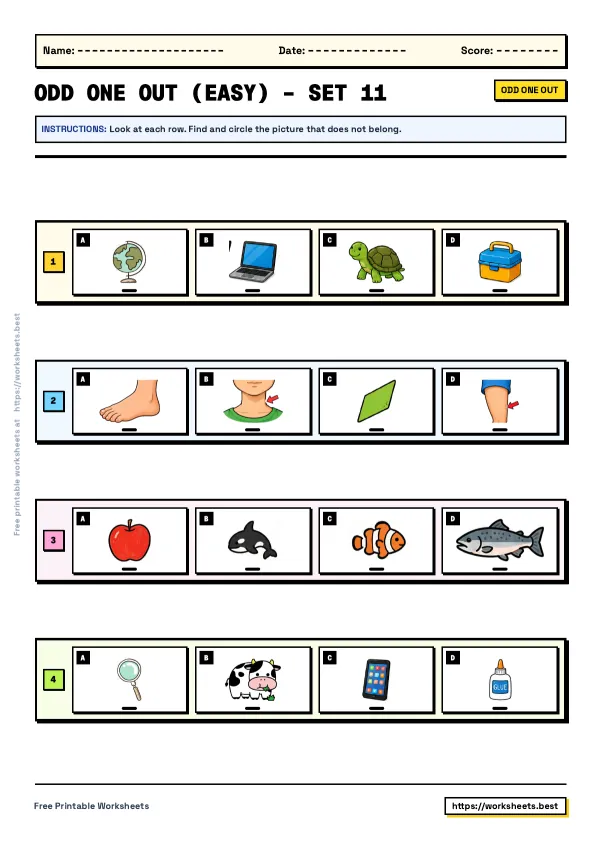
Odd One Out (Easy) – Set 11
Pre-K–KOdd One OutAnimals Picture Sudoku 3x3 – Turtle, Reindeer & Koala
Pre-K–KPicture SudokuFarm Animals Maze (Easy) – Cat to Goose
Pre-KMazes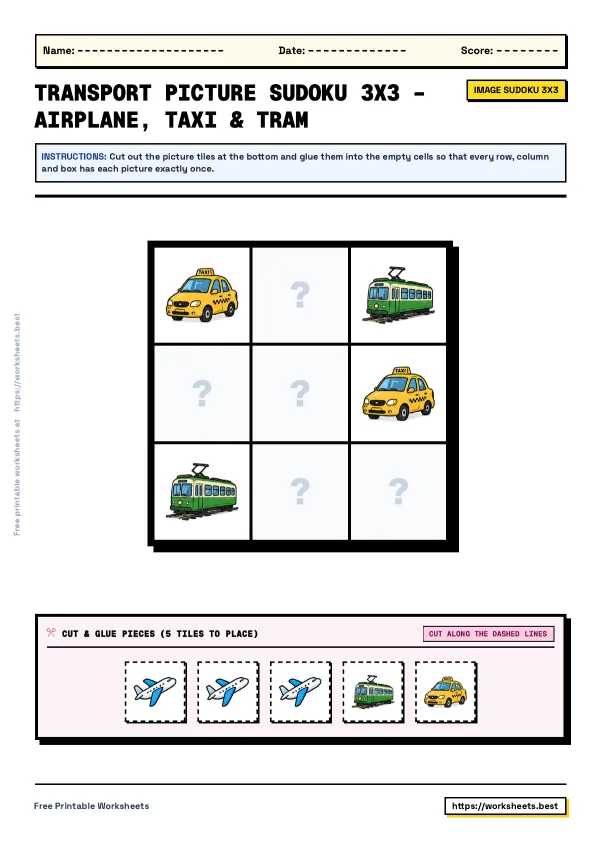
Transport Picture Sudoku 3x3 – Airplane, Taxi & Tram
Pre-K–KPicture SudokuSea Animals Picture Sudoku 3x3 – Shrimp, Fish & Manatee
Pre-K–KPicture Sudoku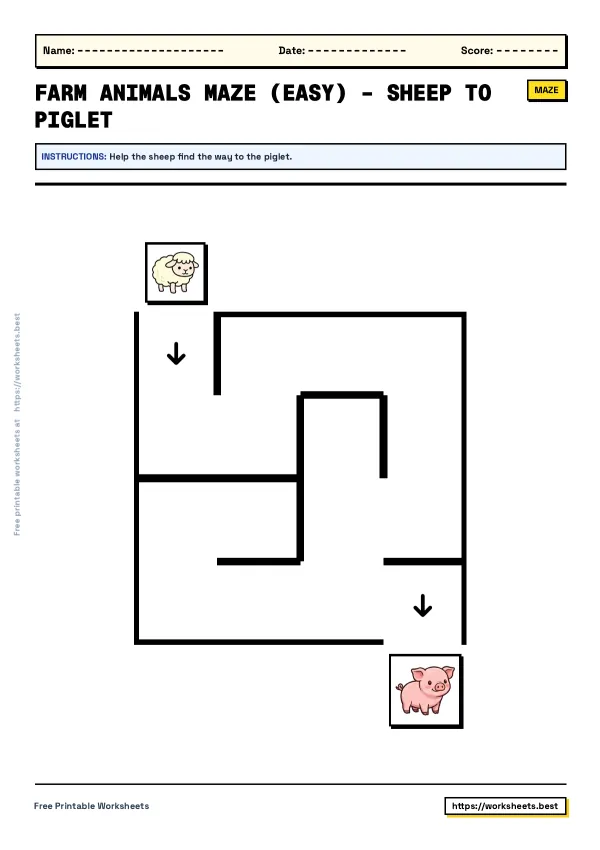
Farm Animals Maze (Easy) – Sheep to Piglet
Pre-KMazes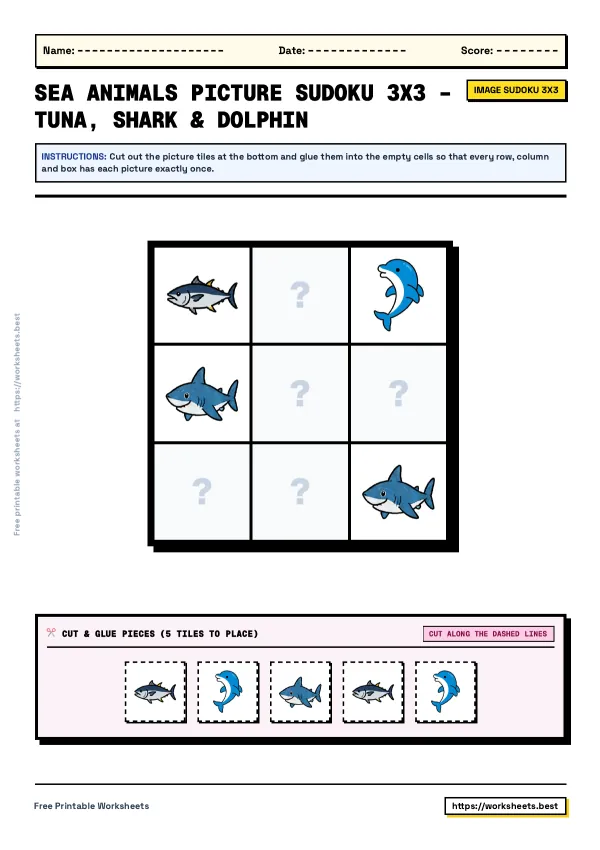
Sea Animals Picture Sudoku 3x3 – Tuna, Shark & Dolphin
Pre-K–KPicture Sudoku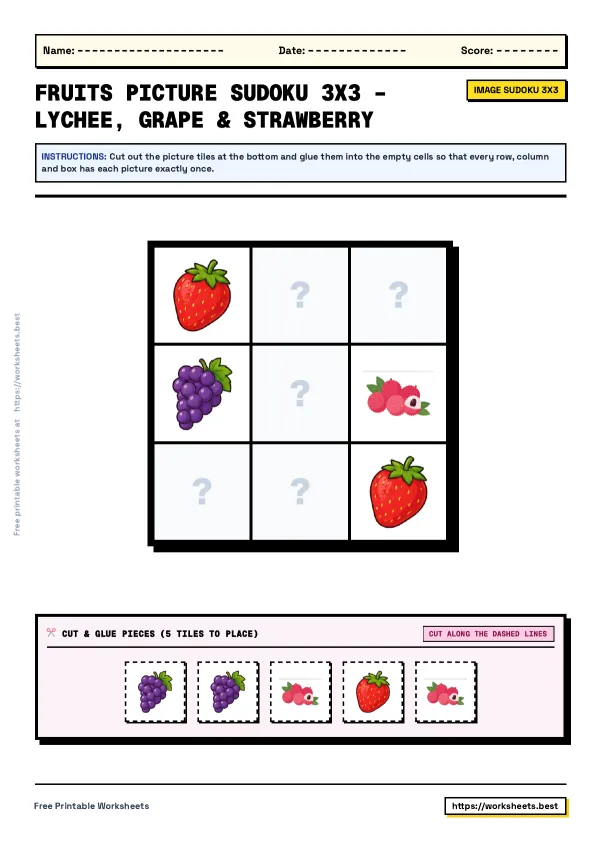
Fruits Picture Sudoku 3x3 – Lychee, Grape & Strawberry
Pre-K–KPicture Sudoku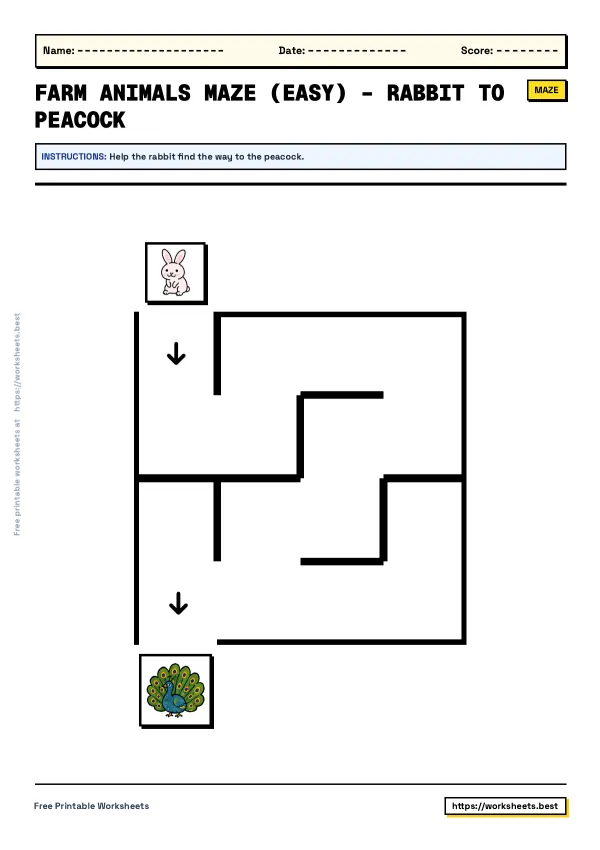
Farm Animals Maze (Easy) – Rabbit to Peacock
Pre-KMazes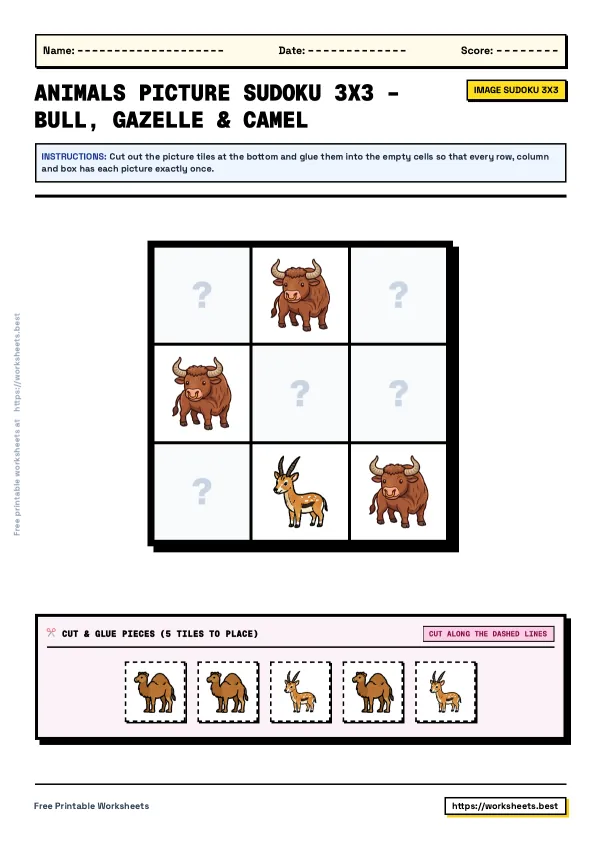
Animals Picture Sudoku 3x3 – Bull, Gazelle & Camel
Pre-K–KPicture SudokuOdd One Out (Easy) – Set 1
Pre-K–KOdd One Out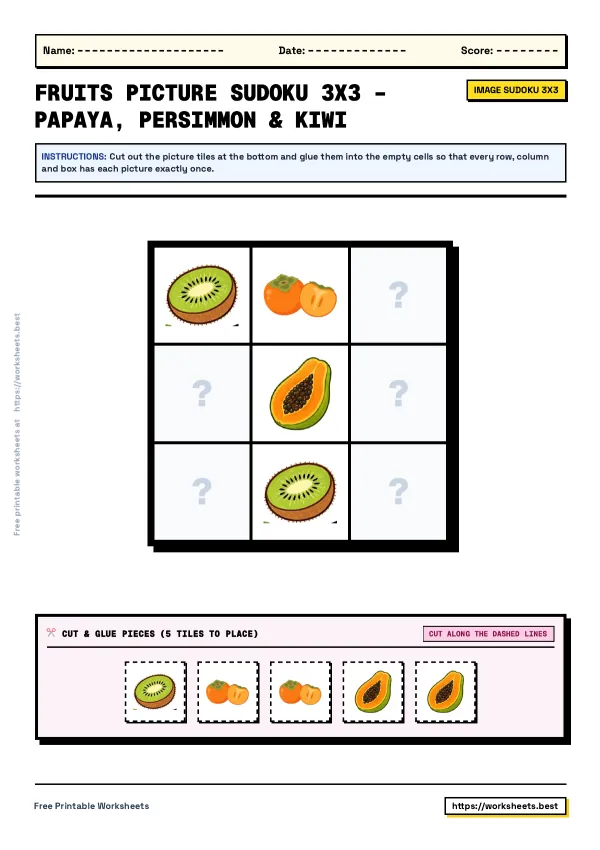
Fruits Picture Sudoku 3x3 – Papaya, Persimmon & Kiwi
Pre-K–KPicture Sudoku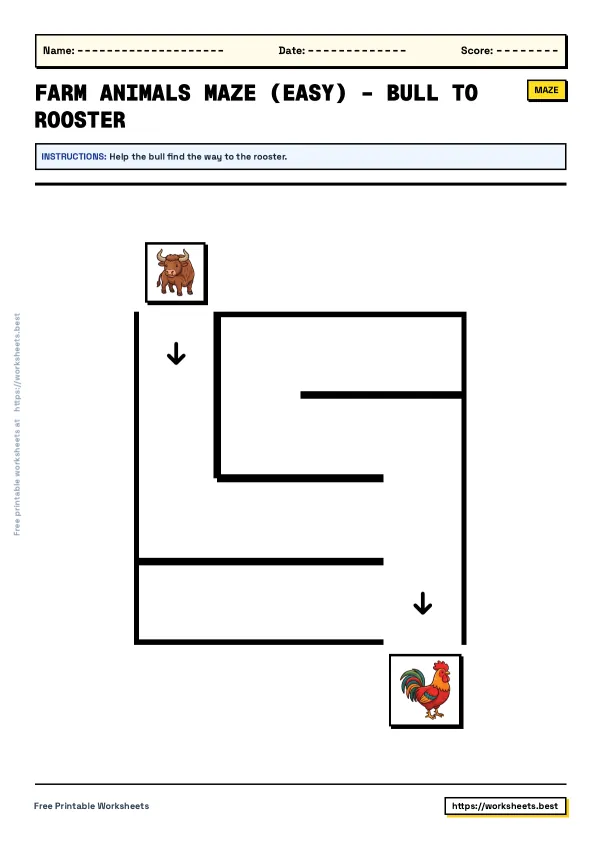
Farm Animals Maze (Easy) – Bull to Rooster
Pre-KMazes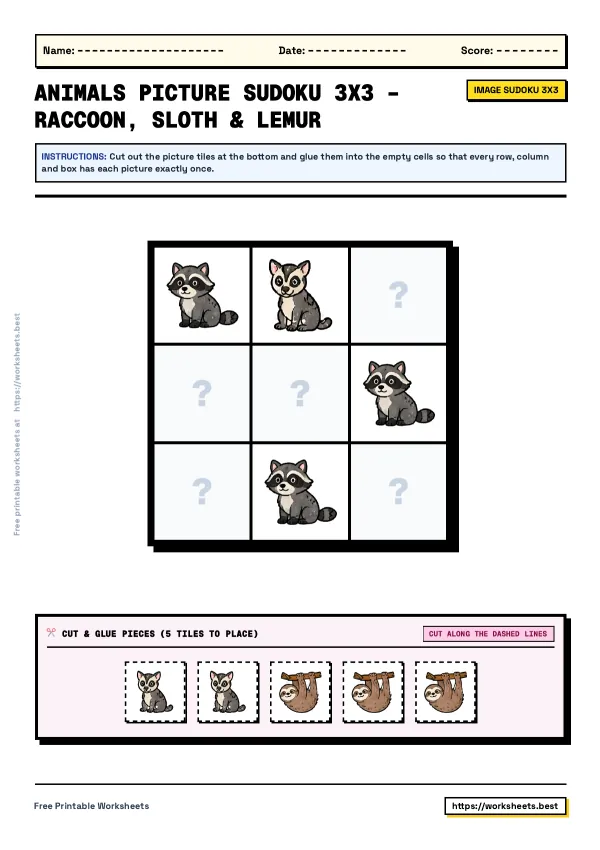
Animals Picture Sudoku 3x3 – Raccoon, Sloth & Lemur
Pre-K–KPicture SudokuFruits Picture Sudoku 3x3 – Avocado, Fig & Pomegranate
Pre-K–KPicture Sudoku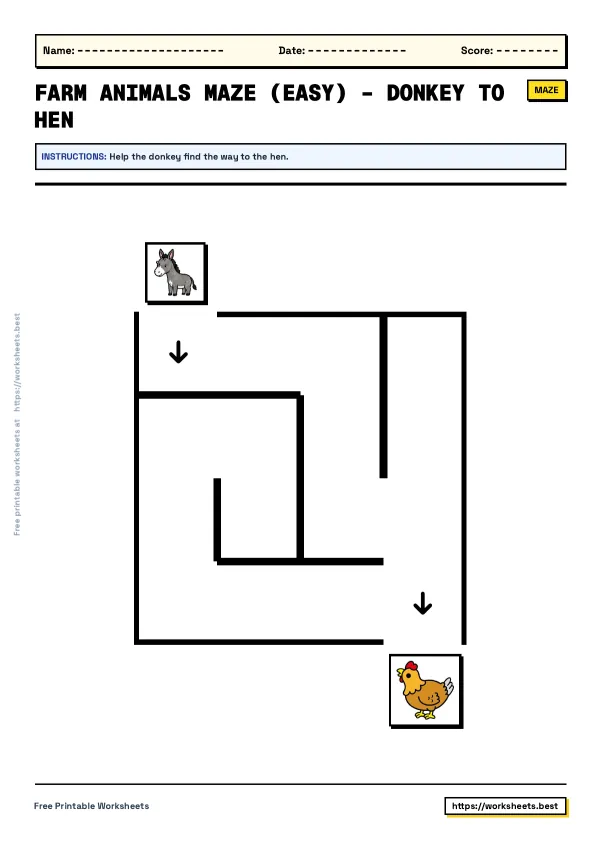
Farm Animals Maze (Easy) – Donkey to Hen
Pre-KMazes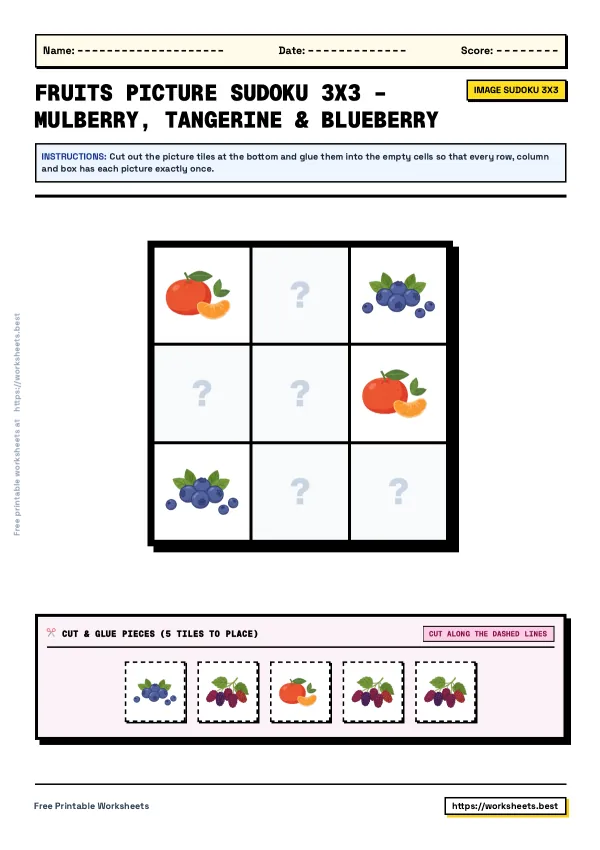
Fruits Picture Sudoku 3x3 – Mulberry, Tangerine & Blueberry
Pre-K–KPicture Sudoku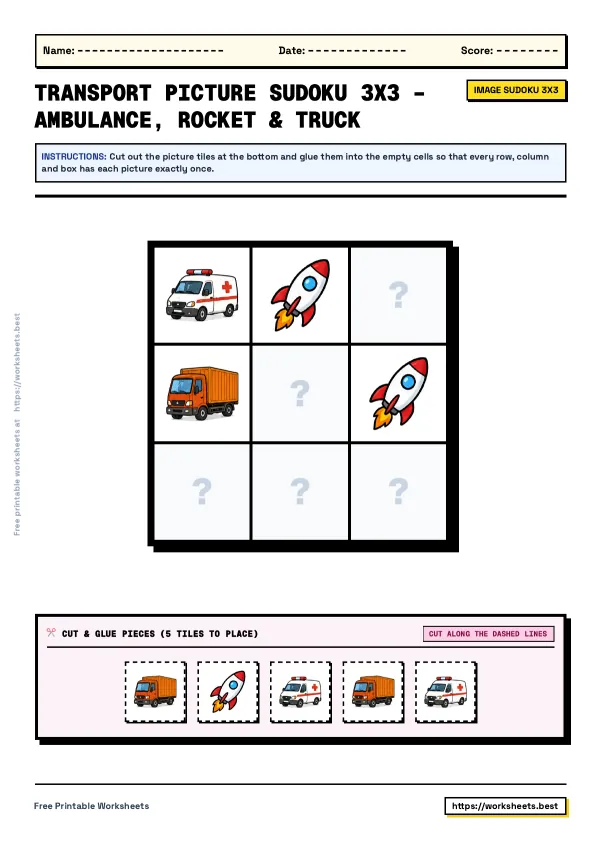
Transport Picture Sudoku 3x3 – Ambulance, Rocket & Truck
Pre-K–KPicture Sudoku
dig deeper
More Pre-K Logic Puzzle worksheets
from teachers
Tips for parents and teachers
- Start with a maze and let your child trace the path with a finger before using a crayon. This builds fine motor control and helps them plan the route without the pressure of marking the page.
- For picture sudoku, name each picture out loud as your child places it. That turns grid matching into vocabulary practice and supports reasoning about what goes where.
- In odd-one-out rows, ask why the chosen picture does not belong. Preschoolers may notice color, shape, category, or use, and explaining their thinking strengthens classification.
- Keep sessions short and stop before frustration. A few easy puzzles at a time works better than a long stack, especially when children are still learning to sit and focus.
Questions parents ask
What ages are these Pre-K logic puzzles for?
They are made for children in Pre-K, the year before kindergarten. The easy level suits preschoolers who are ready to trace, match, and talk about pictures.
What kinds of puzzles are included?
The main formats are mazes, picture sudoku, and odd-one-out activities. Themes include sea animals, farm animals, fruits, holidays, body parts, clothes, school, and shapes.
How can I use these at home or in a classroom?
Print one or two pages for a quiet activity, a center, or a small group. Let children trace with a finger first, then use a crayon or marker.
Are these worksheets aligned to standards?
They support early sorting and classifying practice, including Common Core L.K.5.A. The puzzles also build fine motor skills, problem solving, and vocabulary.