Letter Tracing Worksheets
A calm, hands-on way to build early writing skills begins with letter tracing worksheets. Across a set of alphabet pages, children trace each letter, then connect its shape to a simple picture word such as apple, bear, or cat. The tracing format asks them to follow guided strokes, which supports letter formation, letter recognition, and the fine motor control that handwriting depends on. Because the pages focus on one letter at a time, Pre-K and Kindergarten children can work at a steady pace without feeling rushed. They also align with early literacy goals such as L.K.1.A and RF.K.1.D.
Read more +
At home, a caregiver can sit beside a child, name the letter, and encourage slow tracing before trying a letter independently. In class, teachers can use the pages for morning work, small-group handwriting practice, or a quiet literacy center. The sheets suit children in Pre-K and Kindergarten who are learning to hold a pencil with more control and recognize letter shapes. Many pages can be printed as needed, so a child can repeat a favorite letter or move on to the next one. The goal is steady practice, not speed: short sessions with plenty of praise help children build confidence as they trace.
start with these
Featured worksheets
every sheet
All Letter Tracing worksheets
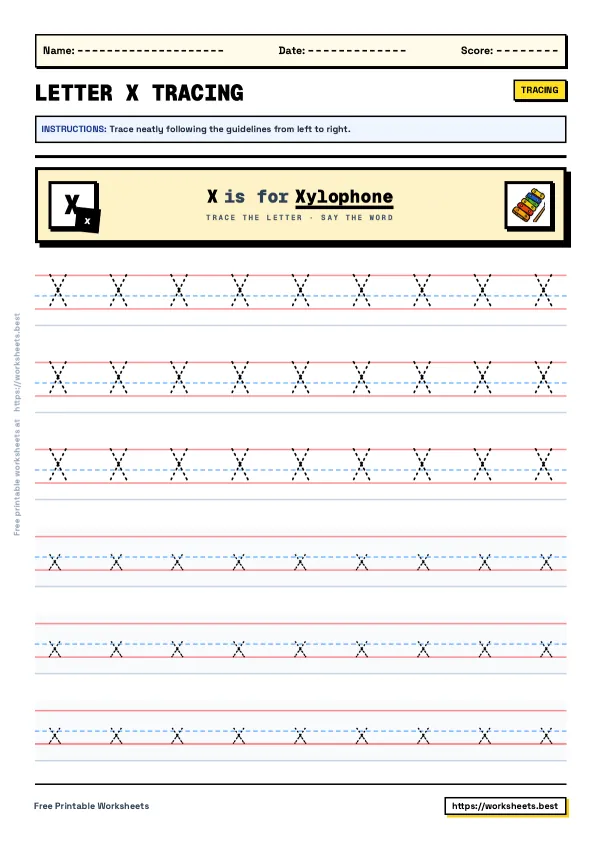
Letter X Tracing
Pre-K–KTracing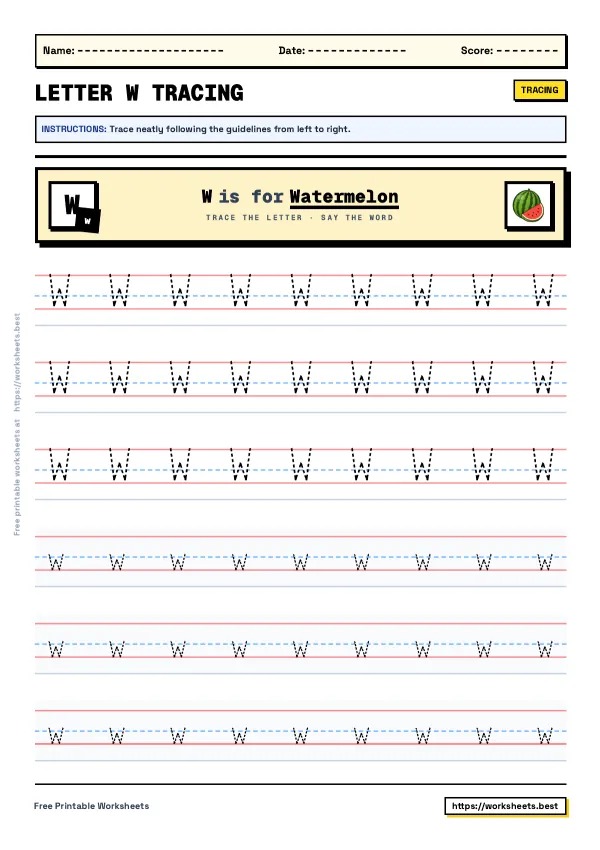
Letter W Tracing
Pre-K–KTracing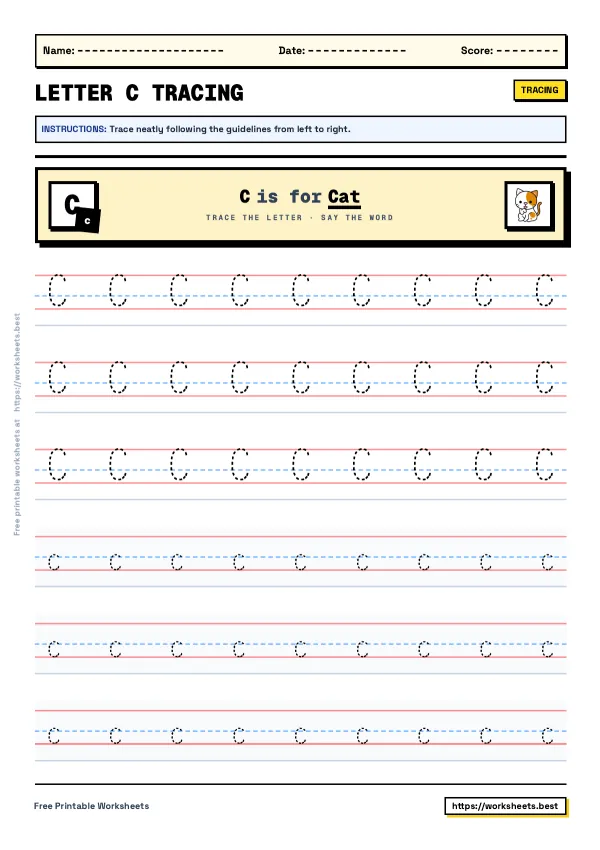
Letter C Tracing
Pre-K–KTracing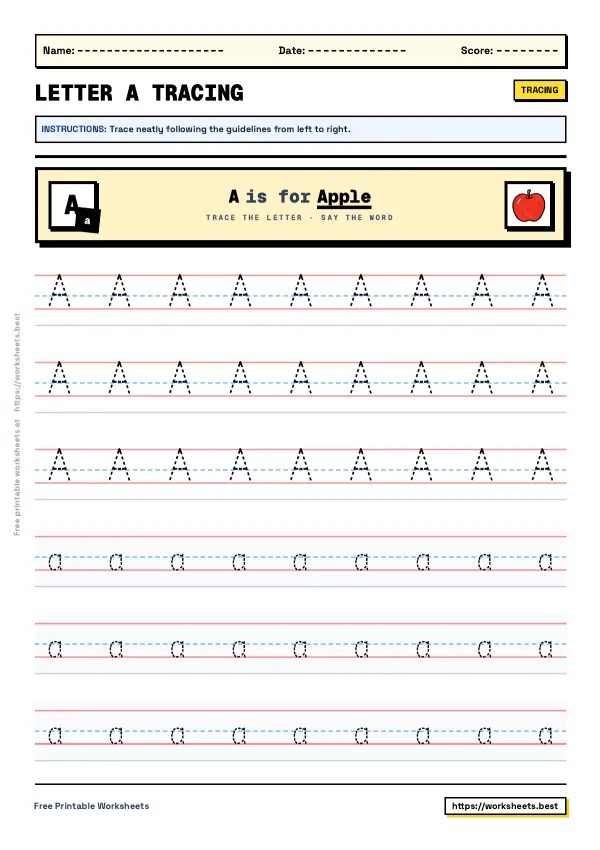
Letter A Tracing
Pre-K–KTracing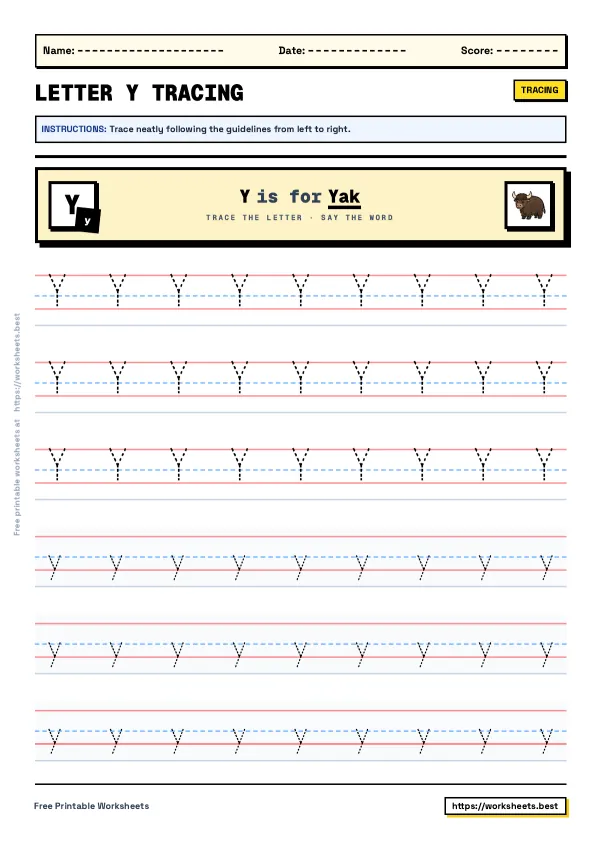
Letter Y Tracing
Pre-K–KTracing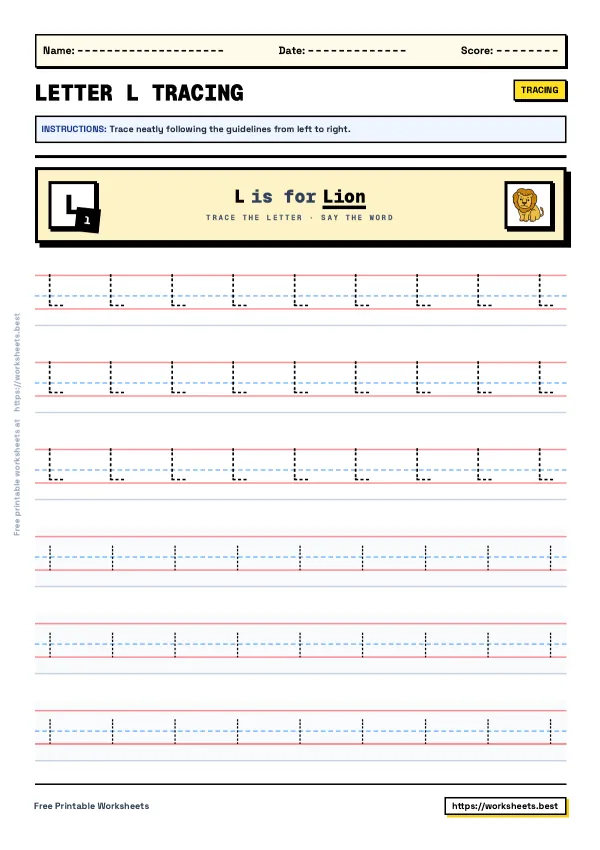
Letter L Tracing
Pre-K–KTracing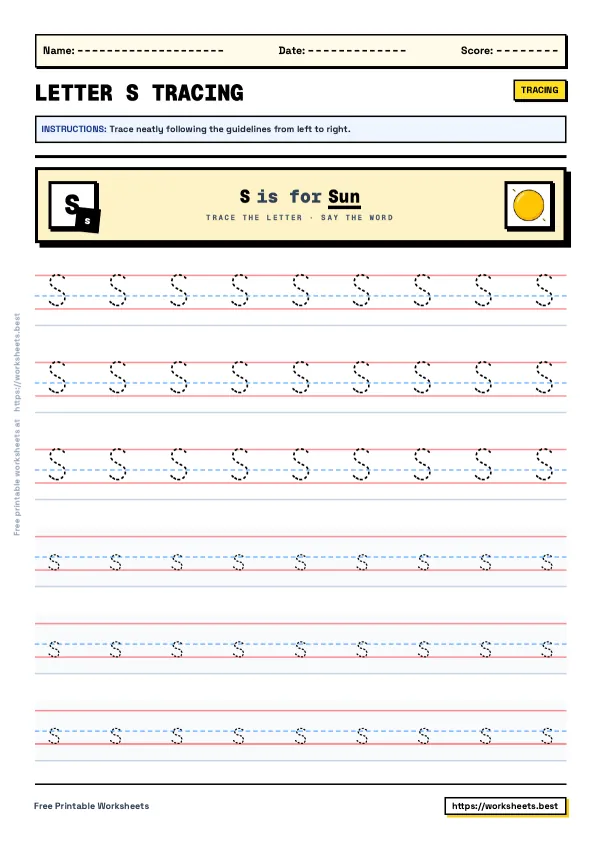
Letter S Tracing
Pre-K–KTracing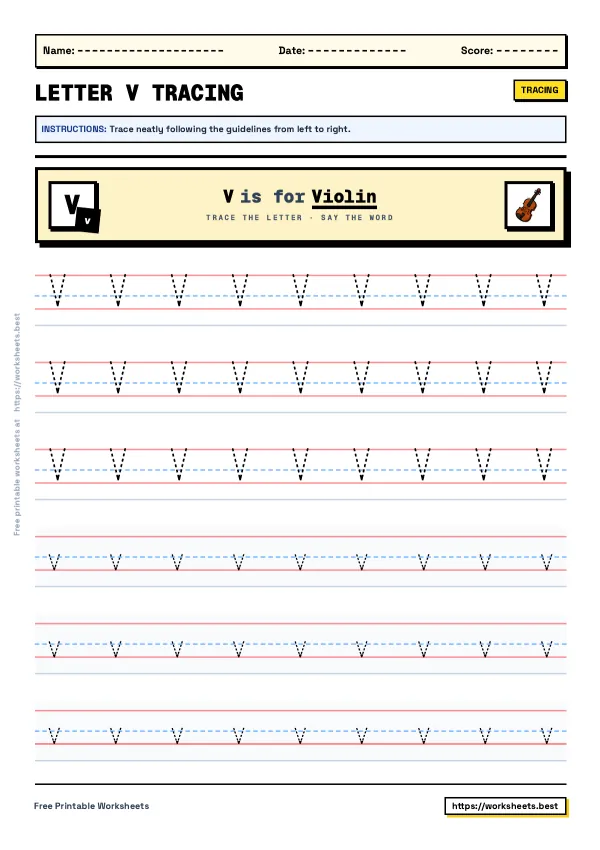
Letter V Tracing
Pre-K–KTracing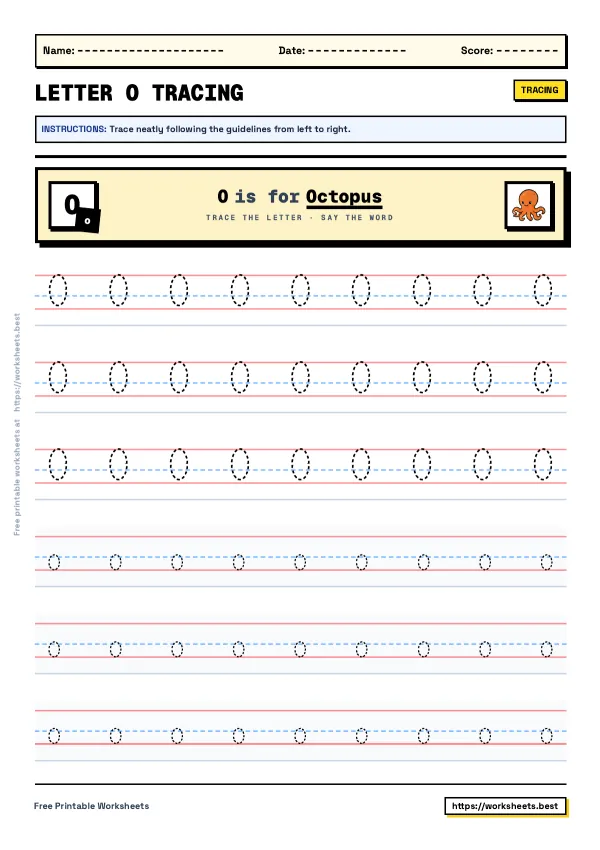
Letter O Tracing
Pre-K–KTracing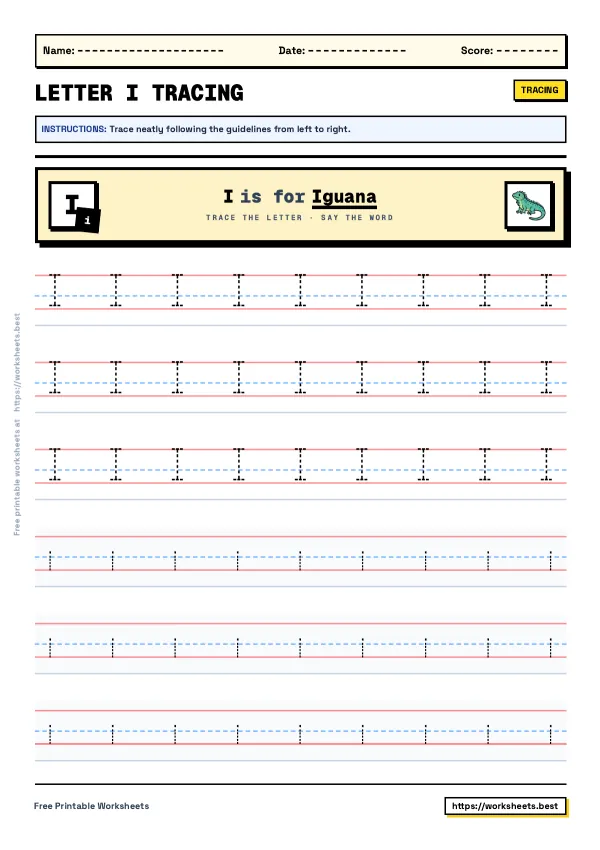
Letter I Tracing
Pre-K–KTracing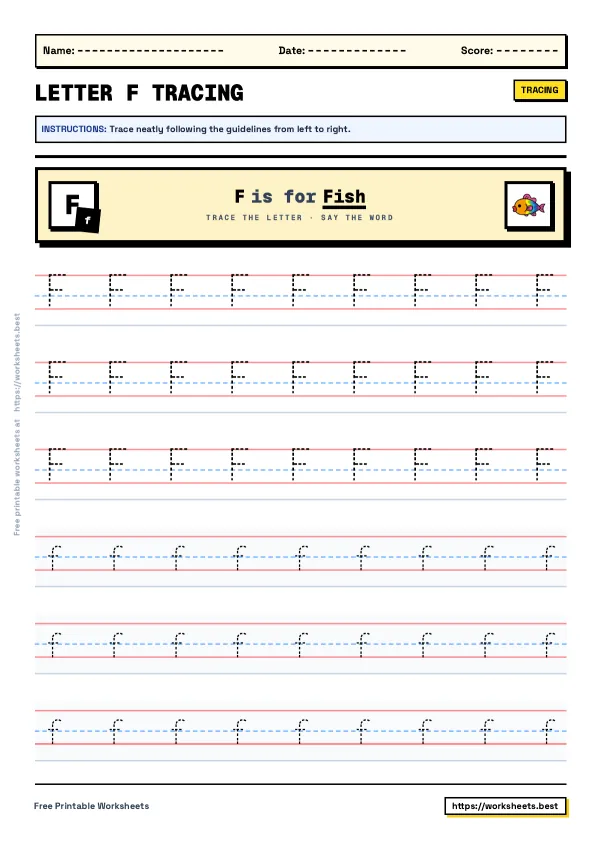
Letter F Tracing
Pre-K–KTracing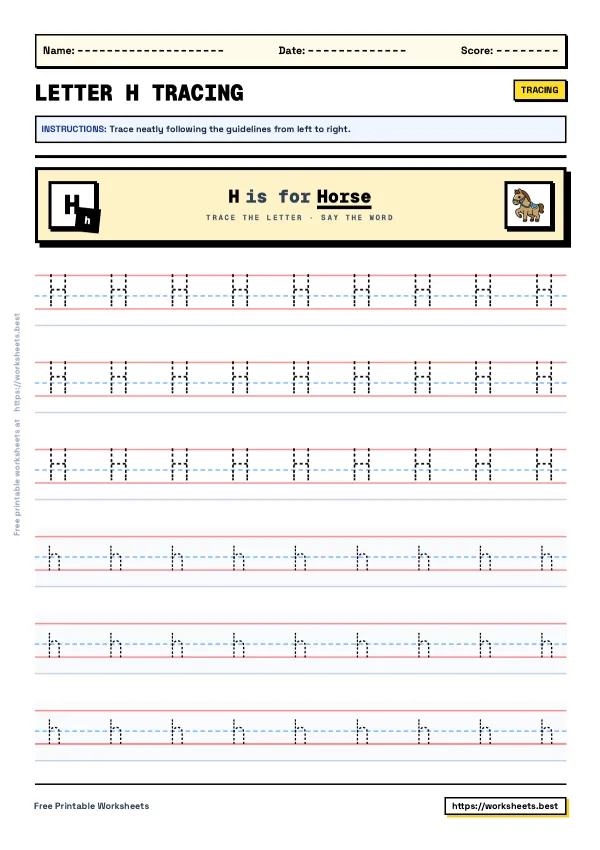
Letter H Tracing
Pre-K–KTracing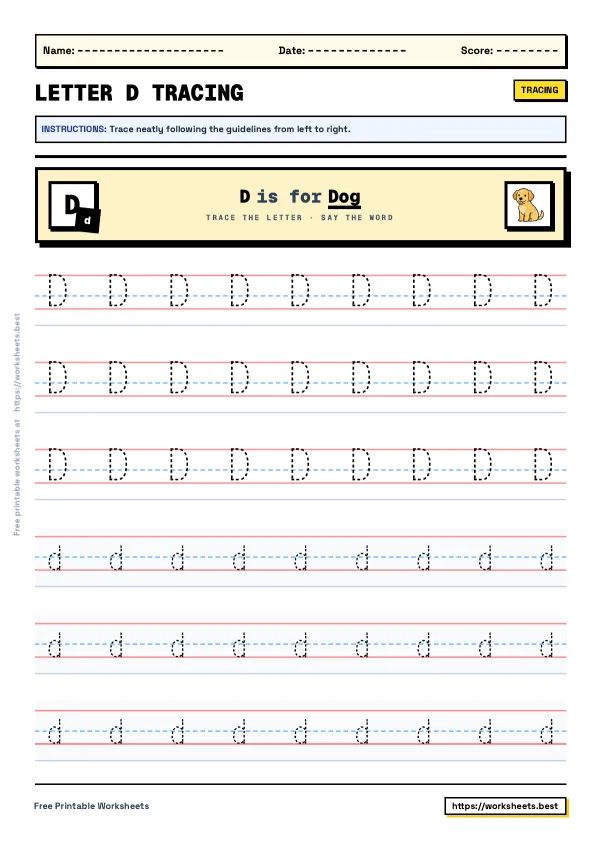
Letter D Tracing
Pre-K–KTracing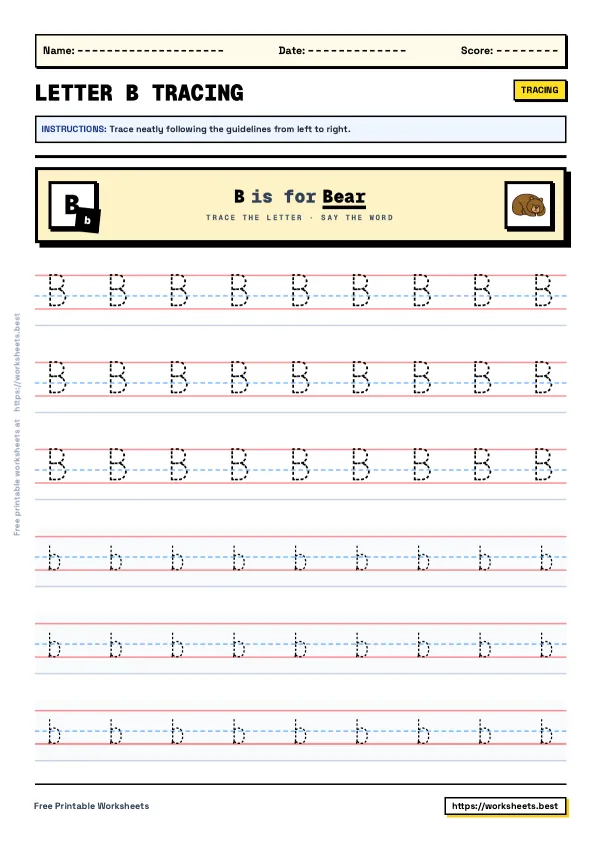
Letter B Tracing
Pre-K–KTracing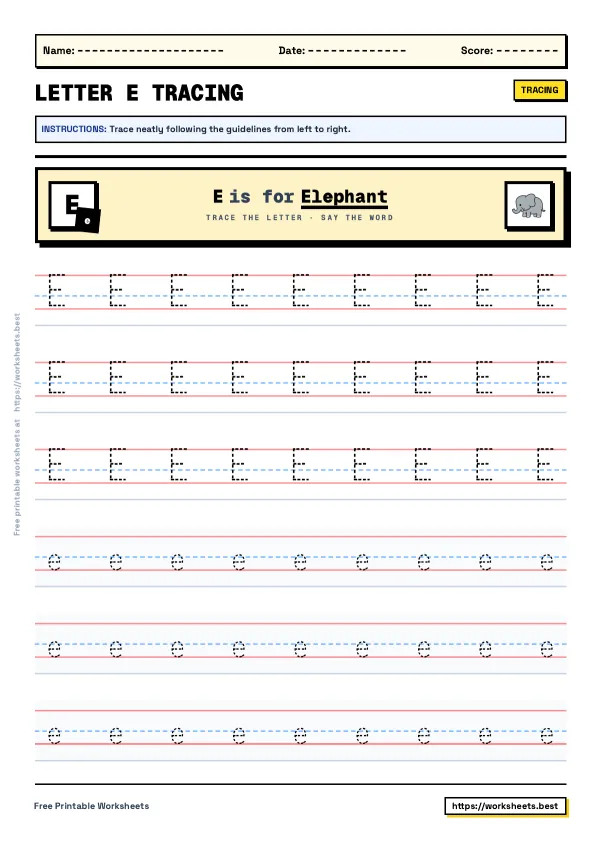
Letter E Tracing
Pre-K–KTracing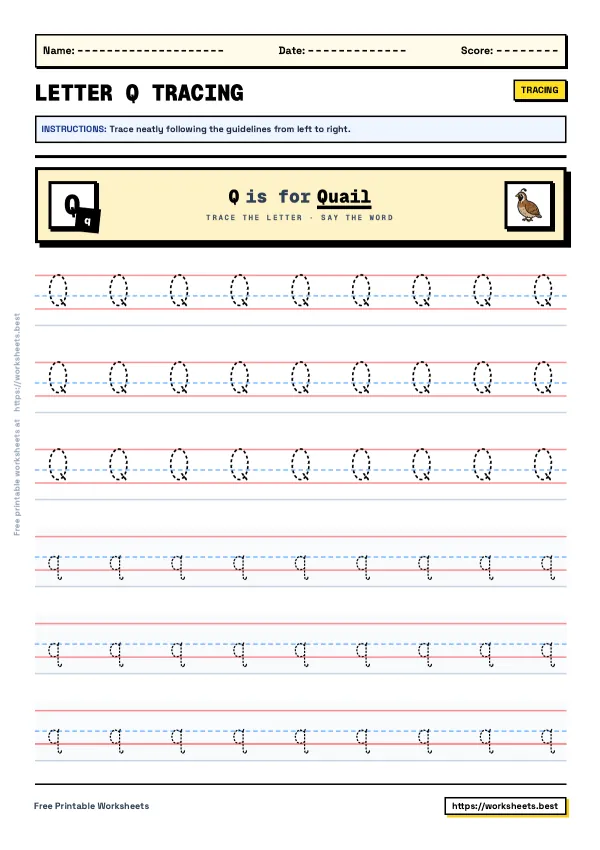
Letter Q Tracing
Pre-K–KTracing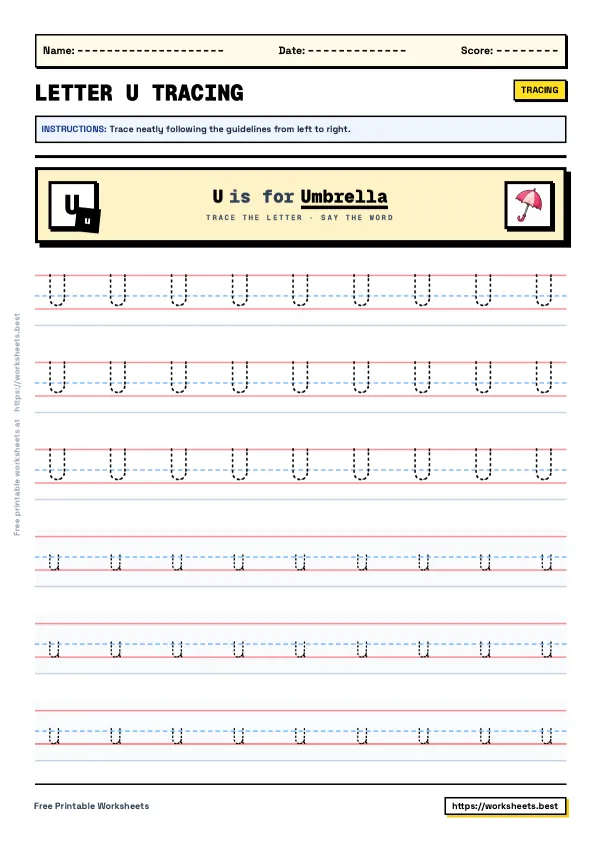
Letter U Tracing
Pre-K–KTracing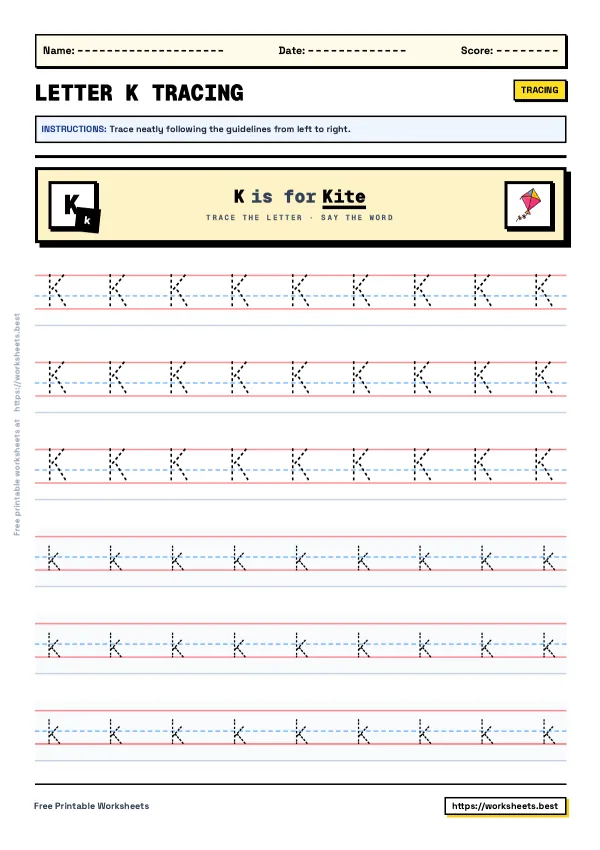
Letter K Tracing
Pre-K–KTracing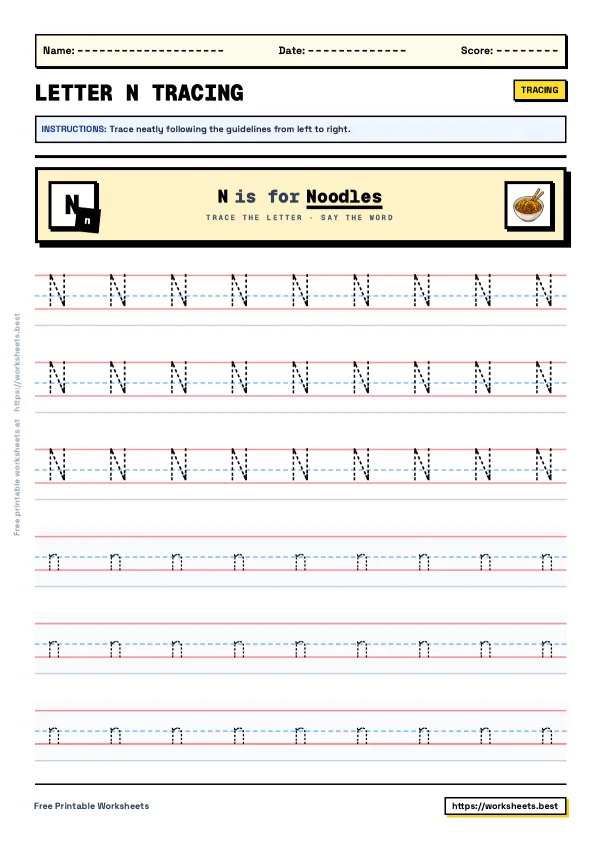
Letter N Tracing
Pre-K–KTracing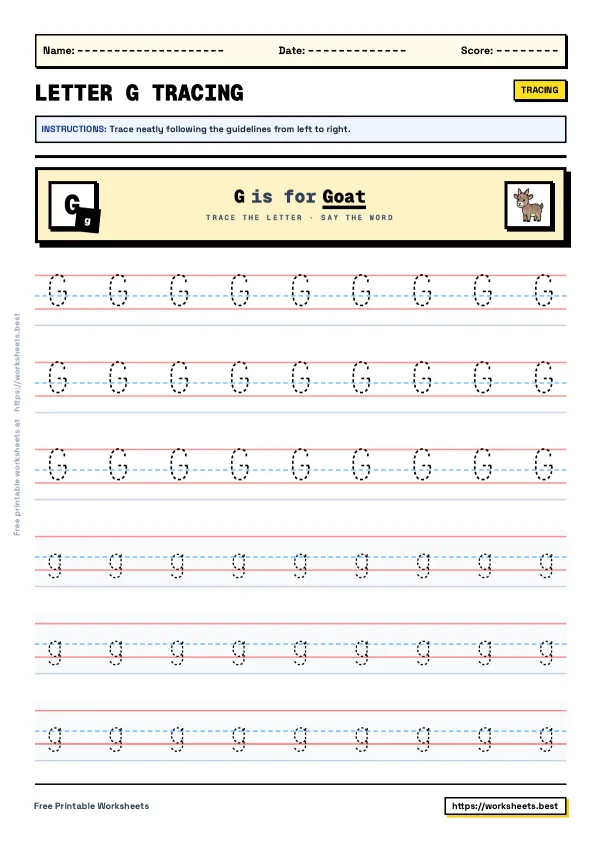
Letter G Tracing
Pre-K–KTracing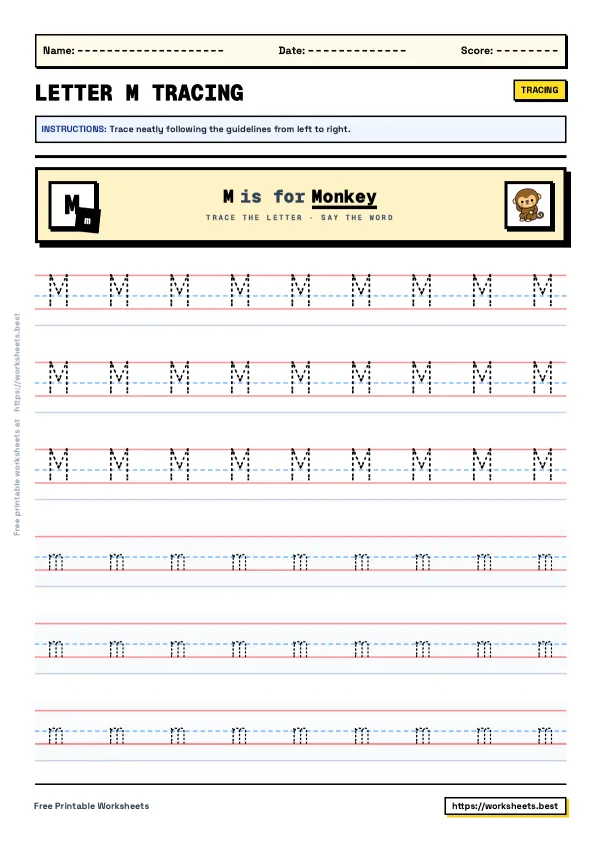
Letter M Tracing
Pre-K–KTracing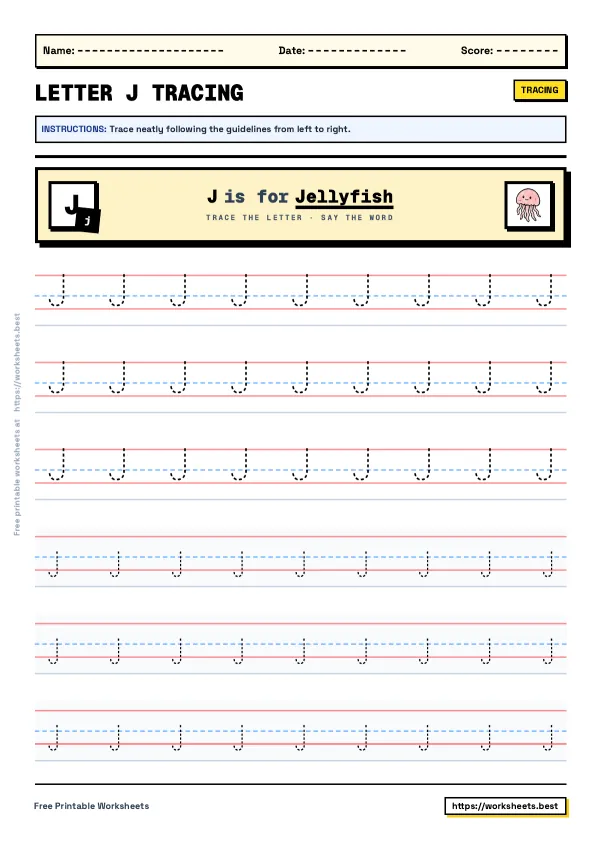
Letter J Tracing
Pre-K–KTracing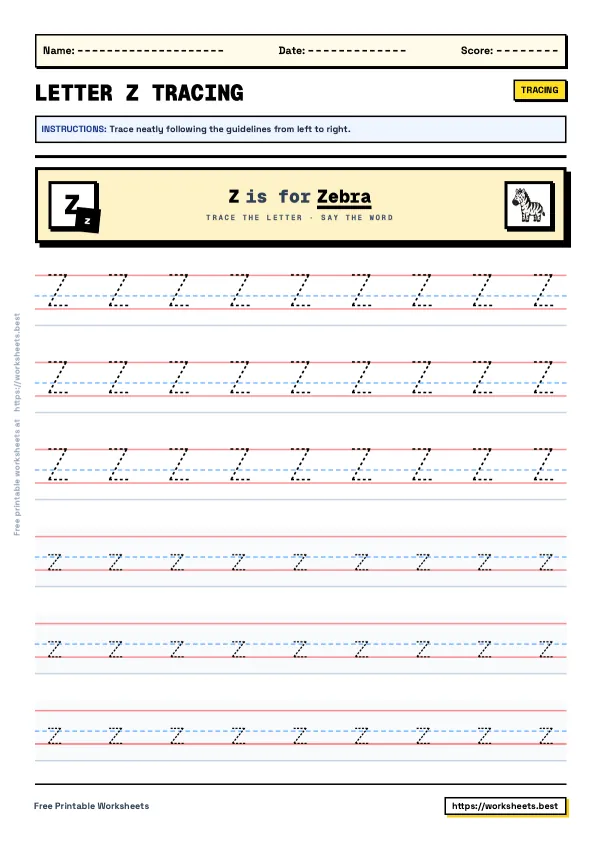
Letter Z Tracing
Pre-K–KTracing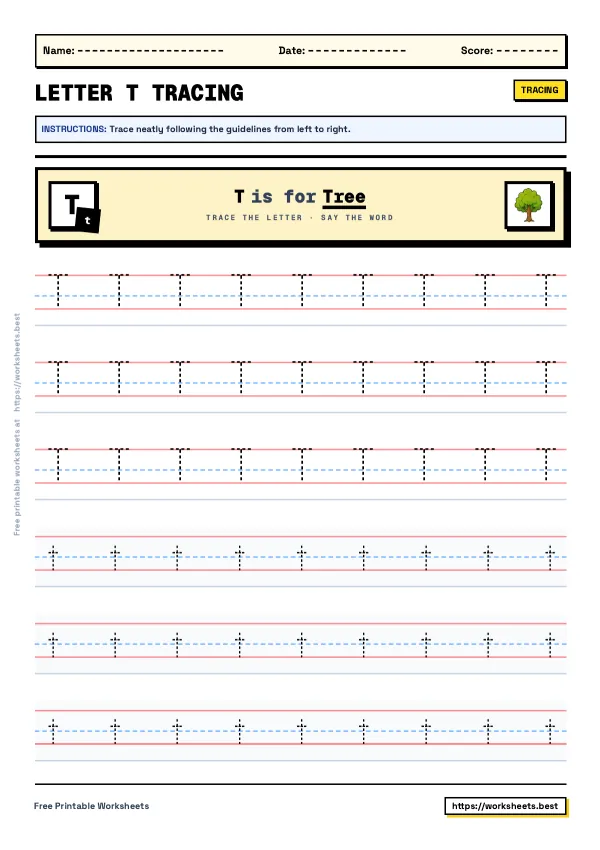
Letter T Tracing
Pre-K–KTracing
dig deeper
More Letter Tracing worksheets
By grade
from teachers
Tips for parents and teachers
- Start with large-motor tracing before pencil work: have the child trace the letter shape in the air or on a tray of sand, then move to the page.
- Name each letter aloud as the child traces it, and point out the picture word, so letter recognition and sound awareness grow alongside handwriting.
- Keep sessions short and stop while the child is still successful; a few letters with careful strokes teach more than a whole page done quickly.
- Watch for a comfortable grip and steady pressure, and offer a chunky pencil or crayon if small muscles tire.
Questions parents ask
What age should a child start letter tracing?
Most children are ready to begin around age four, when they can hold a crayon or pencil and follow a simple path. Pre-K and Kindergarten are the usual years for letter tracing, but a child who is not ready can practice shapes and lines first.
Should children trace uppercase or lowercase letters first?
Many handwriting programs begin with uppercase letters because they use simple straight lines and curves, then introduce lowercase forms. The order matters less than short, repeated practice with clear models.
How can letter tracing help with reading?
Tracing helps children notice a letter's shape and direction, which supports letter recognition. Pairing the trace with a picture word can also connect the letter to a familiar sound.
How long should a tracing session last for a preschooler?
Short sessions of five to ten minutes work well for preschoolers and kindergartners. Stop before the child tires, and praise careful strokes rather than speed.
What if my child struggles to hold a pencil?
Offer a chunky pencil, crayon, or broken chalk so small hands can grip more easily. If grip remains uncomfortable, build hand strength with playdough, tongs, or tearing paper before returning to tracing.