Pre-K Letter Tracing Worksheets
Tracing a letter slowly gives a young child a clear path to follow, and Pre-K Letter Tracing Worksheets turn that first step into regular practice with pencil and paper. Across dozens of worksheets, children practice fine motor skills, handwriting, letter formation and letter recognition. The alphabet tracing set introduces one letter at a time with a model to trace, then a short picture word such as apple, bear or cat, so children connect the shape of the letter to a sound and a familiar object. Short tracing lines and uncluttered layouts keep the focus on pencil control rather than on a busy page.
Read more +
Use the sheets for a few quiet minutes at home, or add them to a classroom writing center, small-group lesson or morning warm-up. For Pre-K children, a short session with a grown-up nearby works better than a long one. Encourage children to say the letter and the picture word as they trace, then try the letter once more without the guide. Some pages support Common Core skills such as L.K.1.A and RF.K.1.D, giving teachers a simple way to connect handwriting practice to early literacy goals.
start with these
Featured worksheets
every sheet
All Pre-K Letter Tracing worksheets
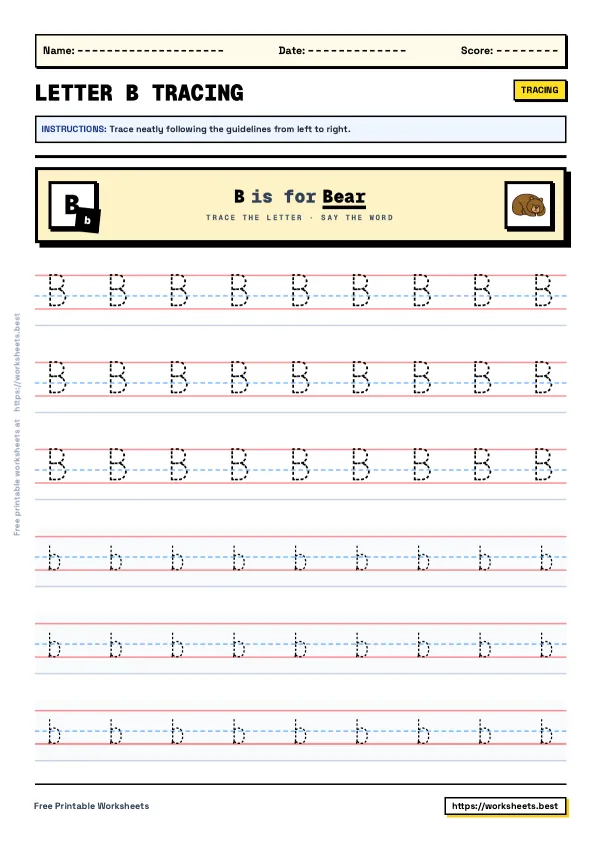
Letter B Tracing
Pre-K–KTracing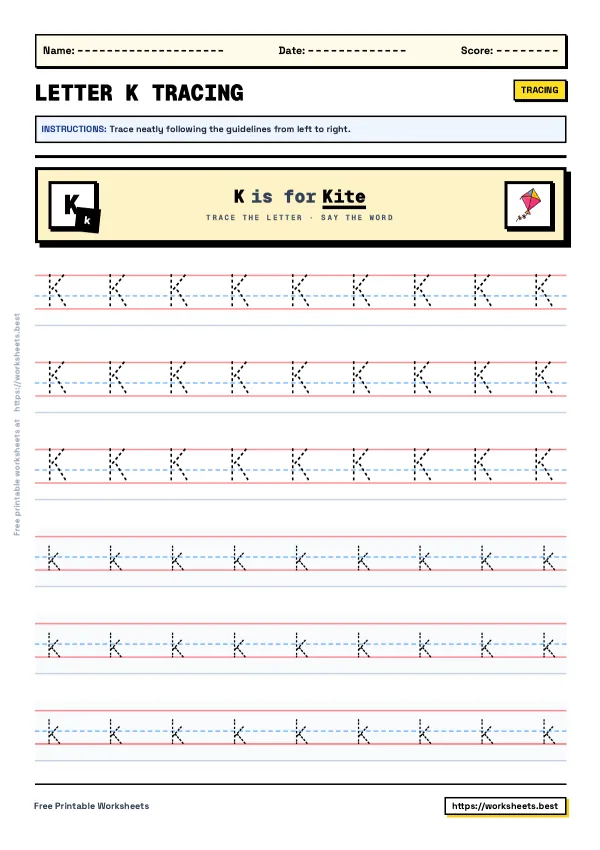
Letter K Tracing
Pre-K–KTracing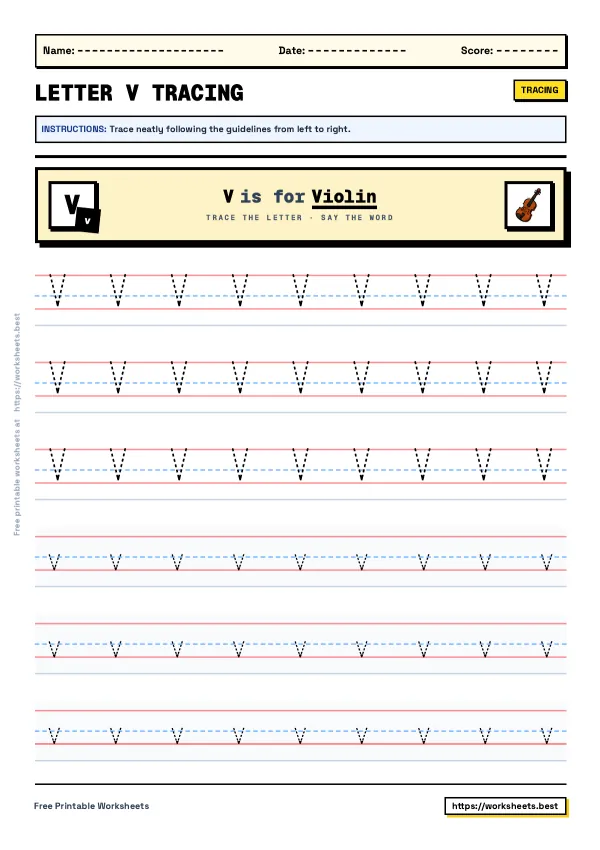
Letter V Tracing
Pre-K–KTracing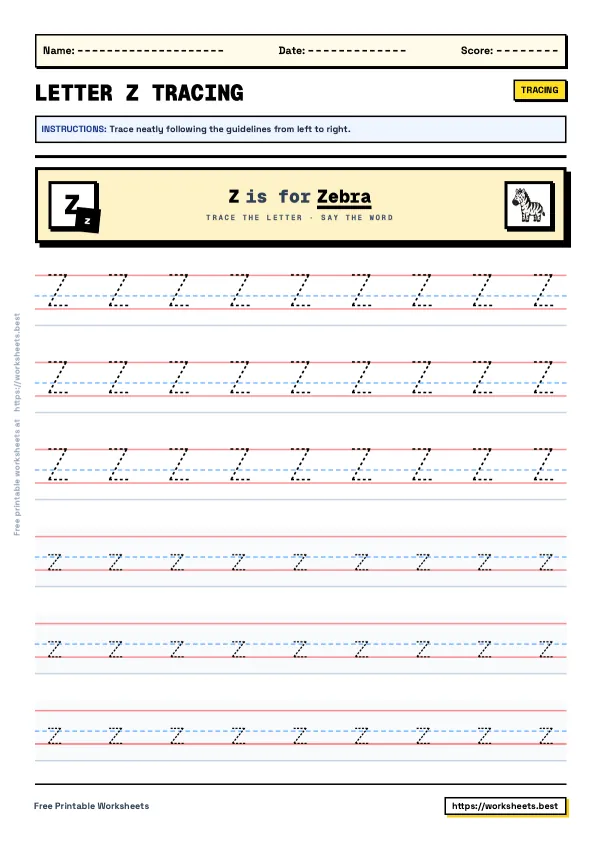
Letter Z Tracing
Pre-K–KTracing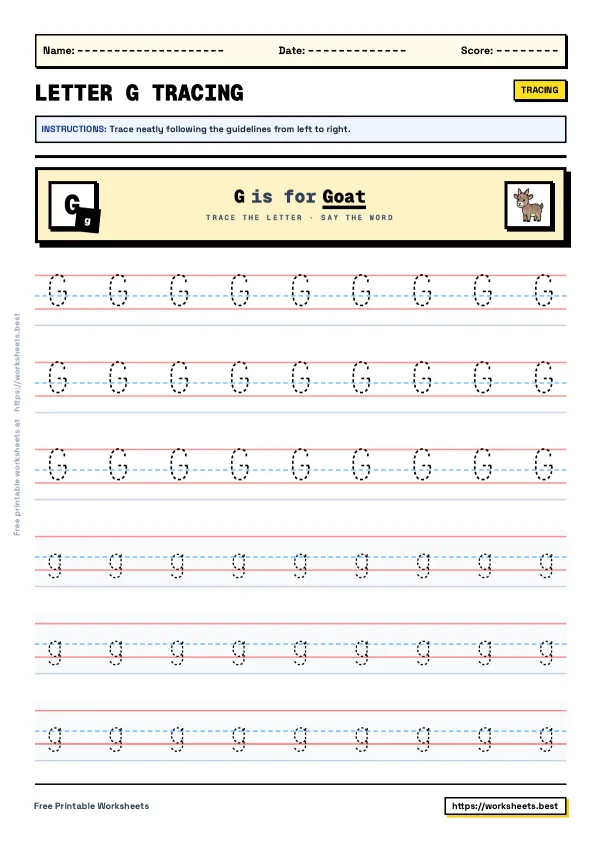
Letter G Tracing
Pre-K–KTracing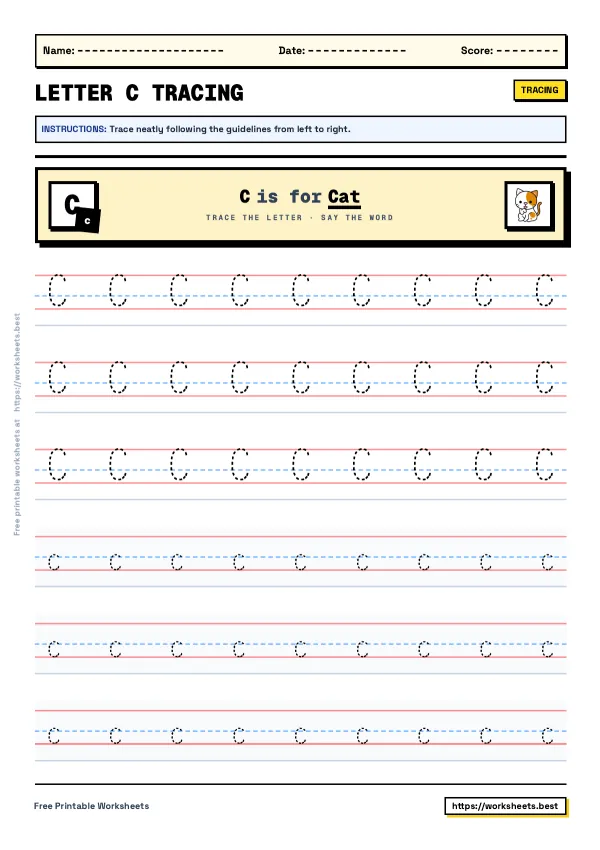
Letter C Tracing
Pre-K–KTracing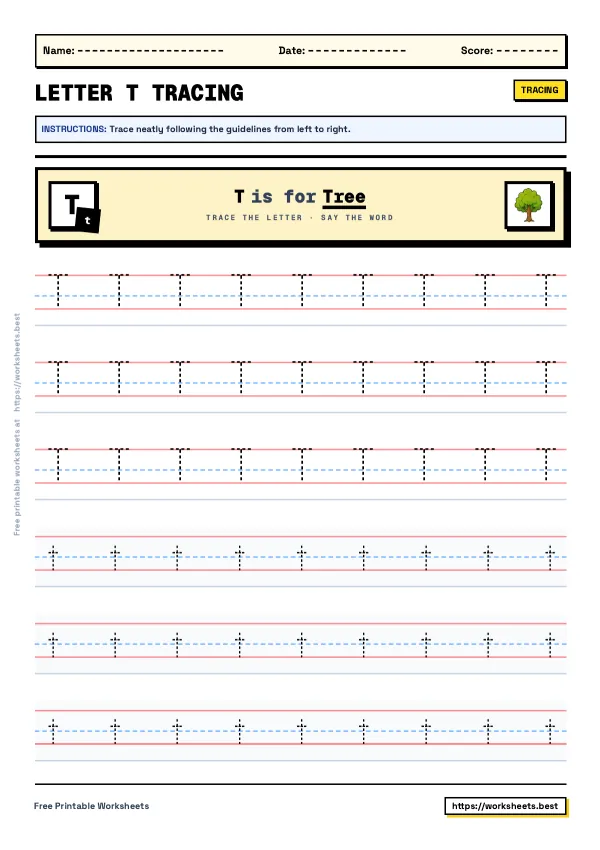
Letter T Tracing
Pre-K–KTracing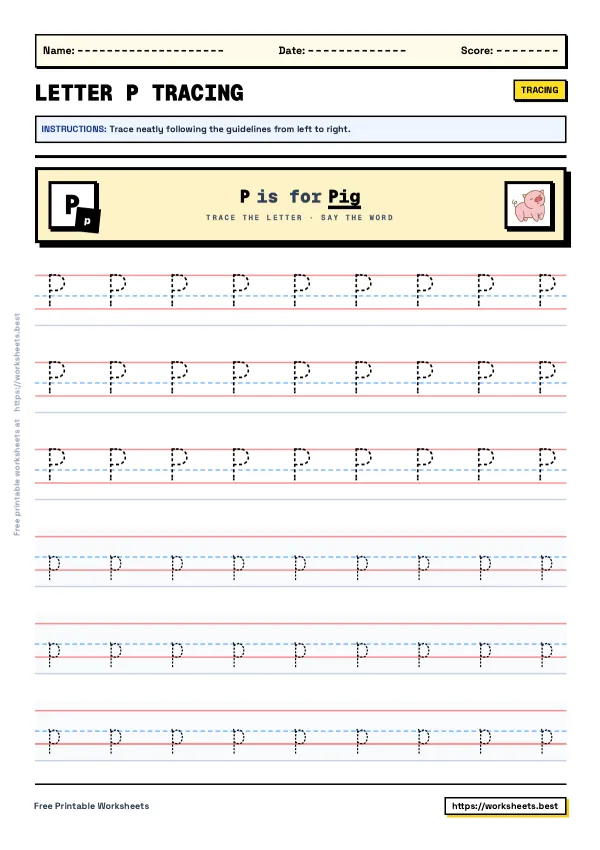
Letter P Tracing
Pre-K–KTracing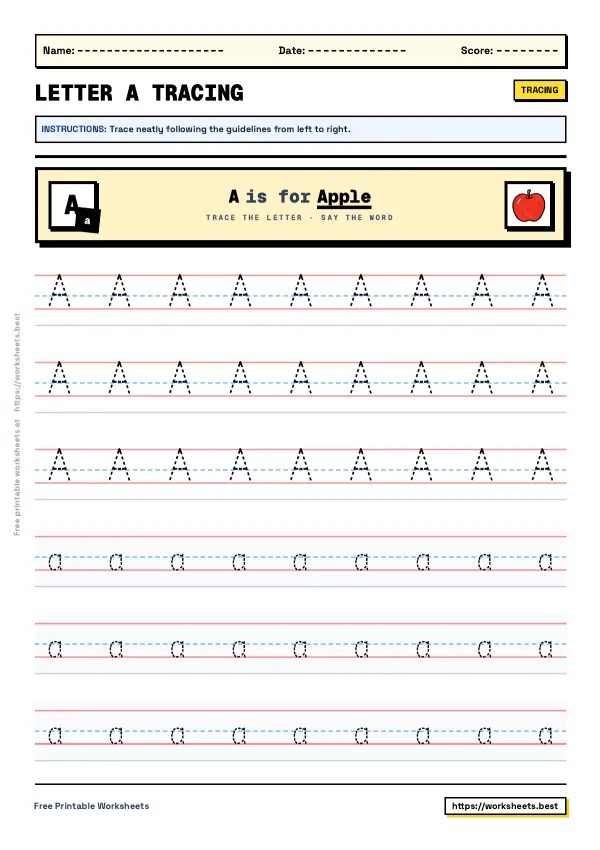
Letter A Tracing
Pre-K–KTracing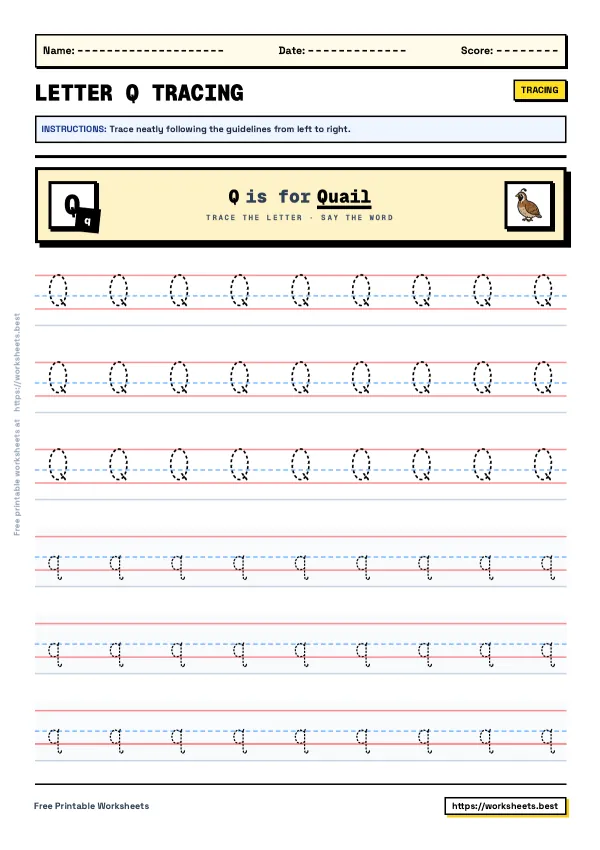
Letter Q Tracing
Pre-K–KTracing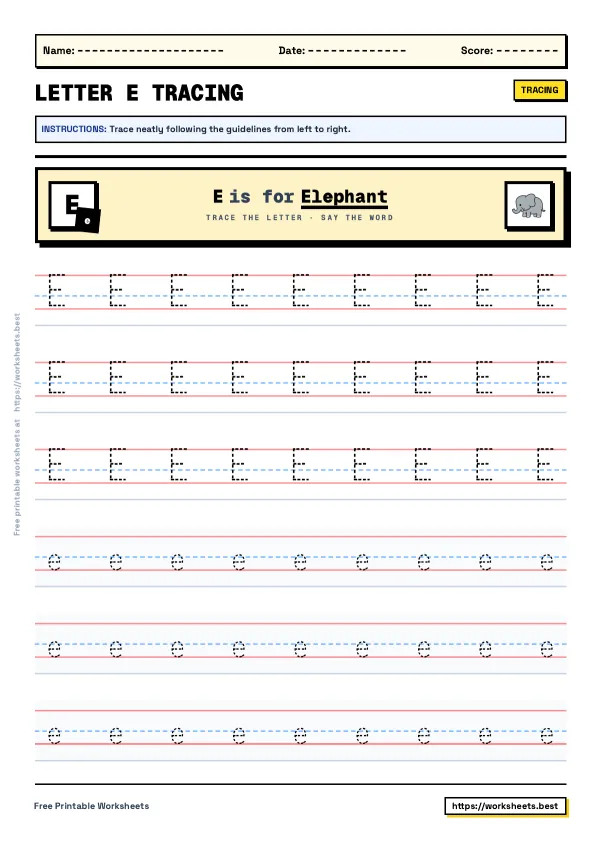
Letter E Tracing
Pre-K–KTracing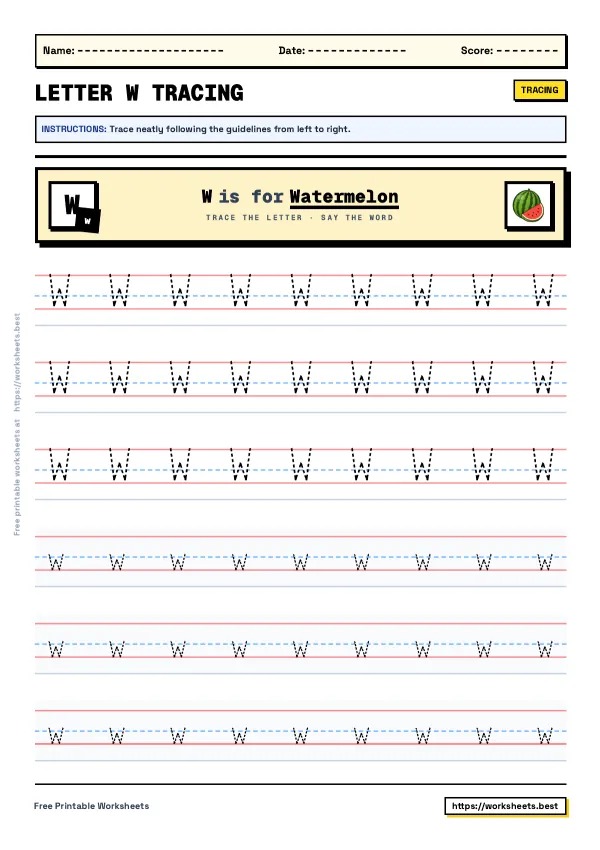
Letter W Tracing
Pre-K–KTracing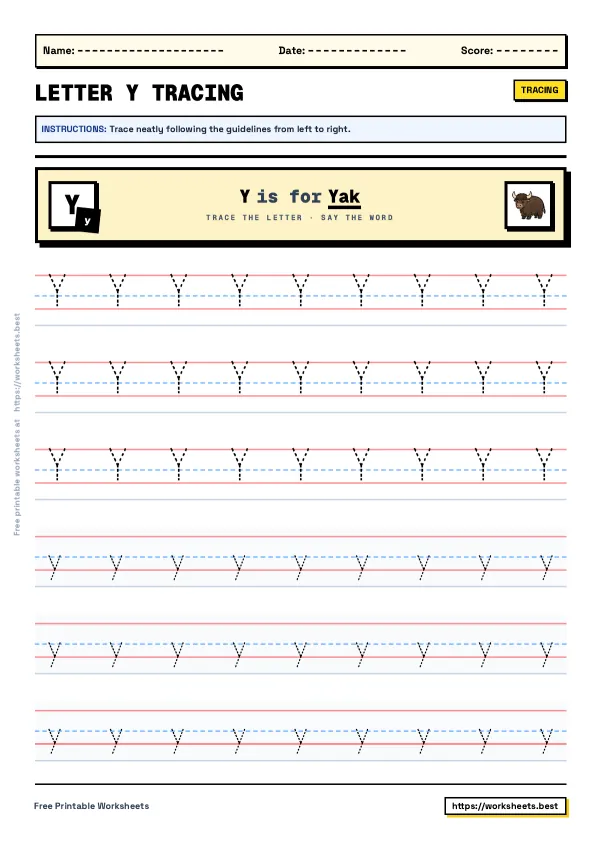
Letter Y Tracing
Pre-K–KTracing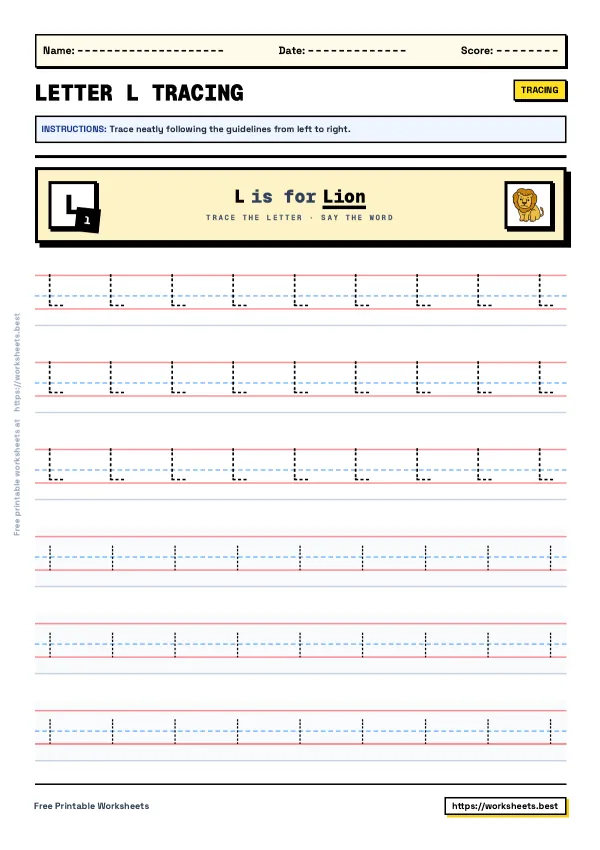
Letter L Tracing
Pre-K–KTracing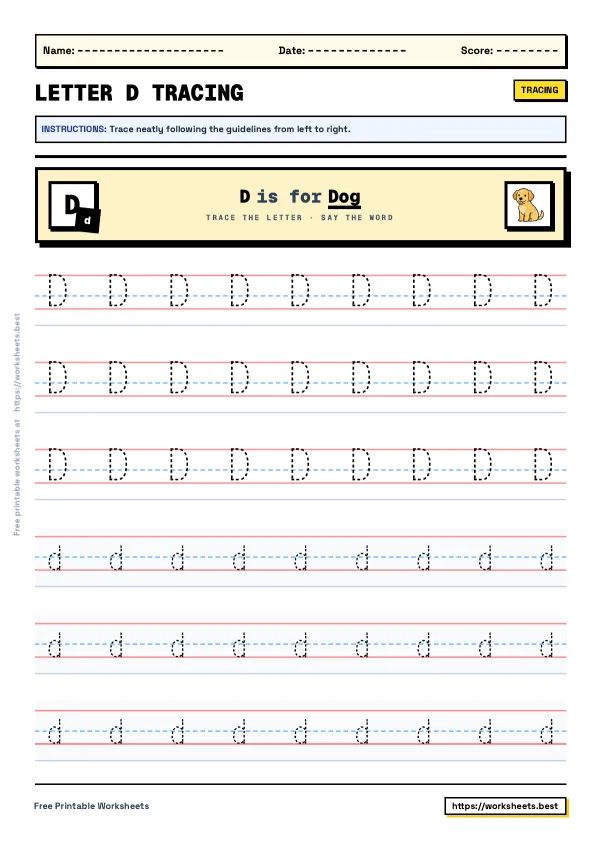
Letter D Tracing
Pre-K–KTracing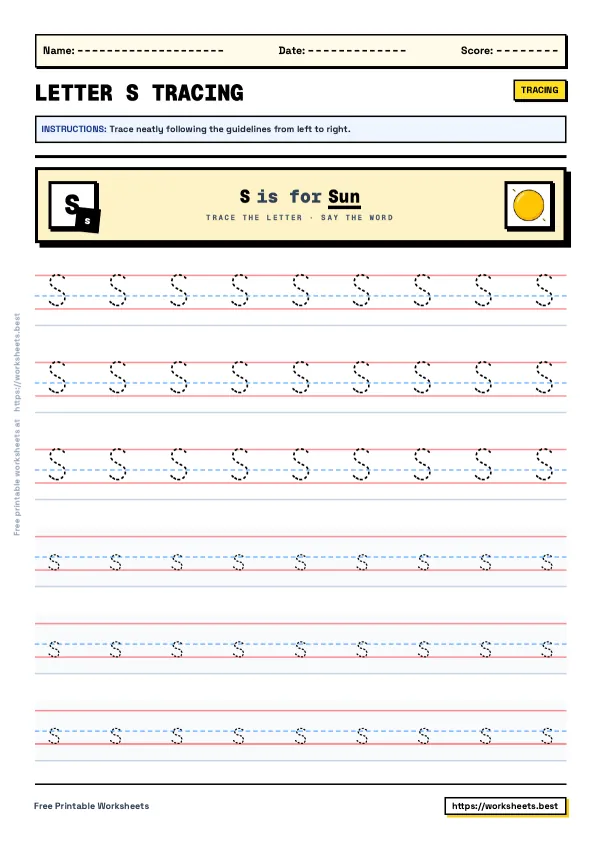
Letter S Tracing
Pre-K–KTracing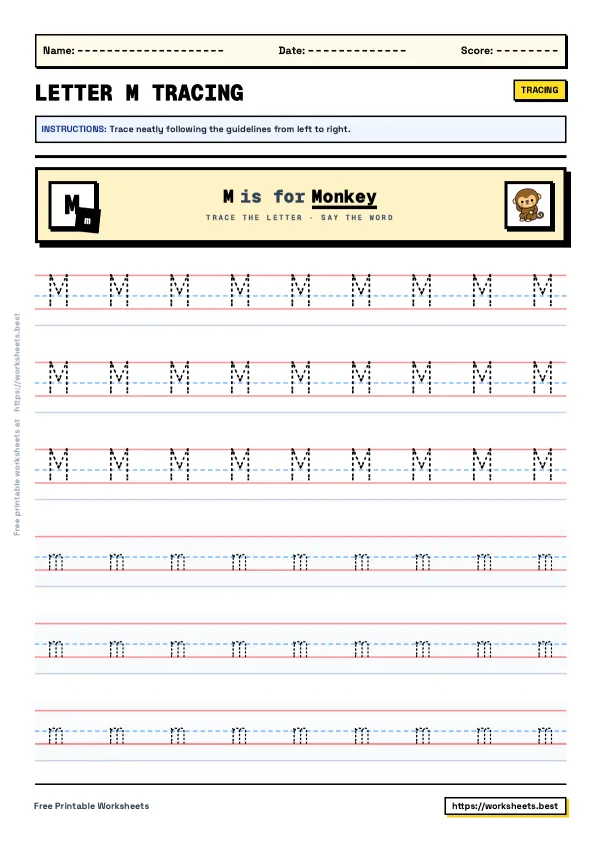
Letter M Tracing
Pre-K–KTracing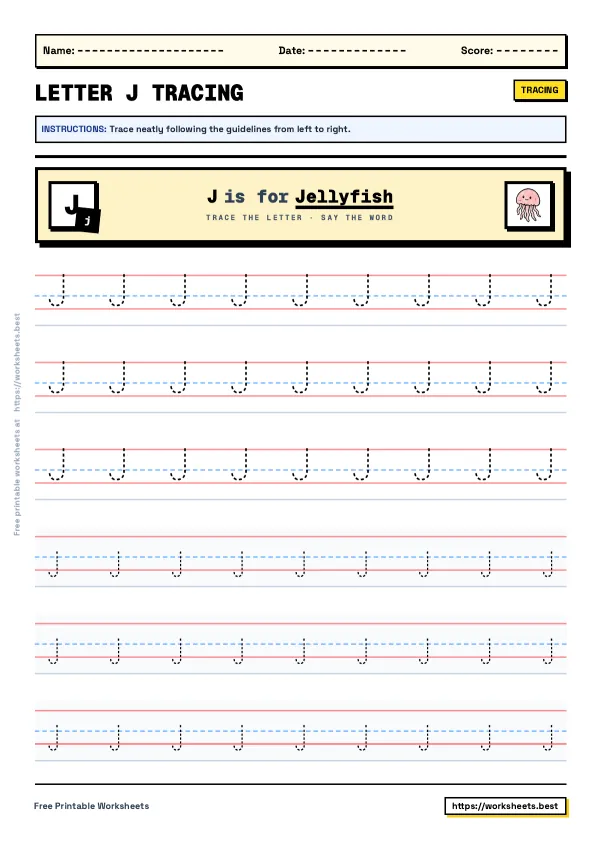
Letter J Tracing
Pre-K–KTracing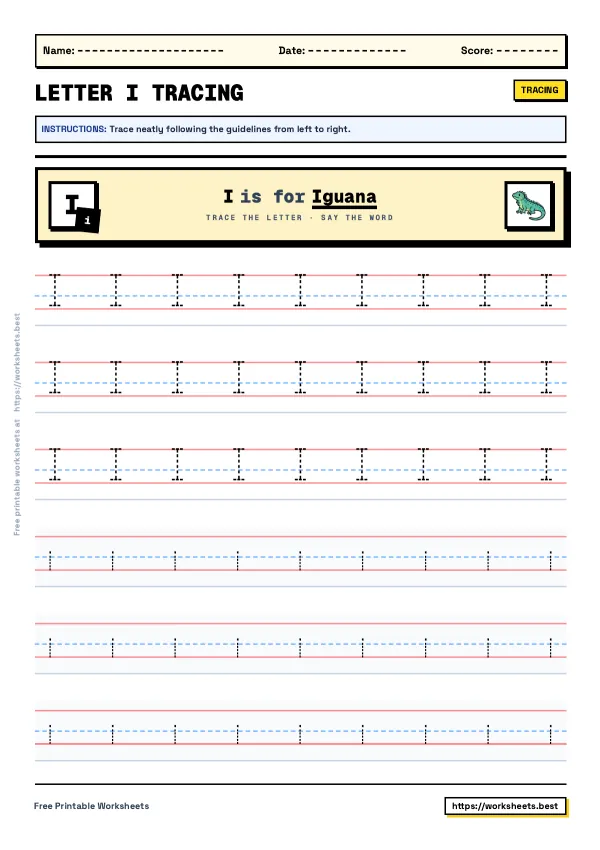
Letter I Tracing
Pre-K–KTracing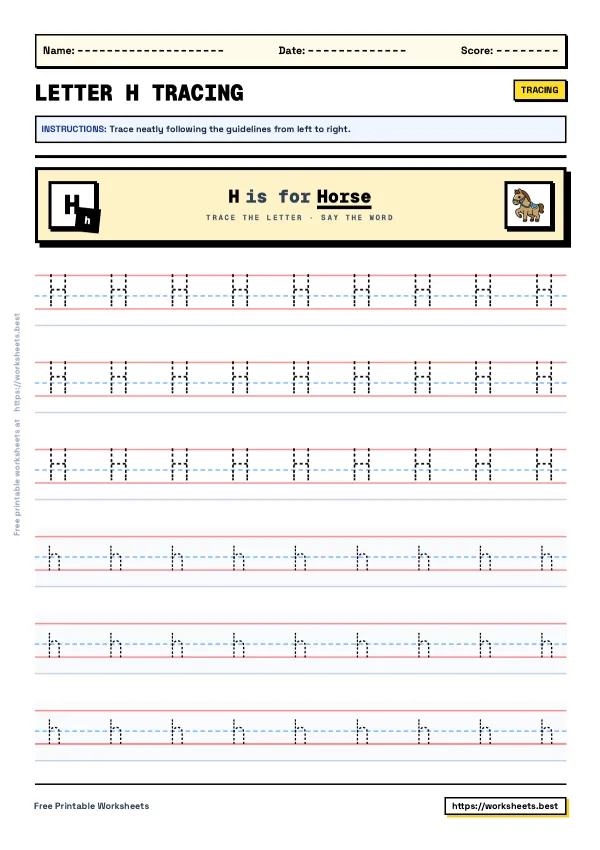
Letter H Tracing
Pre-K–KTracing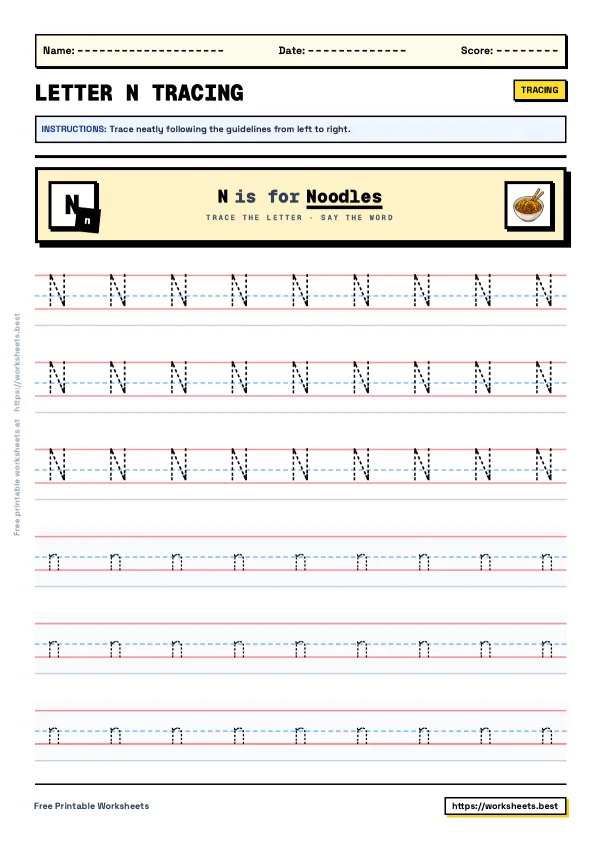
Letter N Tracing
Pre-K–KTracing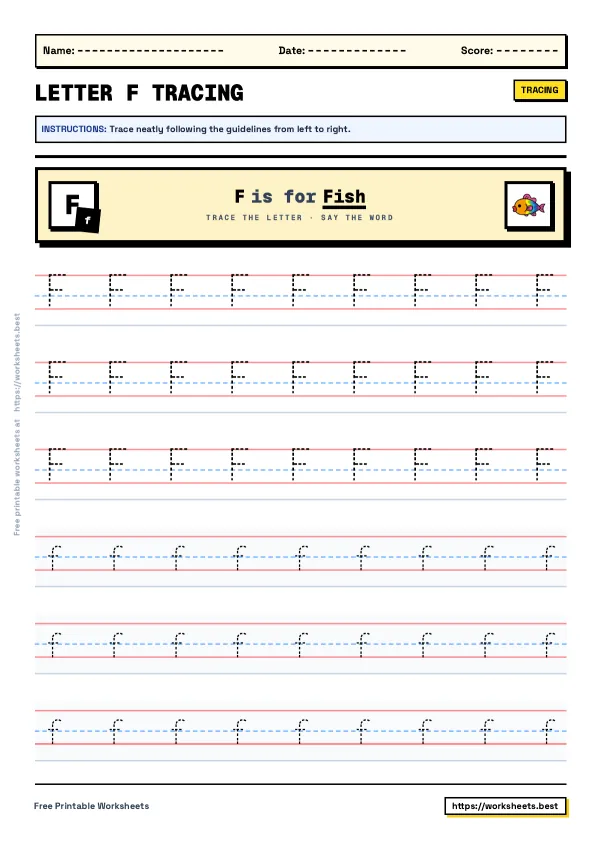
Letter F Tracing
Pre-K–KTracing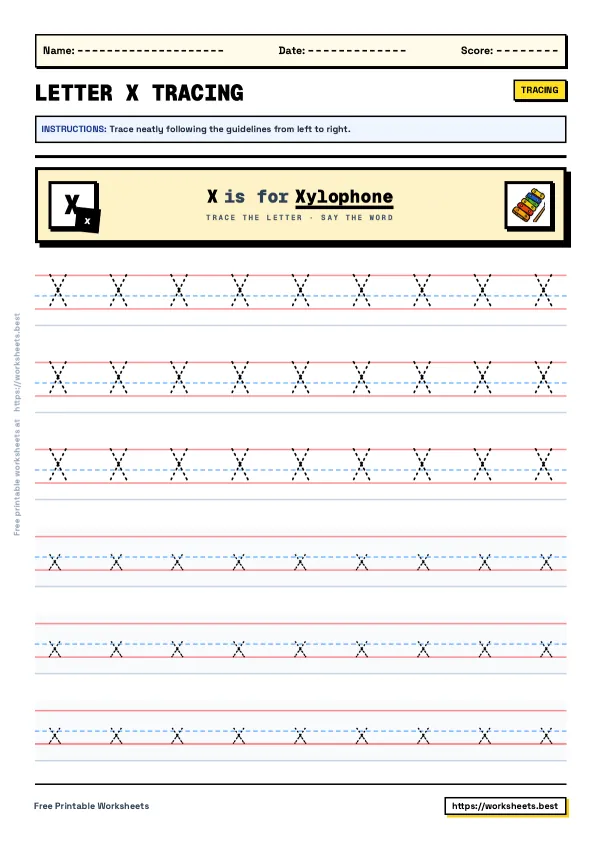
Letter X Tracing
Pre-K–KTracing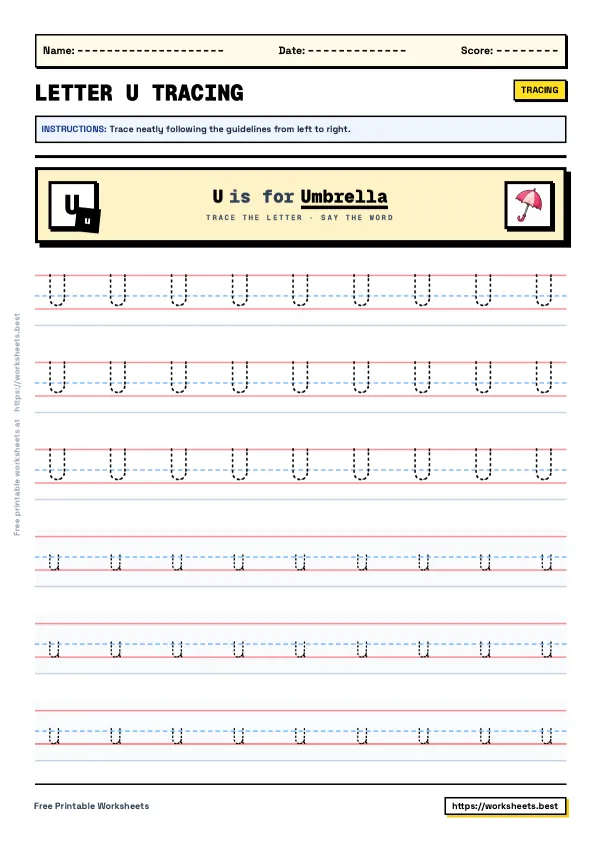
Letter U Tracing
Pre-K–KTracing
from teachers
Tips for parents and teachers
- Begin with a finger trace in the air or on the table before using a pencil; this helps a child feel the letter's shape and direction.
- Put a small starting dot on each letter and name the movement aloud, such as 'down, then across,' so the child learns where the letter begins.
- Keep a Pre-K tracing session short, about five to ten minutes, and stop while the child is still willing to try one more letter.
- If the child grips the pencil in a fist, try short, thick crayons or pencils and model a relaxed three-finger grip before returning to the sheet.
Questions parents ask
What age should a child start letter tracing?
Pre-K is a good time to begin, when a child can sit for a few minutes and hold a crayon or pencil with some control. Start with one letter at a time and keep the mood relaxed; mastery comes later.
Should my child trace uppercase or lowercase letters first?
Many children start with uppercase letters because their shapes often use straight lines, then move to lowercase. Follow the order used at your child's preschool or by their teacher, and say the letter name each time.
How can I help my child hold a pencil correctly during tracing?
Offer short, thick crayons or pencils and show a relaxed grip with the thumb and first two fingers. If your child uses a fist, try a finger trace first, then return to the tool.
How long should a Pre-K tracing session last?
A few minutes is usually enough, often around five to ten minutes. Stop before your child becomes tired, and try another short session later in the day.
What if my child traces a letter but cannot recognize it later?
Say the letter name and sound as your child traces, and point to the picture word on the sheet. Repeating the letter name while tracing helps link the shape to its sound over time.