Cursive Writing Worksheets
Cursive Writing Worksheets give 2nd and 3rd graders a calm, step-by-step way to build joined letters, from the first upward stroke to a whole word written without lifting the pencil. The pages rely on tracing, so children follow a clear model before trying the letter on their own.
Read more +
Children practice handwriting, letter recognition and the fine motor control that cursive demands. One tracing sheet moves through letters one at a time and pairs each with a short word such as apple, bear or cat, giving young writers a model to follow and space to repeat it. The set covers lowercase letters and simple words, so 2nd and 3rd graders can work at a steady pace rather than rushing through the alphabet.
At home, a caregiver can sit alongside a child for ten quiet minutes and point out where the pencil starts and how it travels. In class, teachers can use a few pages as a handwriting warm-up, a literacy center task or extra practice for students who need more support with pencil control. Short, regular sessions work better than long ones, and children can return to the same tracing page until the movement feels natural.
start with these
Featured worksheets
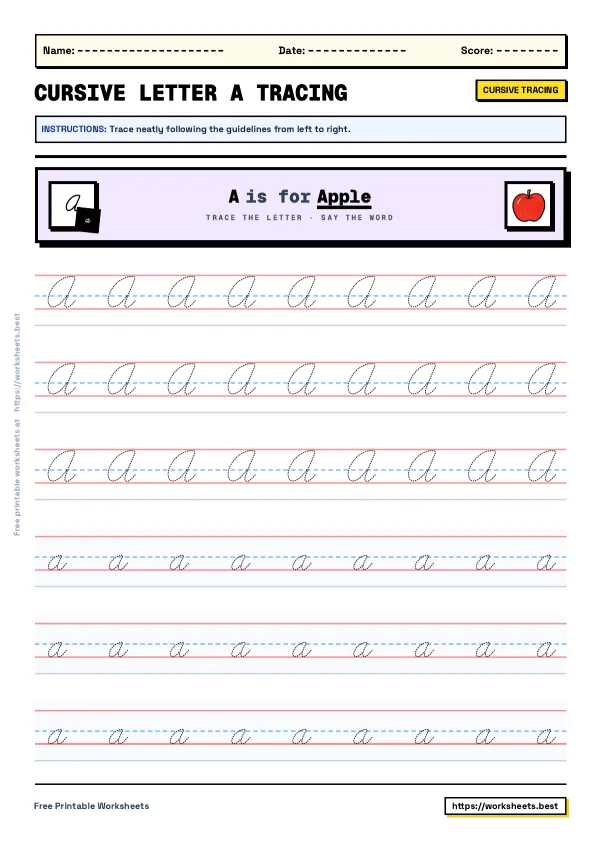
Cursive Letter A Tracing
2nd–3rd GradeTracing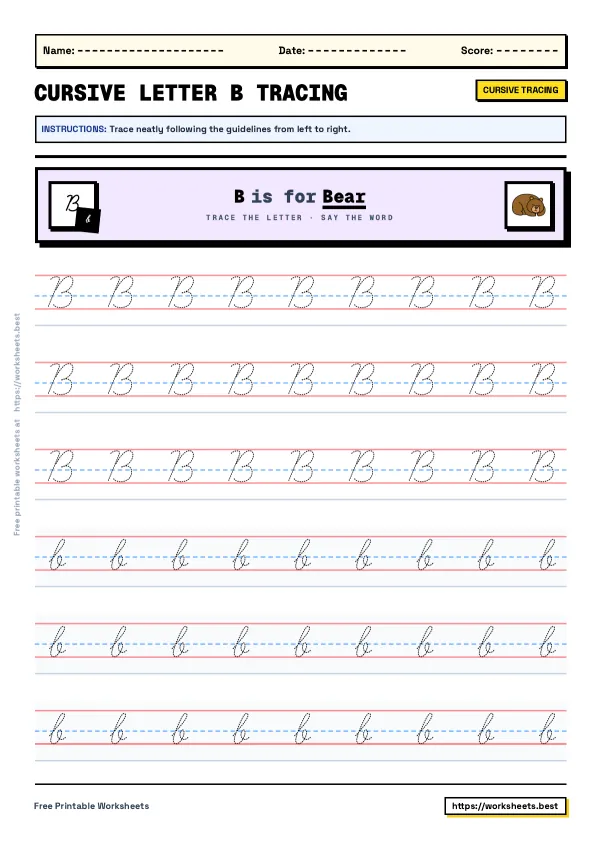
Cursive Letter B Tracing
2nd–3rd GradeTracing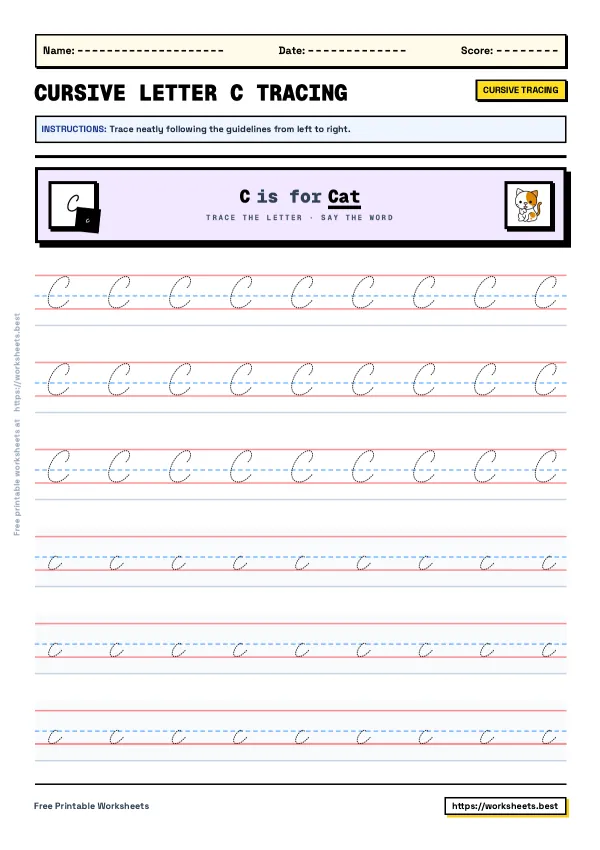
Cursive Letter C Tracing
2nd–3rd GradeTracing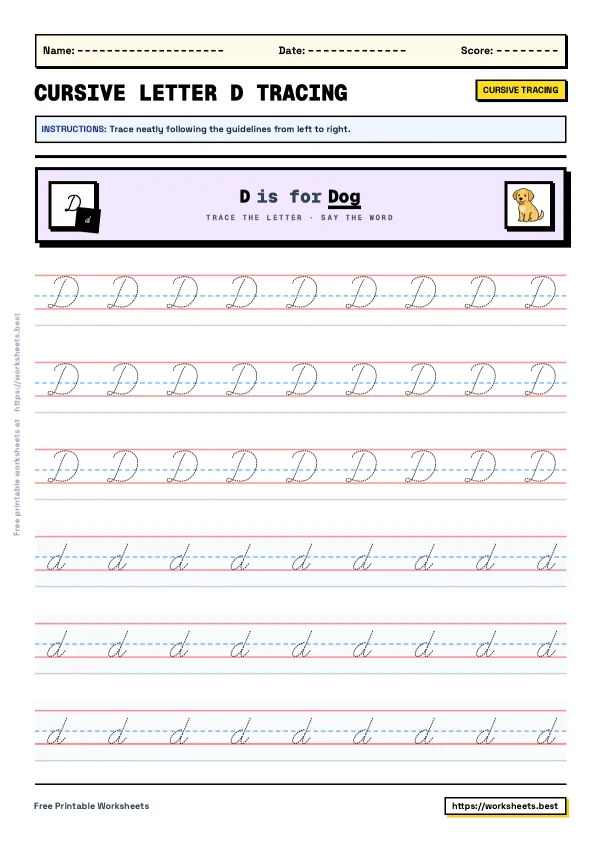
Cursive Letter D Tracing
2nd–3rd GradeTracing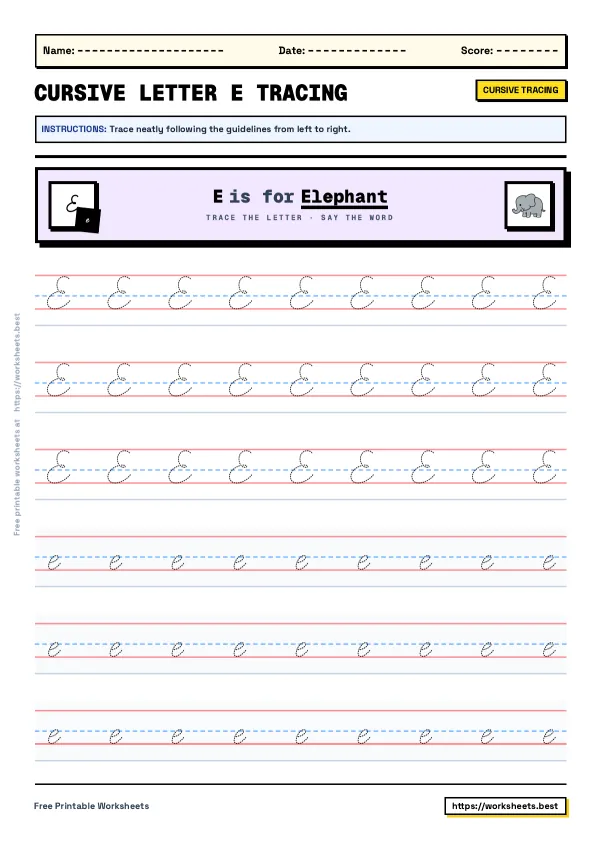
Cursive Letter E Tracing
2nd–3rd GradeTracing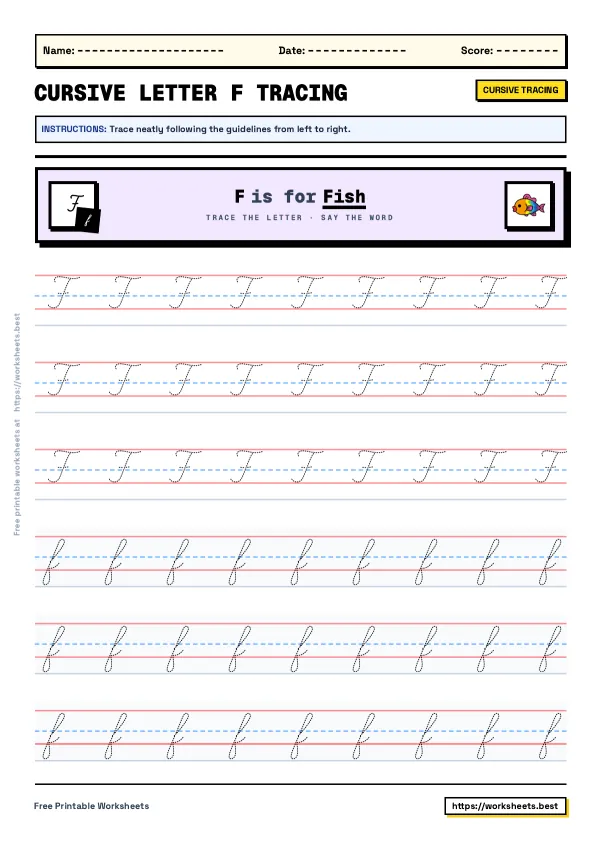
Cursive Letter F Tracing
2nd–3rd GradeTracing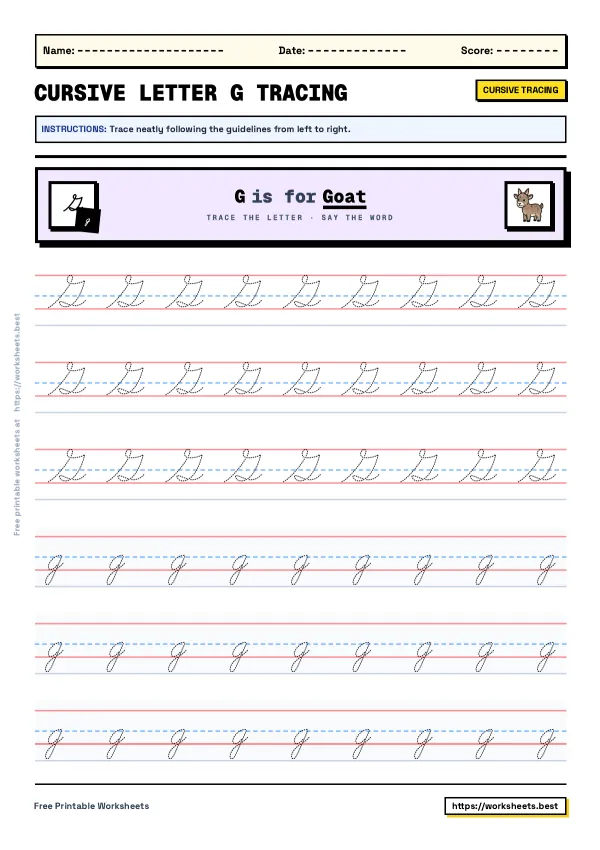
Cursive Letter G Tracing
2nd–3rd GradeTracing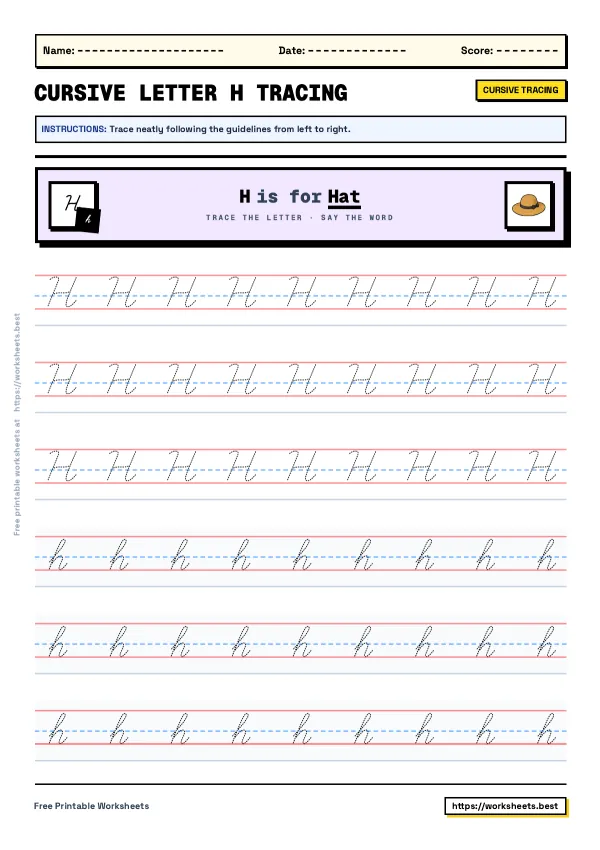
Cursive Letter H Tracing
2nd–3rd GradeTracing
every sheet
All Cursive Writing worksheets
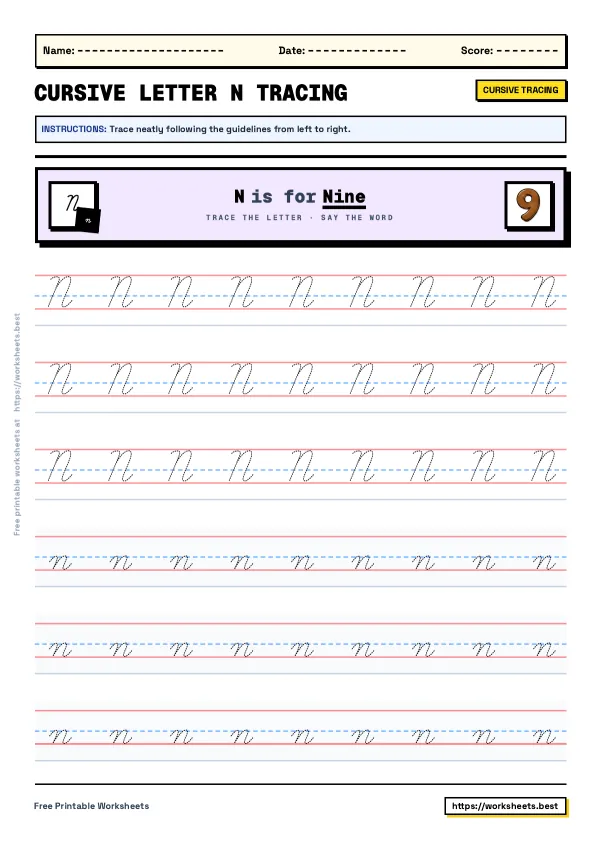
Cursive Letter N Tracing
2nd–3rd GradeTracing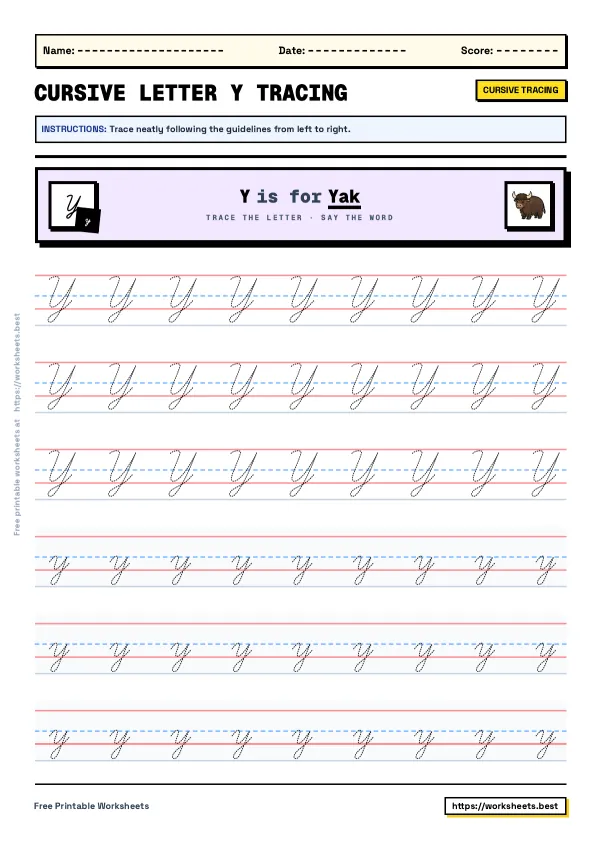
Cursive Letter Y Tracing
2nd–3rd GradeTracing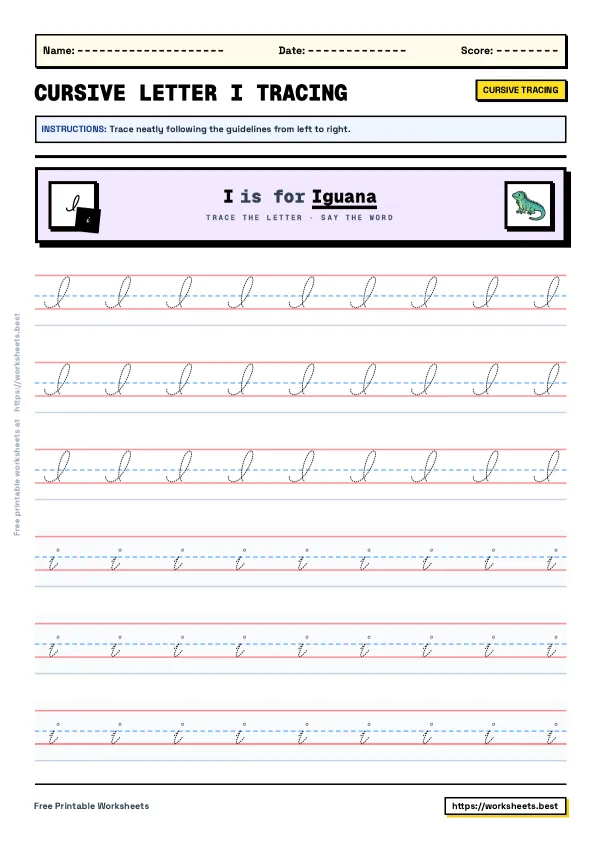
Cursive Letter I Tracing
2nd–3rd GradeTracing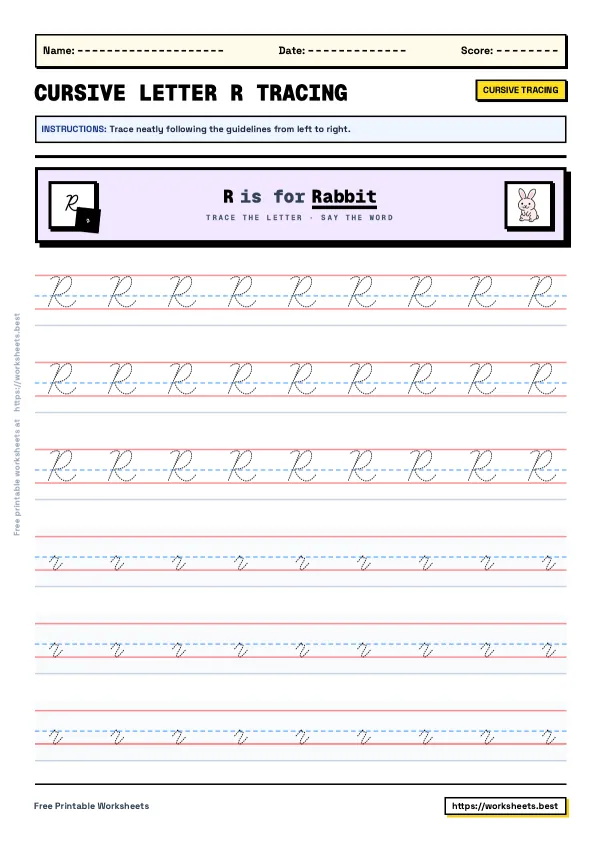
Cursive Letter R Tracing
2nd–3rd GradeTracing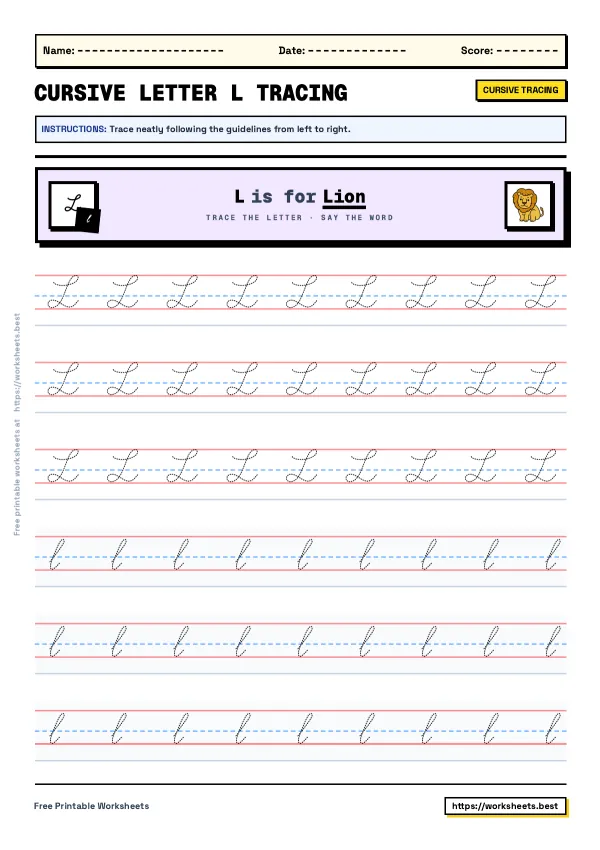
Cursive Letter L Tracing
2nd–3rd GradeTracing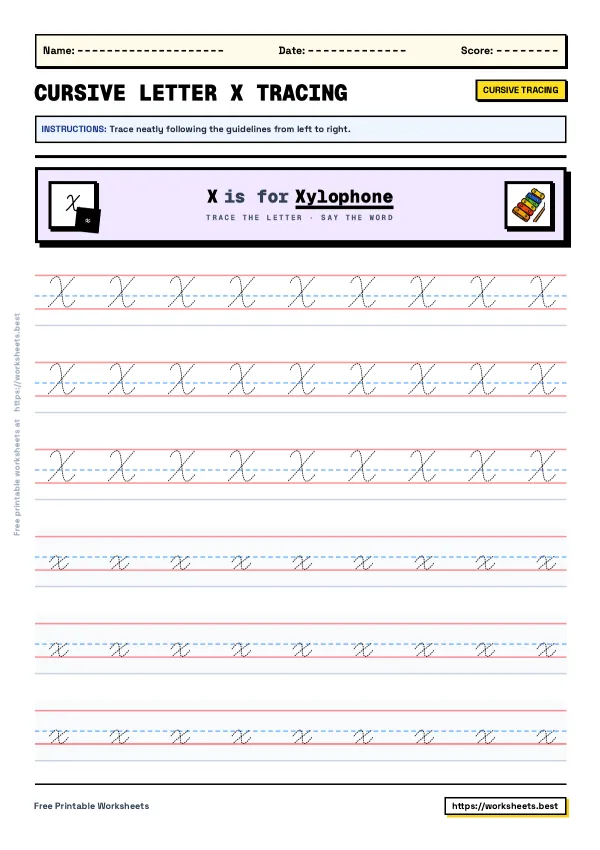
Cursive Letter X Tracing
2nd–3rd GradeTracingCursive Letter C Tracing
2nd–3rd GradeTracing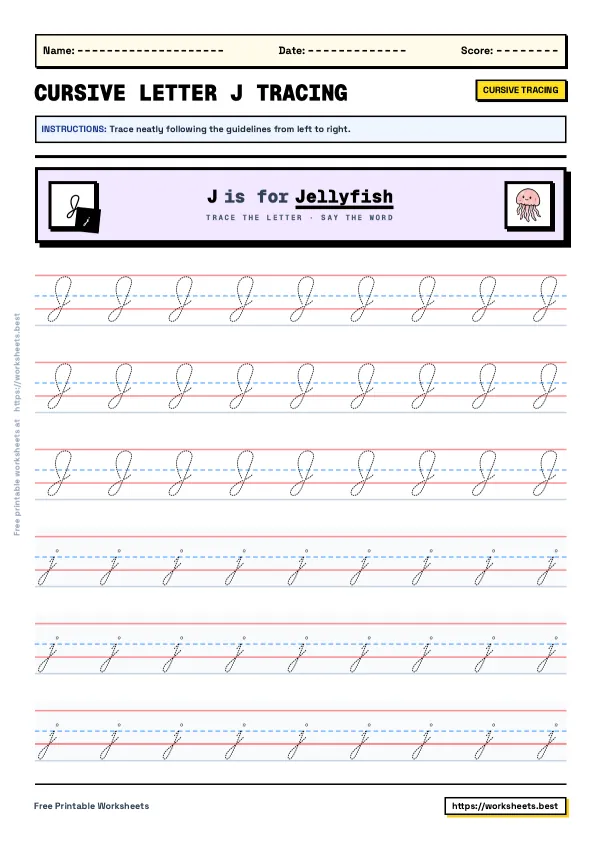
Cursive Letter J Tracing
2nd–3rd GradeTracing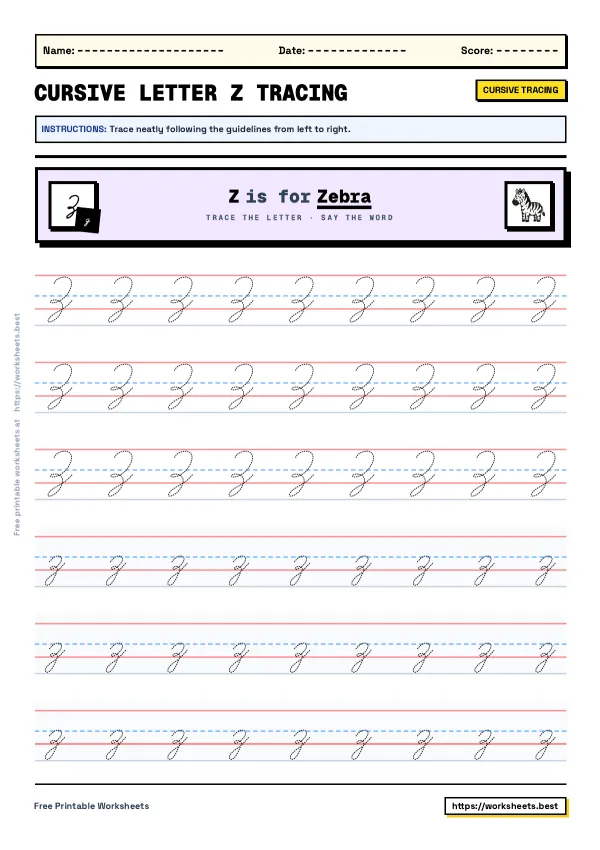
Cursive Letter Z Tracing
2nd–3rd GradeTracing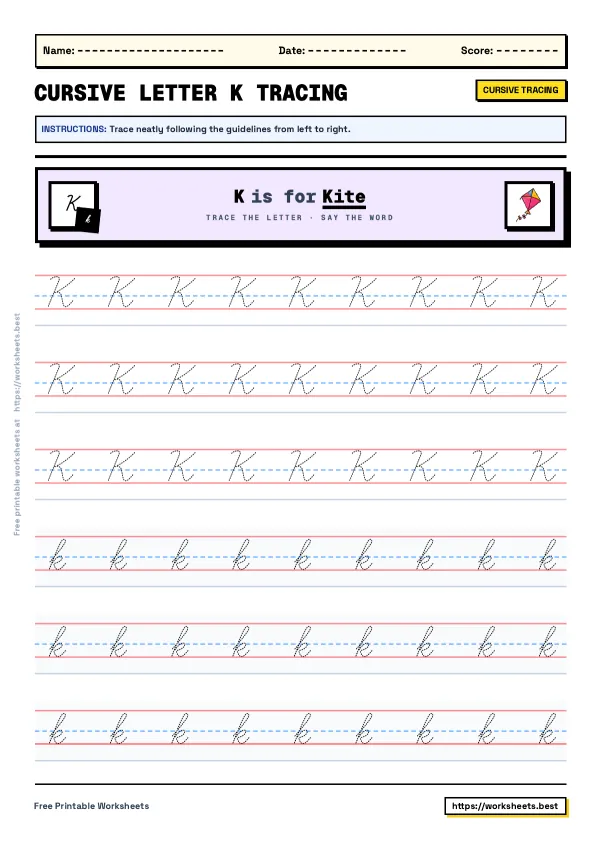
Cursive Letter K Tracing
2nd–3rd GradeTracingCursive Letter H Tracing
2nd–3rd GradeTracingCursive Letter A Tracing
2nd–3rd GradeTracing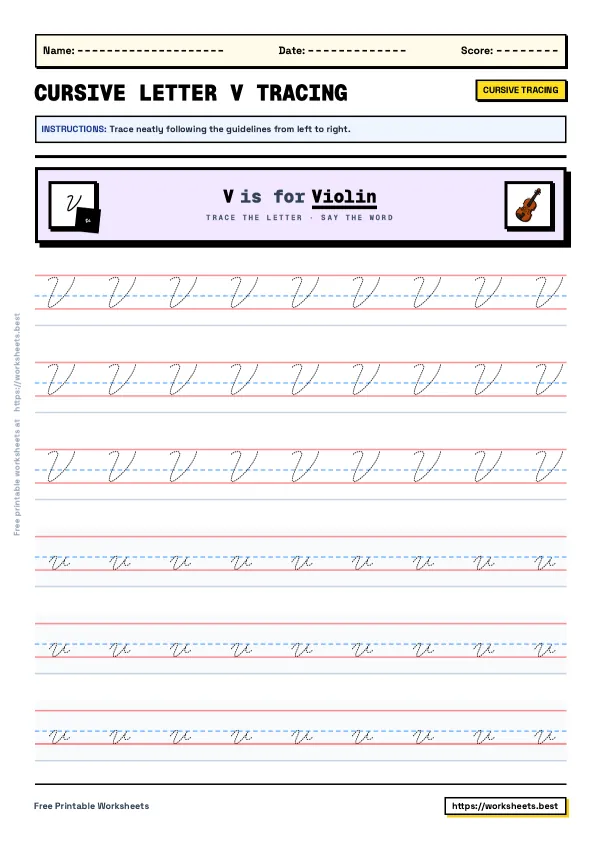
Cursive Letter V Tracing
2nd–3rd GradeTracing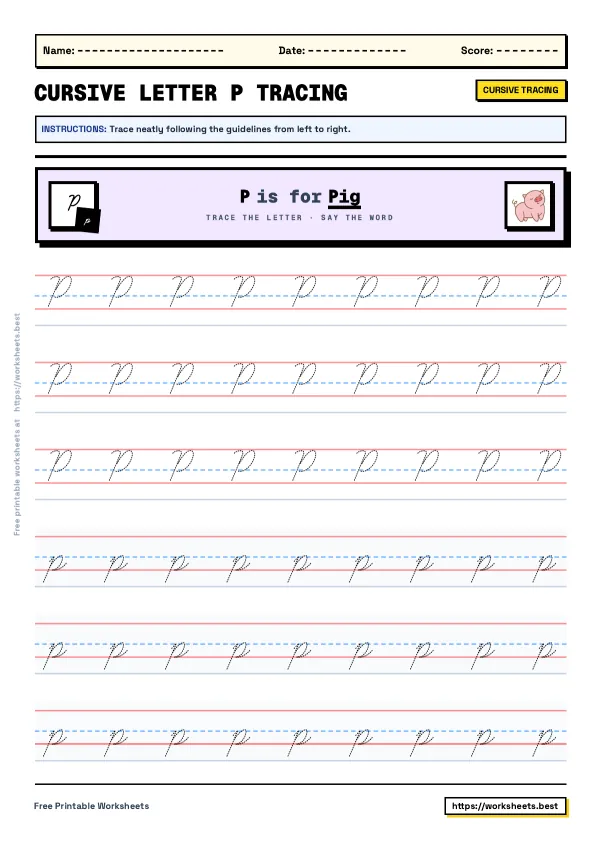
Cursive Letter P Tracing
2nd–3rd GradeTracingCursive Letter E Tracing
2nd–3rd GradeTracingCursive Letter D Tracing
2nd–3rd GradeTracingCursive Letter G Tracing
2nd–3rd GradeTracing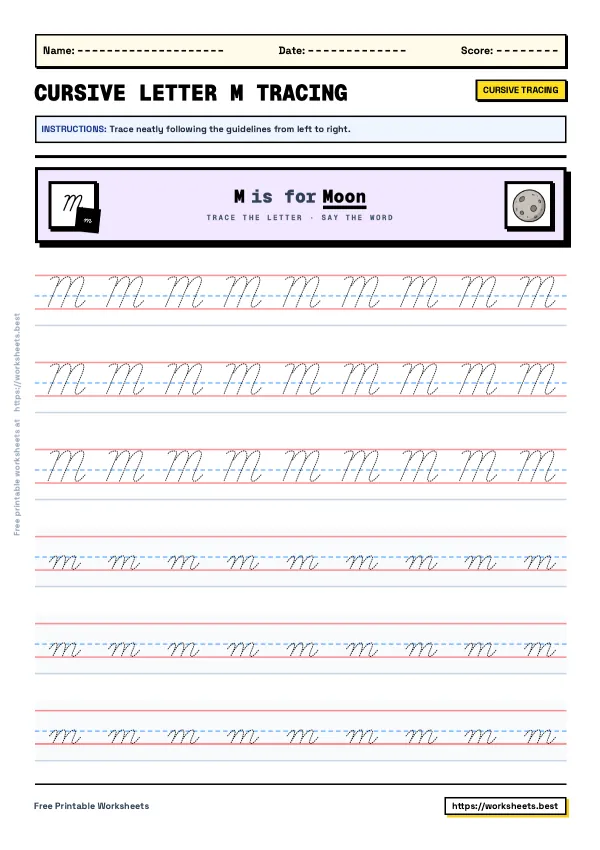
Cursive Letter M Tracing
2nd–3rd GradeTracingCursive Letter F Tracing
2nd–3rd GradeTracing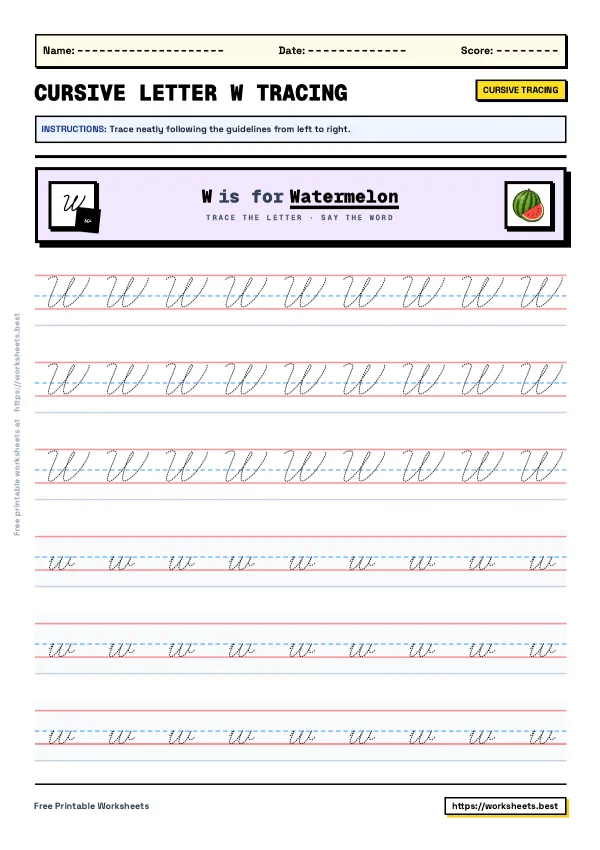
Cursive Letter W Tracing
2nd–3rd GradeTracing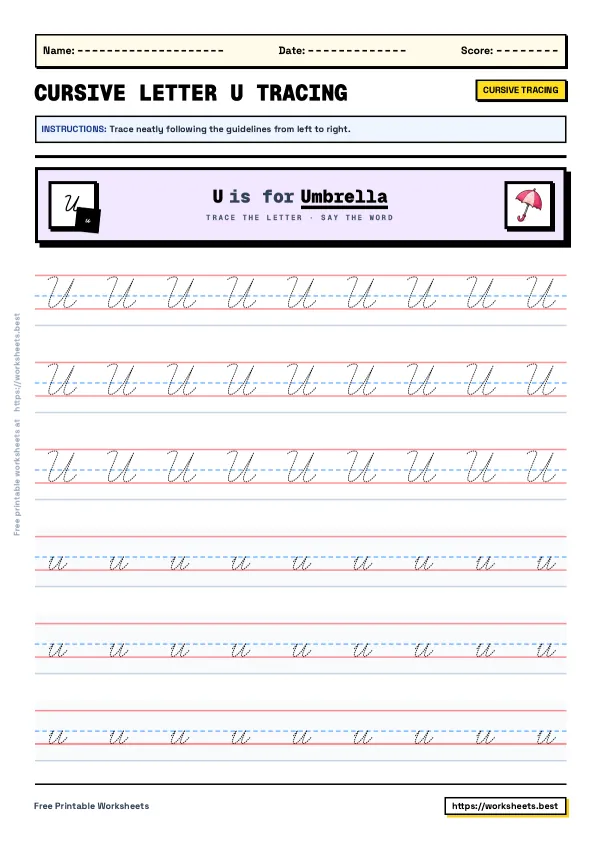
Cursive Letter U Tracing
2nd–3rd GradeTracing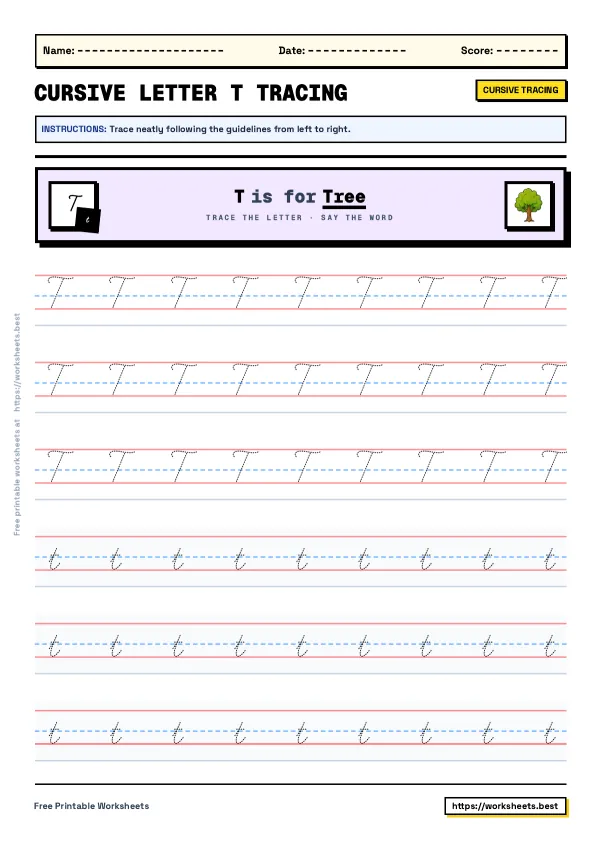
Cursive Letter T Tracing
2nd–3rd GradeTracing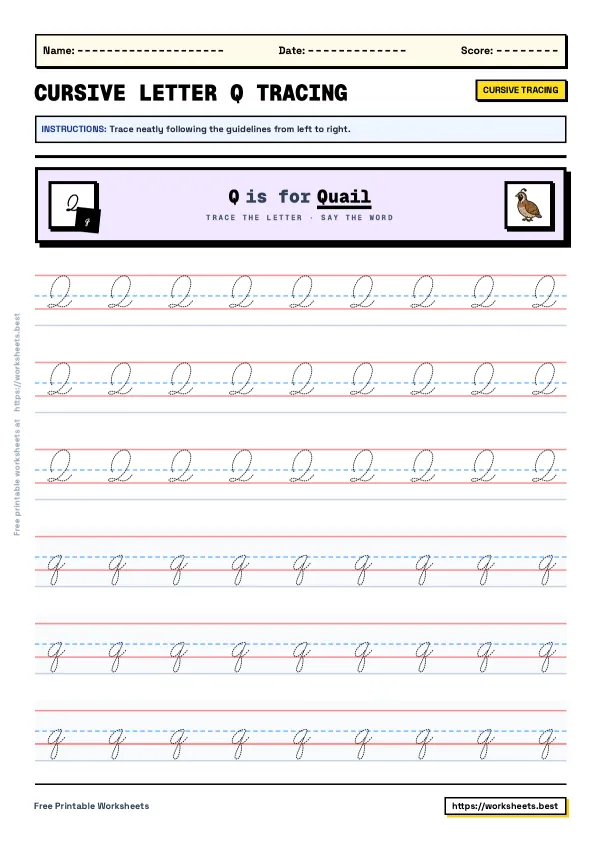
Cursive Letter Q Tracing
2nd–3rd GradeTracingCursive Letter B Tracing
2nd–3rd GradeTracing
dig deeper
More Cursive Writing worksheets
By grade
from teachers
Tips for parents and teachers
- Start with a short warm-up that traces large letter shapes in the air or on paper before moving to a worksheet, so the child feels the movement before adding pencil pressure.
- Keep sessions brief and stop while the child is still comfortable; five to ten focused minutes of tracing is usually enough for 2nd and 3rd graders.
- Watch the starting point and stroke direction on each model, and gently redirect if the child begins to draw the letter instead of following the cursive path.
- Let the child trace over the same page more than once to build fluency, and offer a pencil grip or slant board only if it helps the child control the pencil.
Questions parents ask
What grade do children usually learn cursive writing?
Many children begin formal cursive instruction in 2nd or 3rd grade, which is the age range these tracing pages are built for.
Should children trace cursive letters before writing them independently?
Yes. Tracing gives a clear model for starting points, stroke order and joins, so a child can repeat the movement before trying it freehand.
How long should cursive practice take for a 2nd or 3rd grader?
A short session of about five to ten minutes is usually enough. Stop before the hand tires, and return to tracing another day.
How can I help my child connect cursive letters smoothly?
Practice joins in short words after single letters, and have the child trace the connection slowly before trying it without the model. Point out where the pencil leaves one letter and begins the next.
Does cursive practice help fine motor skills?
Yes. Forming joined letters asks children to control pencil pressure, direction and spacing, which supports fine motor development alongside handwriting and letter recognition.