Pre-K English Worksheets
Early literacy starts with big pencils, short words, and plenty of practice. Pre-K English Worksheets give young children a simple way to work on sight words, letter tracing, word tracing, and phonics and CVC words through tracing, sight word practice, and letter sounds. The pages are made for pre-K children who are learning to hold a pencil, recognize letters, and connect sounds to words. Activities build handwriting, spelling, fine motor skills, and early reading, along with letter formation, letter recognition, word recognition, beginning sounds, and letter sounds.
Read more +
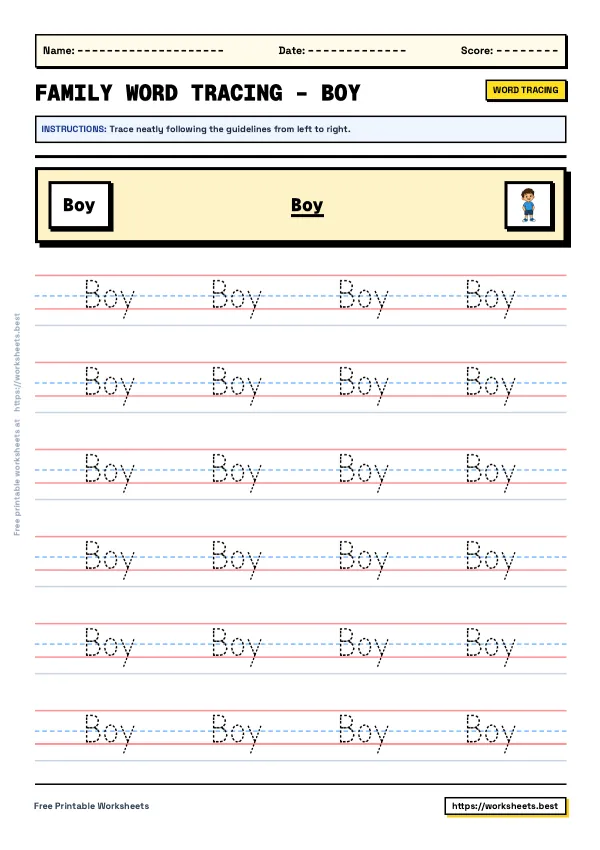
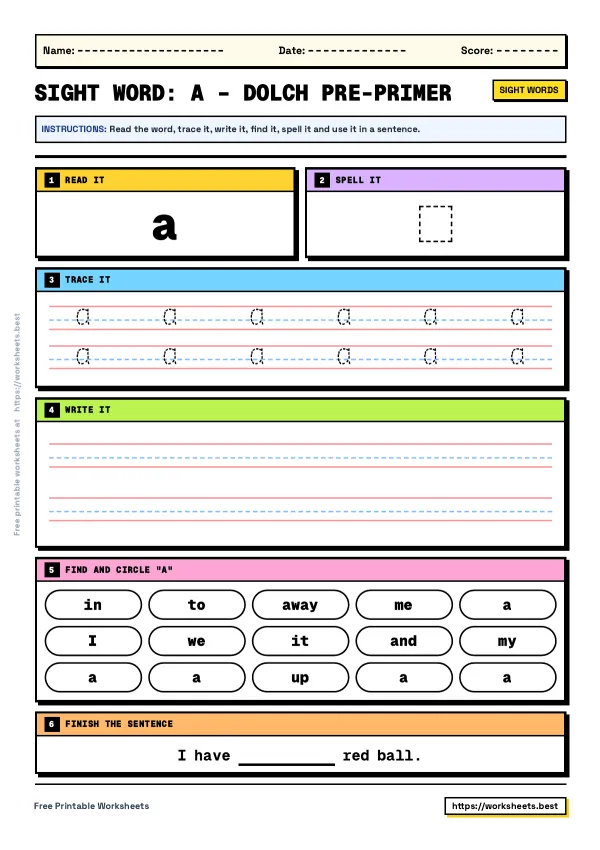
A vegetable word-tracing sheet asks a child to trace the word carrot, while an animal beginning-sounds page helps children match llama, mule, and wolf to their starting letters. Other pages in the collection include alphabet tracing, pre-primer sight words, and themed word tracing with animals, fruits, vegetables, people, birds, food, home, and body parts. Most sheets are ready to use in a literacy center, a small group, or at the kitchen table. Some pages include answer keys for adults.
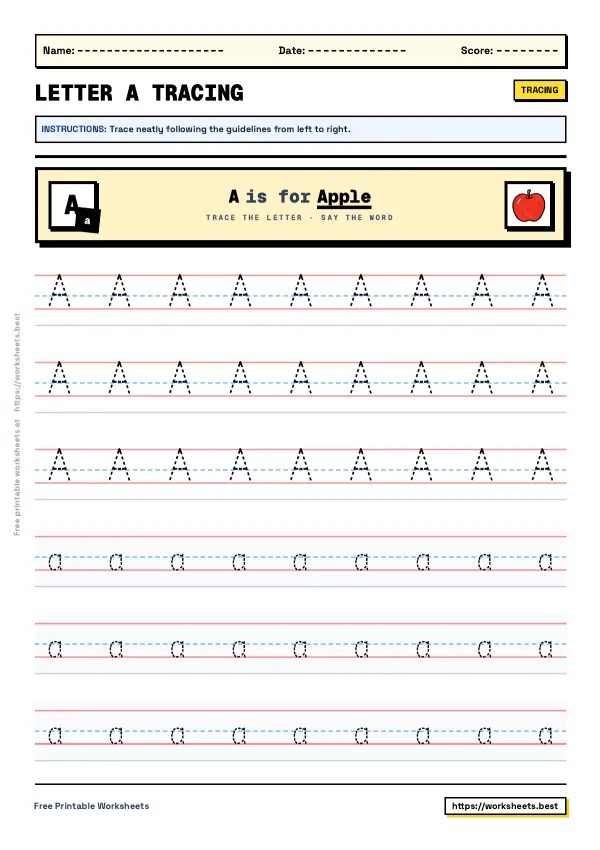
Children can trace first with a finger, then with a crayon or pencil, and say each letter sound as they go. For classrooms, choose a page that matches the letter or theme of the week; at home, use one short sheet before a story or after breakfast. Several activities support early standards such as RF.K.3.C and L.K.1.A, giving pre-K children repeated practice with letter sounds and uppercase letter formation.
every sheet
All Pre-K English worksheets
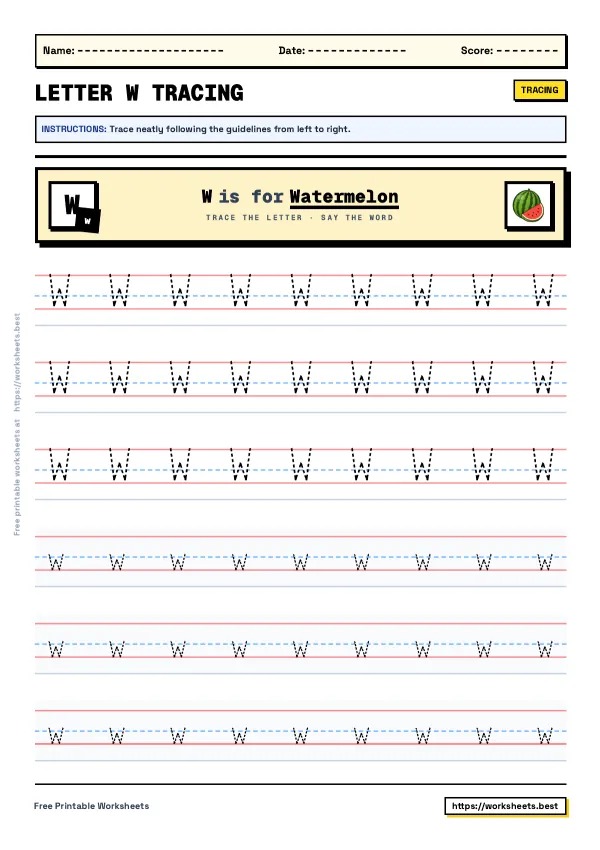
Letter W Tracing
Pre-K–KTracing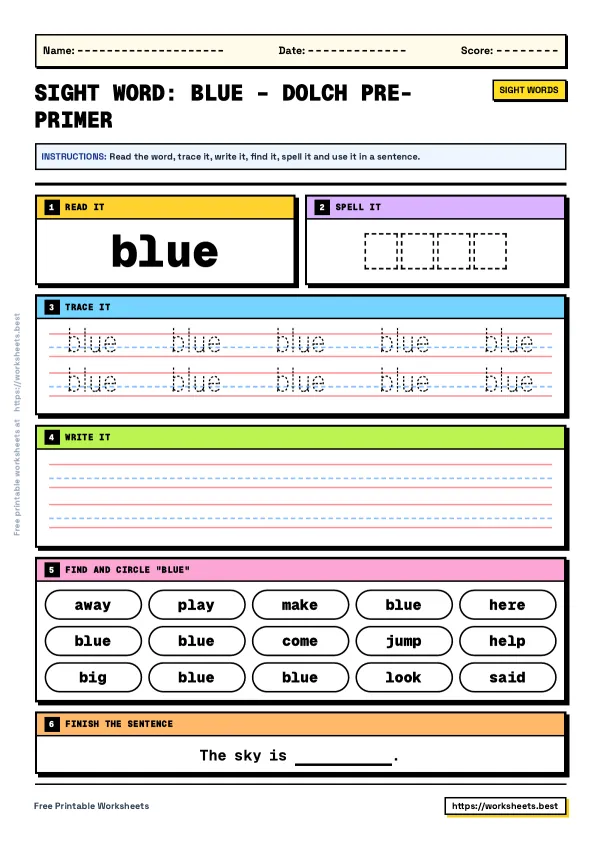
Sight Word: Blue – Dolch Pre-Primer
Pre-K–KSight Words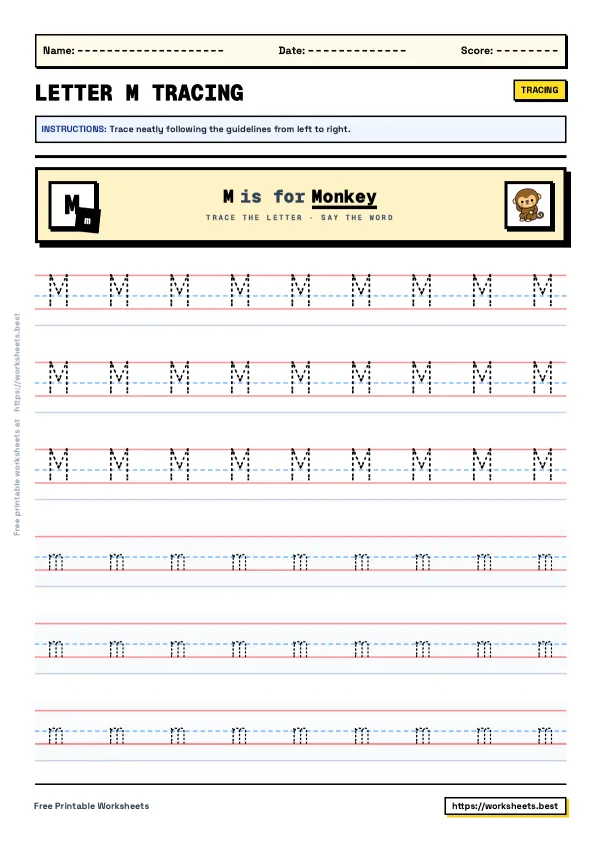
Letter M Tracing
Pre-K–KTracing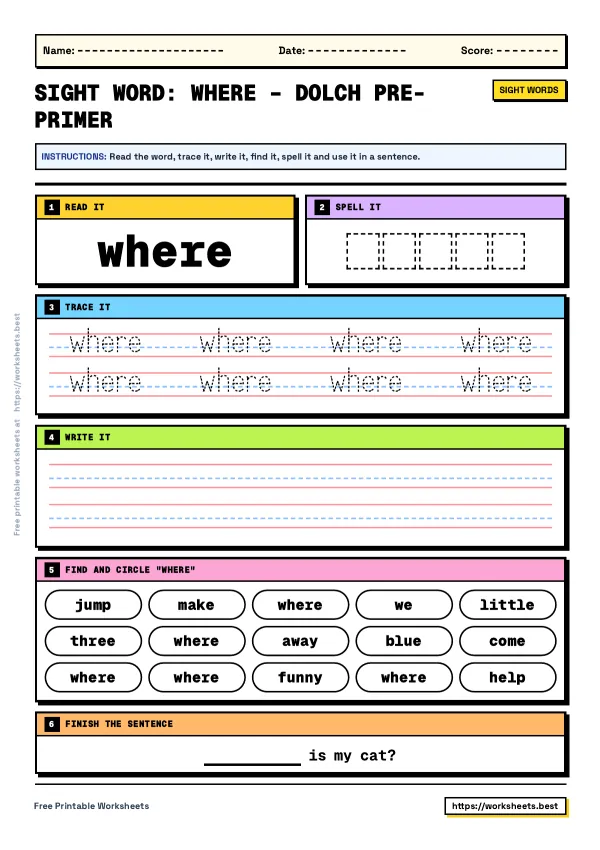
Sight Word: Where – Dolch Pre-Primer
Pre-K–KSight Words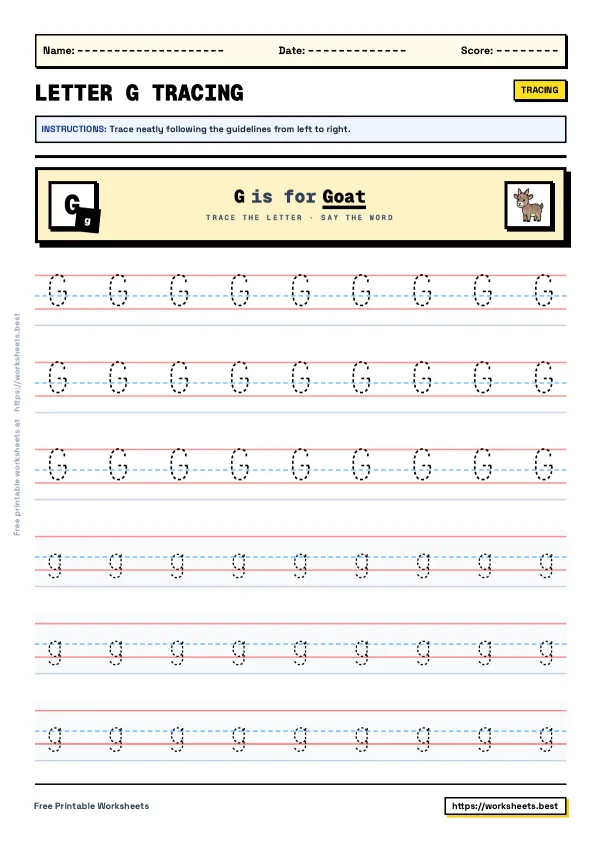
Letter G Tracing
Pre-K–KTracing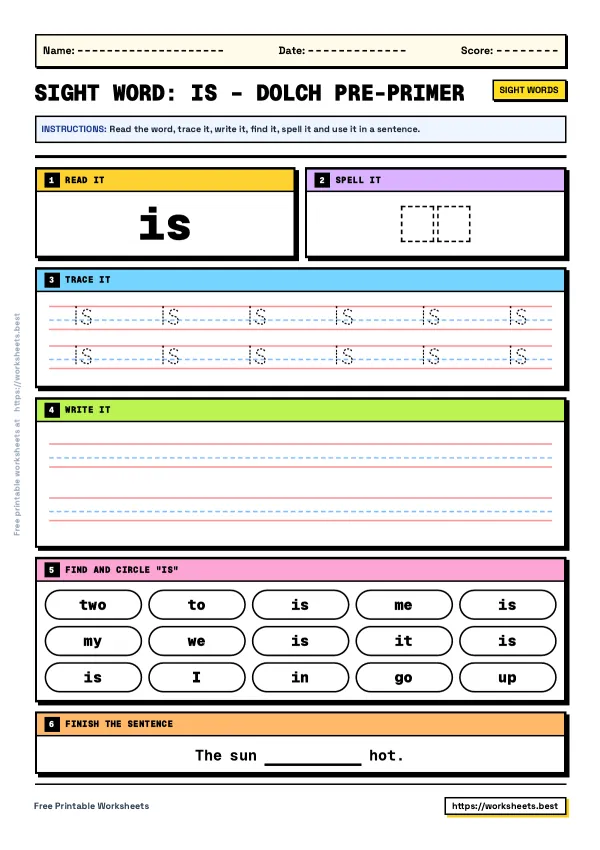
Sight Word: Is – Dolch Pre-Primer
Pre-K–KSight Words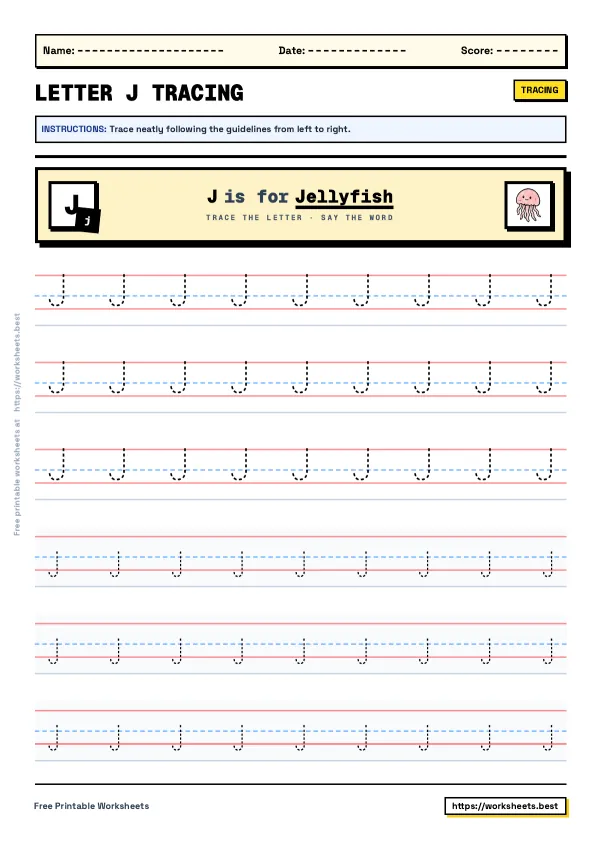
Letter J Tracing
Pre-K–KTracing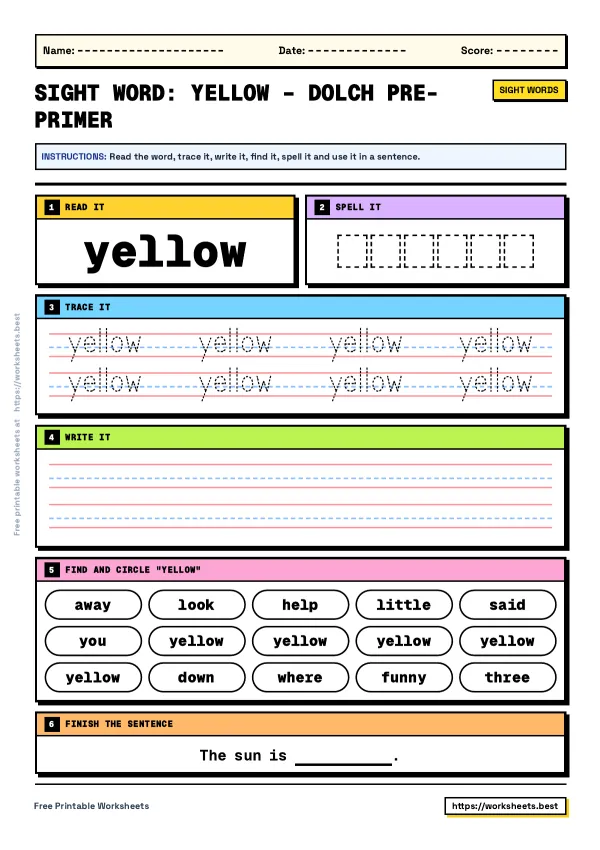
Sight Word: Yellow – Dolch Pre-Primer
Pre-K–KSight Words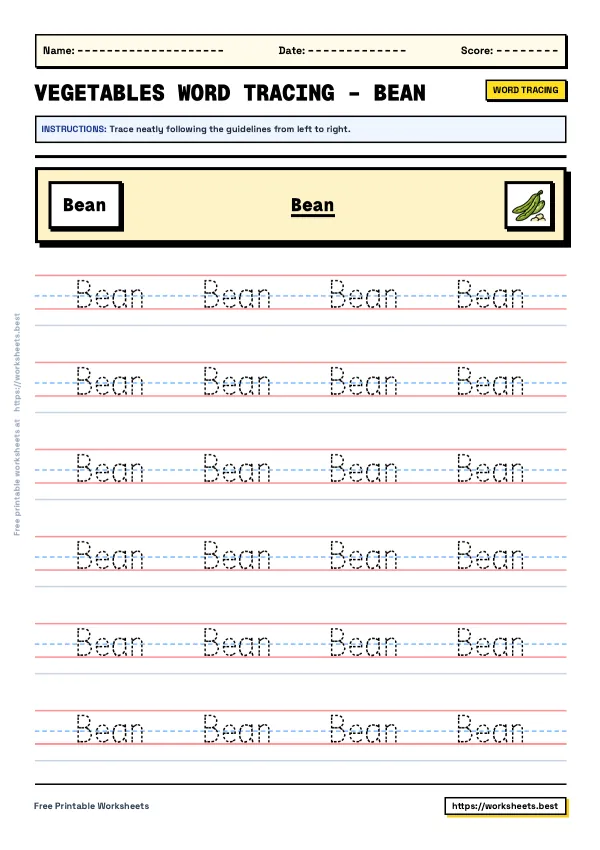
Vegetables Word Tracing – Bean
Pre-K–KTracing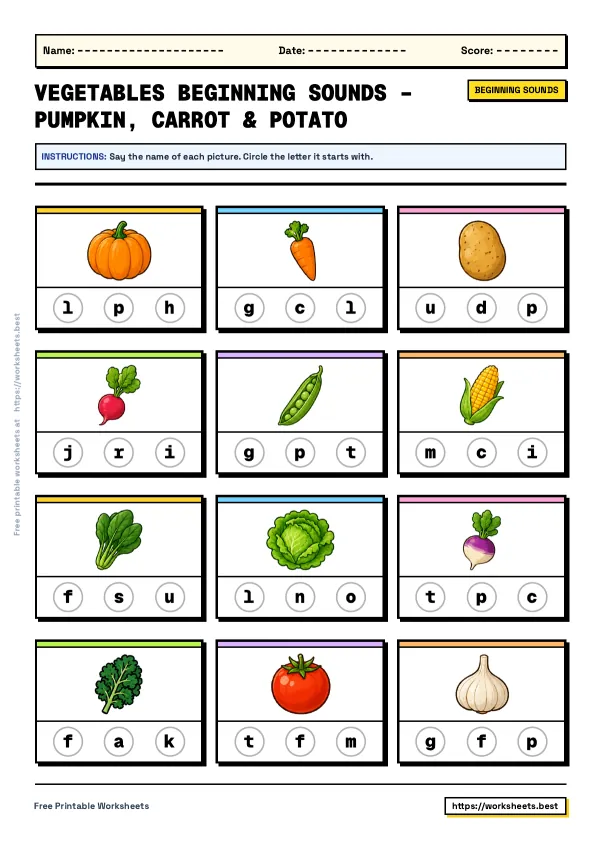
Vegetables Beginning Sounds – Pumpkin, Carrot & Potato
Pre-K–KLetter Sounds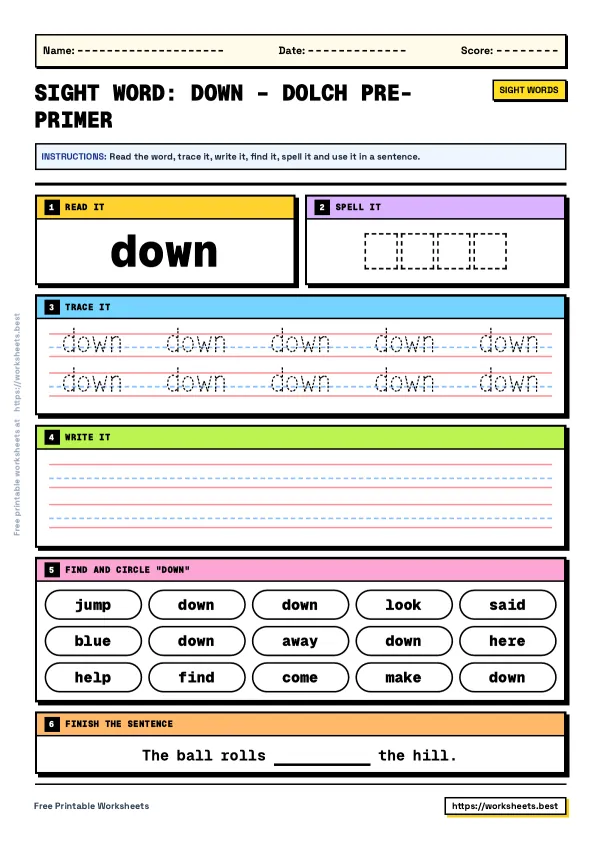
Sight Word: Down – Dolch Pre-Primer
Pre-K–KSight Words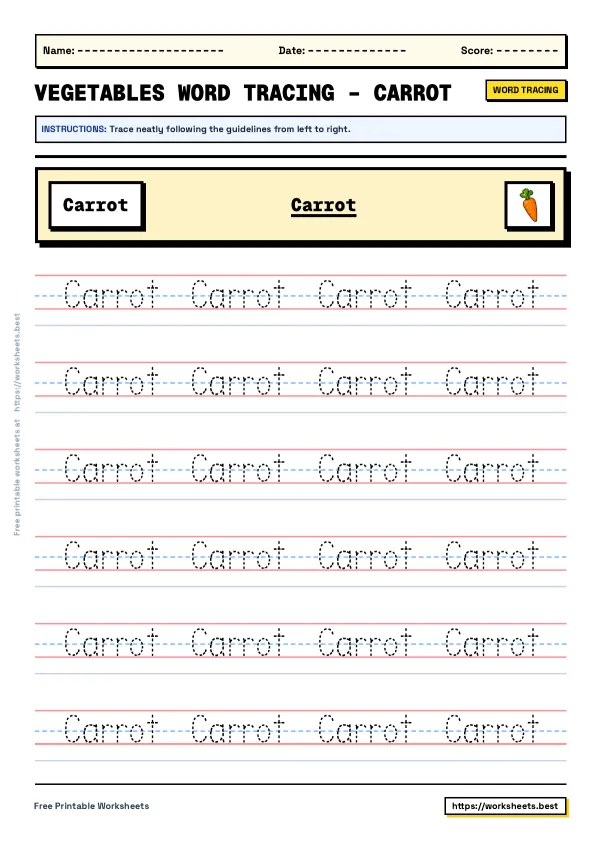
Vegetables Word Tracing – Carrot
Pre-K–KTracing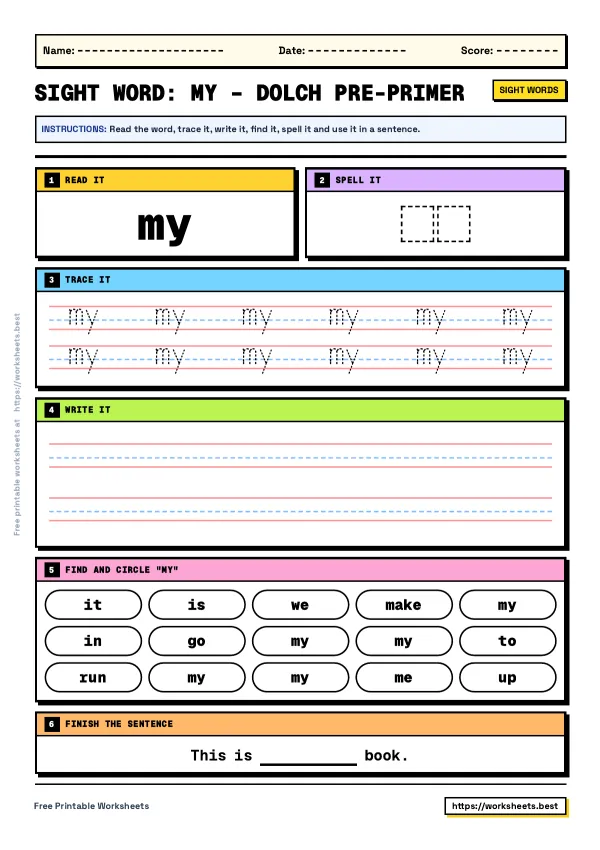
Sight Word: My – Dolch Pre-Primer
Pre-K–KSight Words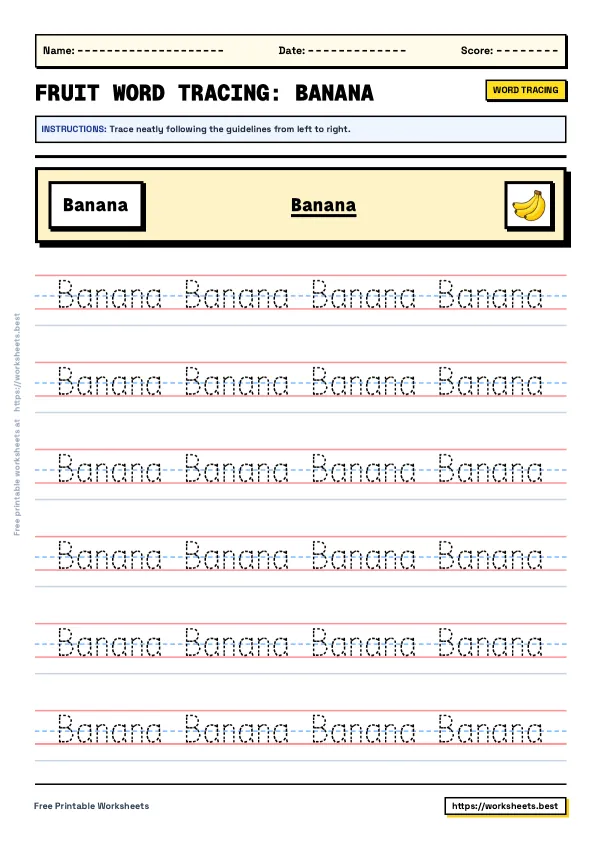
Fruit Word Tracing: Banana
Pre-KTracing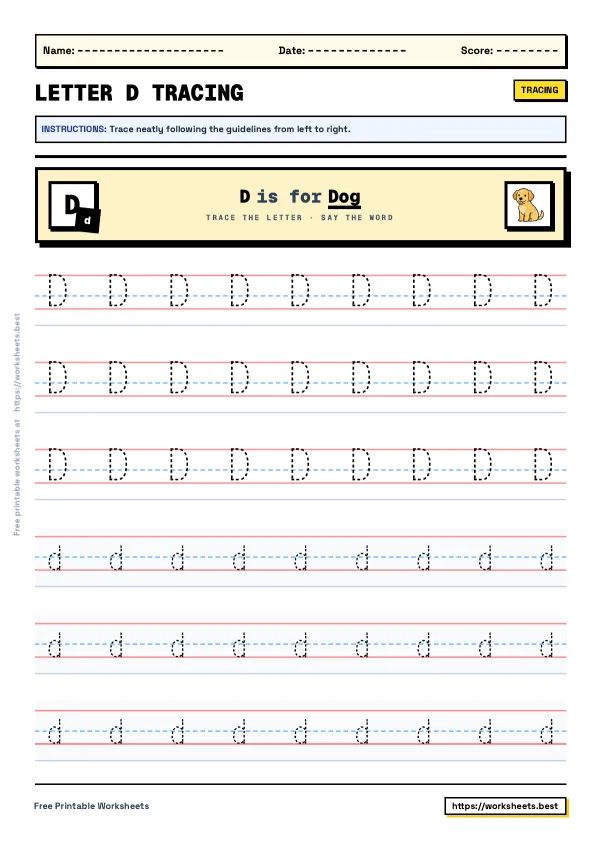
Letter D Tracing
Pre-K–KTracing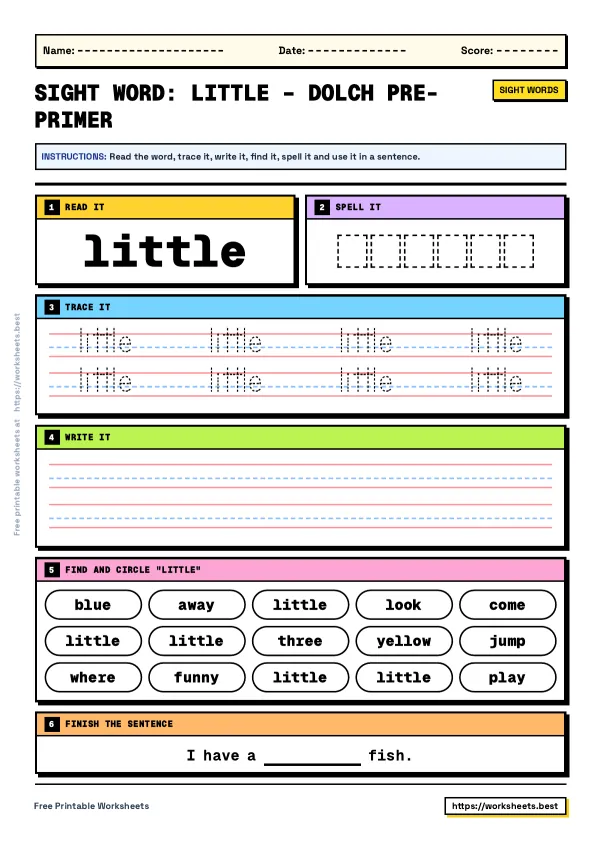
Sight Word: Little – Dolch Pre-Primer
Pre-K–KSight Words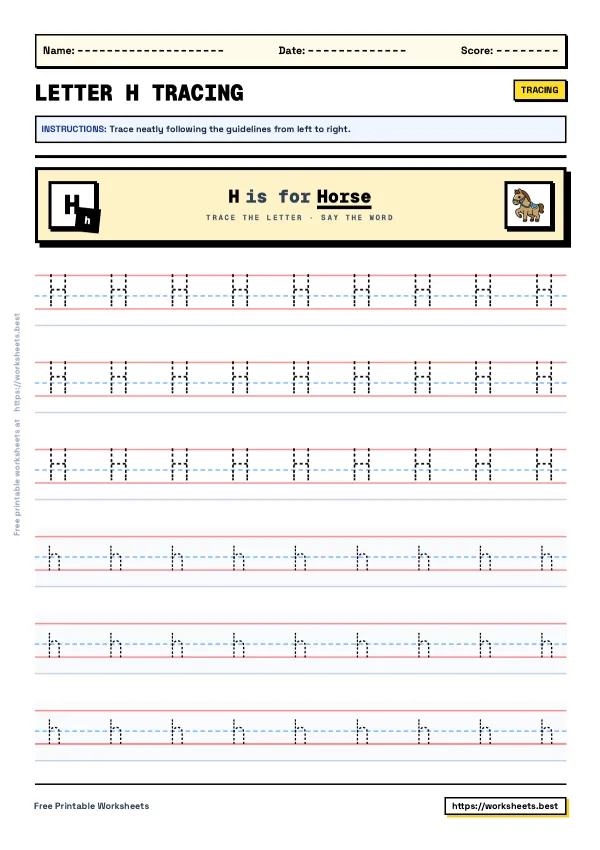
Letter H Tracing
Pre-K–KTracing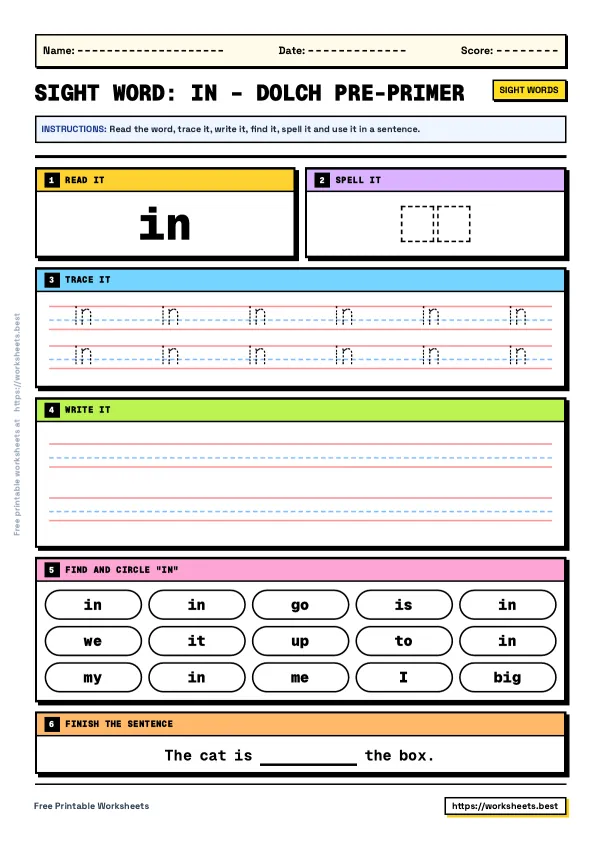
Sight Word: In – Dolch Pre-Primer
Pre-K–KSight Words
dig deeper
More Pre-K English worksheets
from teachers
Tips for parents and teachers
- Keep tracing sessions short and frequent; five to ten minutes with a chunky crayon or pencil is enough for many pre-K children to practice letter formation without tiring.
- Say the letter sound before your child traces it, then have them repeat the sound as they follow the lines. This connects letter recognition with beginning sounds.
- For sight words, read the word aloud together, spell it letter by letter, and then let the child trace it. Revisit the same few words across several days.
- Use the page themes to connect practice to real objects: name a fruit or animal from the sheet, say its first sound, and trace the word or letter together.
Questions parents ask
What reading skills should a pre-K child practice?
At this age, children benefit from letter recognition, letter sounds, beginning sounds, and simple sight words. Tracing letters and words also supports handwriting and fine motor skills.
How do I introduce sight words to a 4-year-old?
Start with a few pre-primer words, read each one aloud, and ask your child to trace it while saying the letters. Keep practice short and revisit the same words during the week.
Should pre-K children trace uppercase or lowercase letters first?
Many pre-K children begin with uppercase letters because their straight lines and curves are easier to form. Add lowercase practice when your child can hold a pencil steadily and follow the lines.
What are beginning sounds, and why do they matter?
Beginning sounds are the first sounds in spoken words. Matching those sounds to letters helps children prepare for reading and spelling.
What is the difference between letter tracing and word tracing?
Letter tracing focuses on forming one letter at a time, while word tracing asks children to form a whole word and notice its letters in order. Both support handwriting and early spelling.