Kindergarten Letter Tracing Worksheets
Tracing is often a child's first steady step toward handwriting. Our kindergarten letter tracing worksheets give children repeated practice with letter formation, letter recognition, fine motor skills and handwriting, all at a comfortable pace. The pages use a tracing format, so children follow dotted or shaded letter shapes before trying the strokes on their own. This suits children in kindergarten who are learning to hold a pencil with more control and to connect the look of a letter with the way it is written.
Read more +
A set of alphabet tracing pages introduces uppercase and lowercase letters one at a time, with room to trace and then write independently. One kind of worksheet follows the alphabet from start to finish and pairs each letter with a simple picture word, such as apple, bear or cat. Children trace the letter shapes, trace the word, and build the small hand movements that support handwriting. The letter tracing practice connects to Common Core standards L.K.1.A and RF.K.1.D. Many pages can be used in short bursts at home, at a kitchen table or in a classroom writing center, and they work well as quick morning work, small-group practice or extra review.
start with these
Featured worksheets
every sheet
All Kindergarten Letter Tracing worksheets
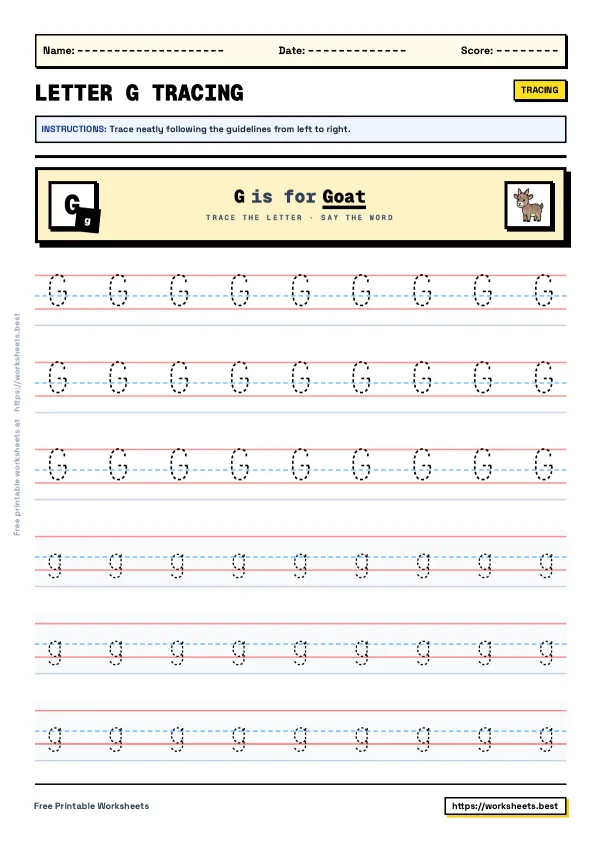
Letter G Tracing
Pre-K–KTracing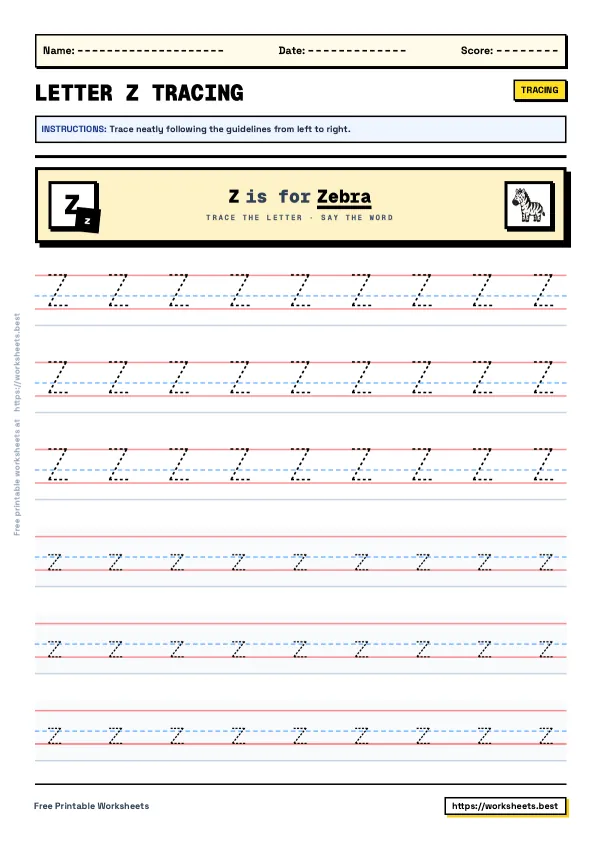
Letter Z Tracing
Pre-K–KTracing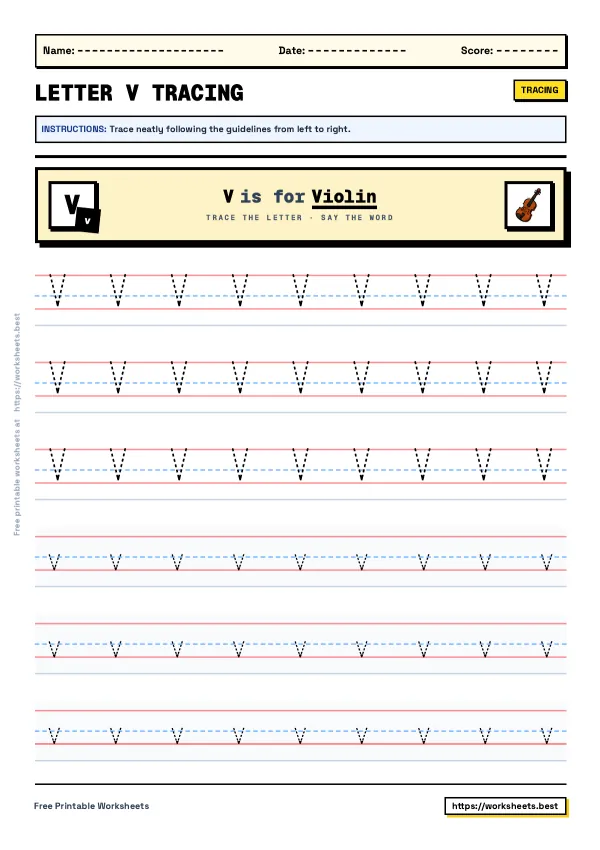
Letter V Tracing
Pre-K–KTracing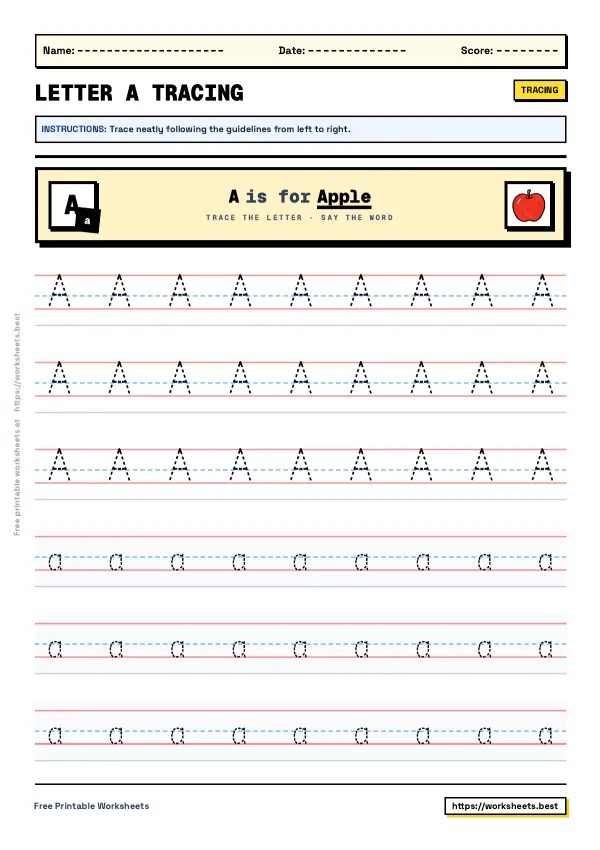
Letter A Tracing
Pre-K–KTracing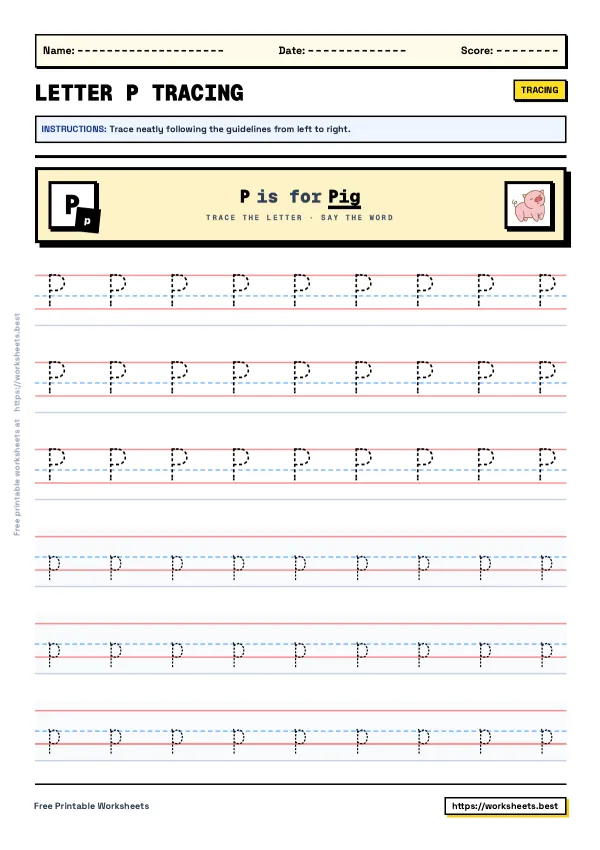
Letter P Tracing
Pre-K–KTracing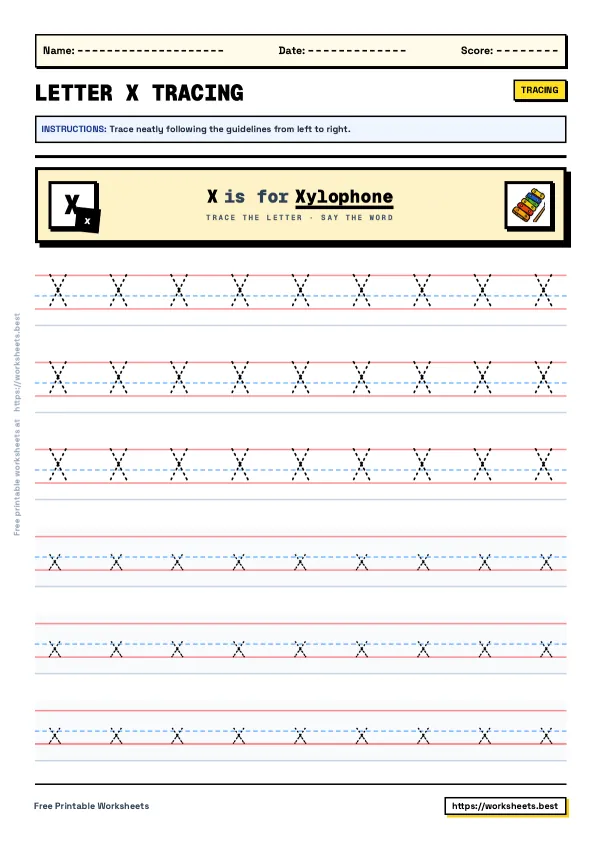
Letter X Tracing
Pre-K–KTracing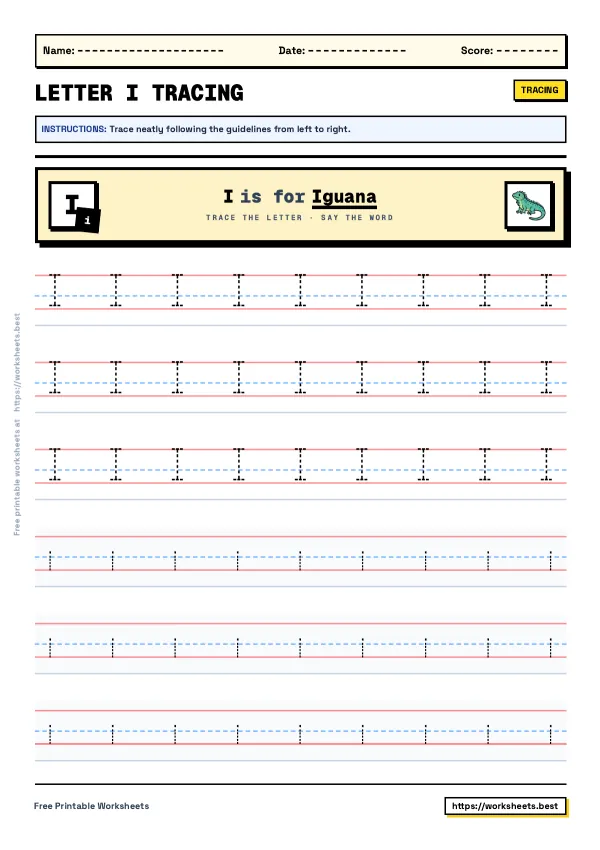
Letter I Tracing
Pre-K–KTracing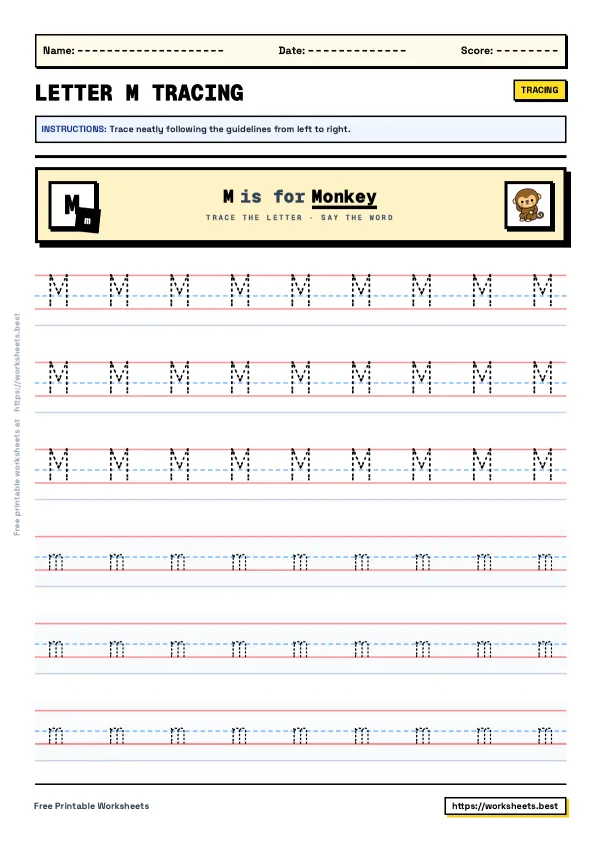
Letter M Tracing
Pre-K–KTracing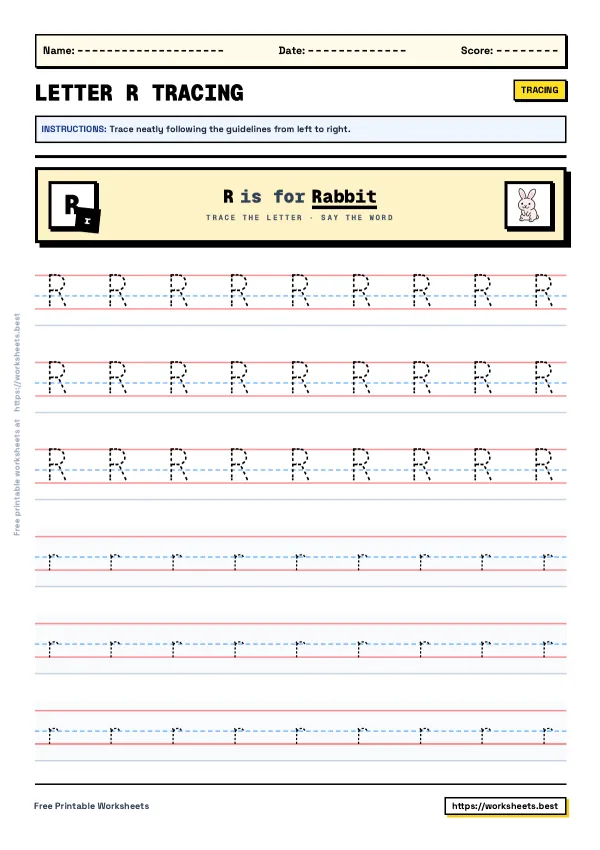
Letter R Tracing
Pre-K–KTracing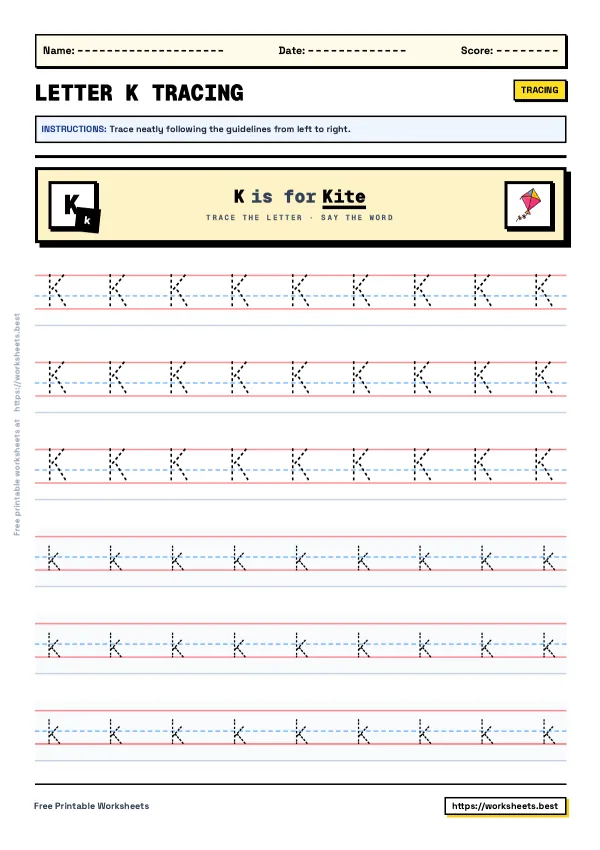
Letter K Tracing
Pre-K–KTracing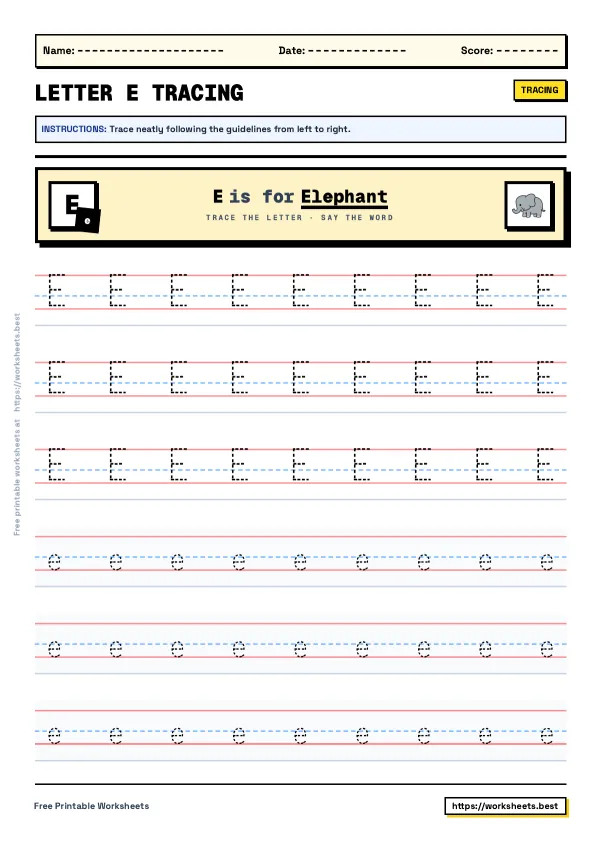
Letter E Tracing
Pre-K–KTracing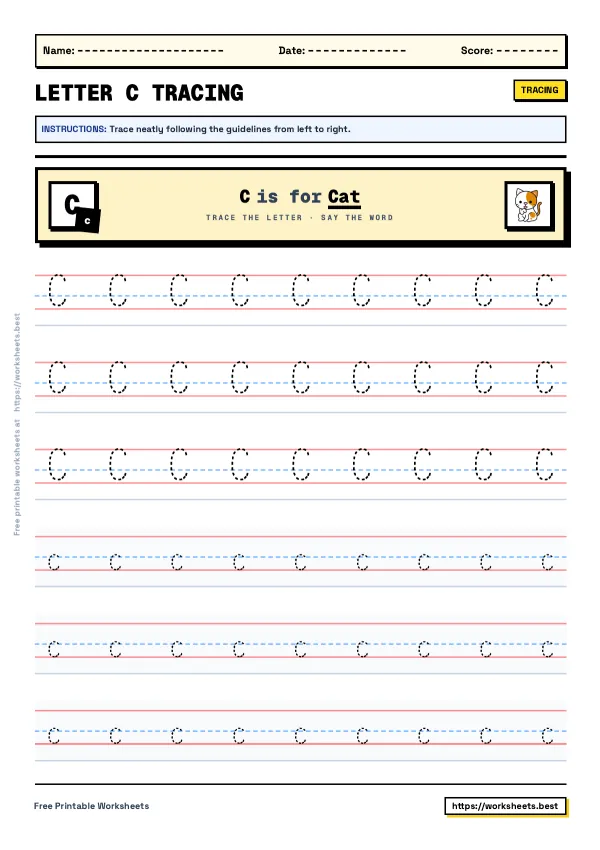
Letter C Tracing
Pre-K–KTracing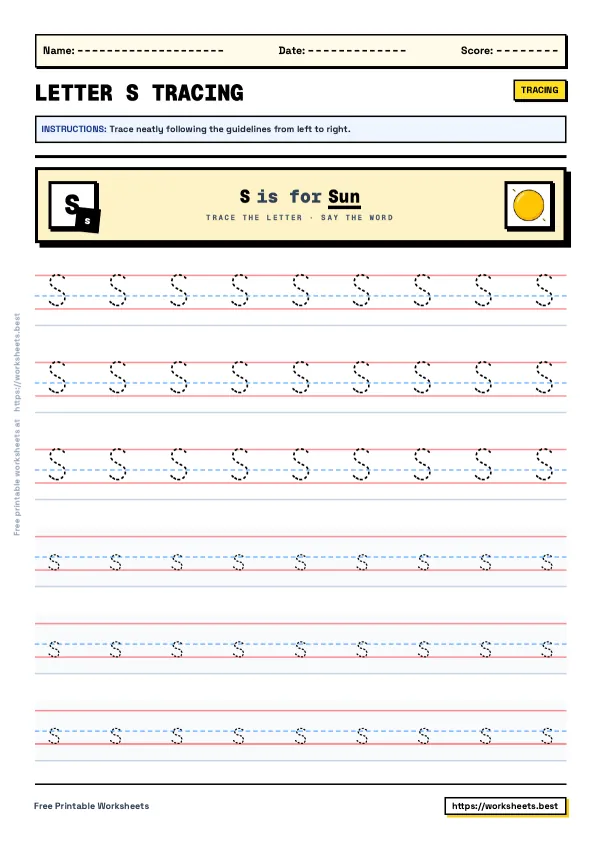
Letter S Tracing
Pre-K–KTracing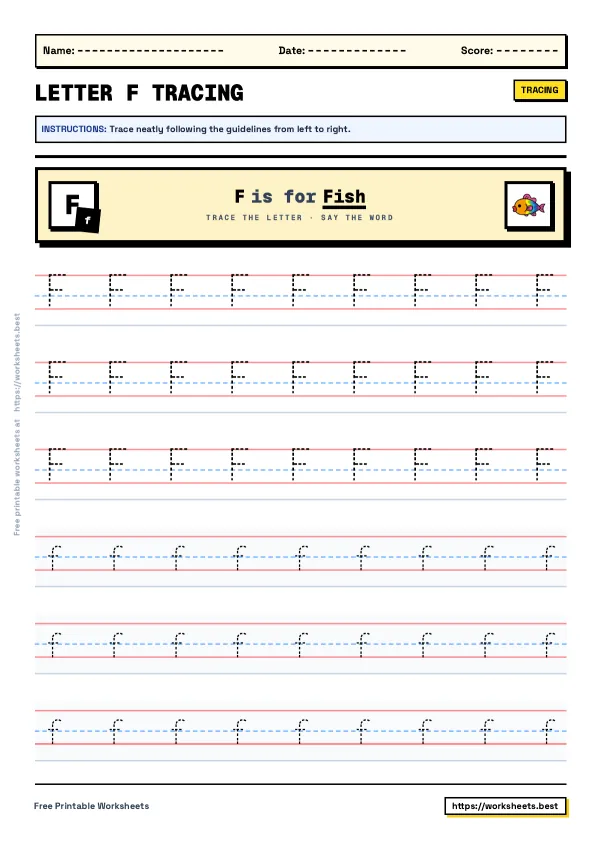
Letter F Tracing
Pre-K–KTracing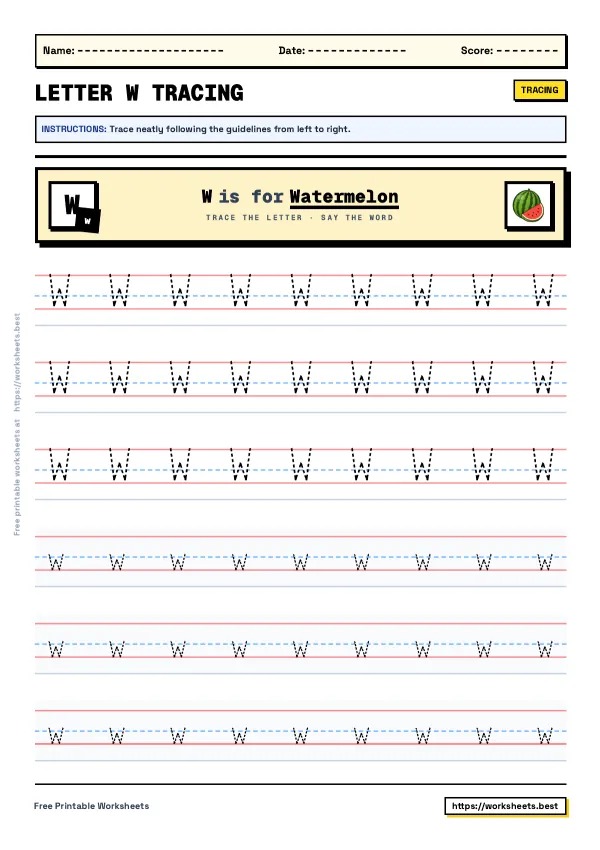
Letter W Tracing
Pre-K–KTracing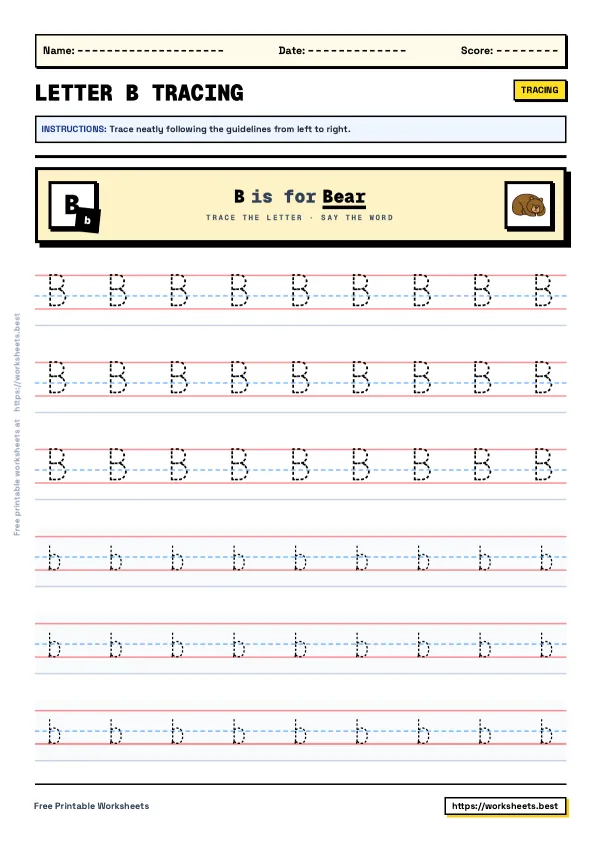
Letter B Tracing
Pre-K–KTracing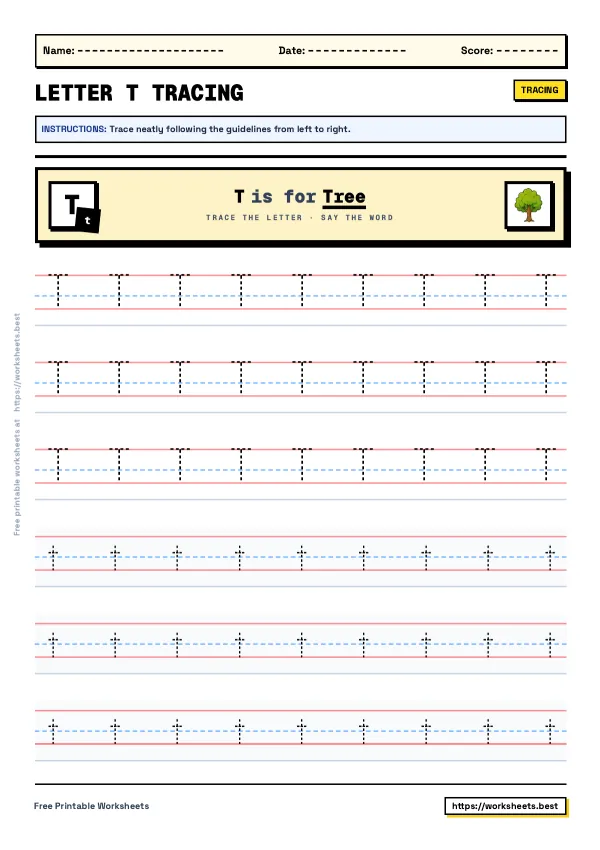
Letter T Tracing
Pre-K–KTracing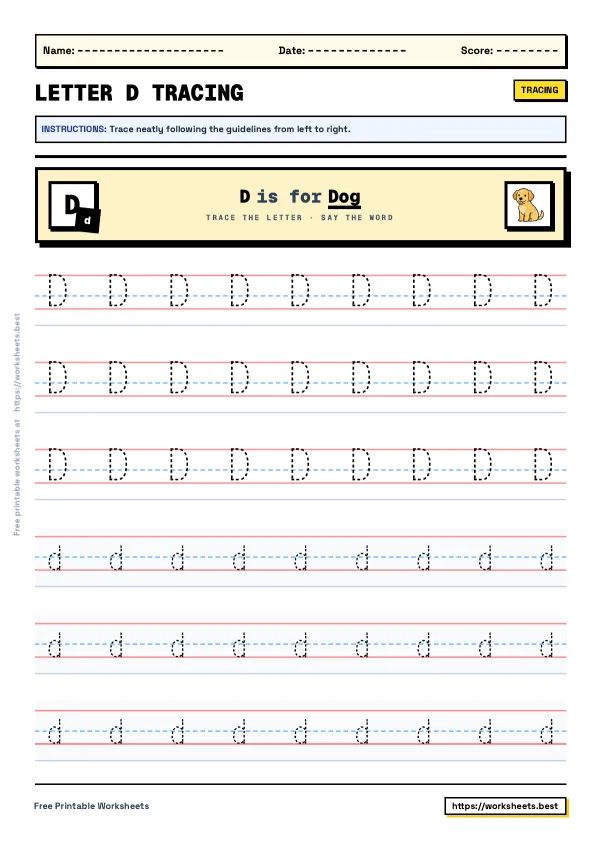
Letter D Tracing
Pre-K–KTracing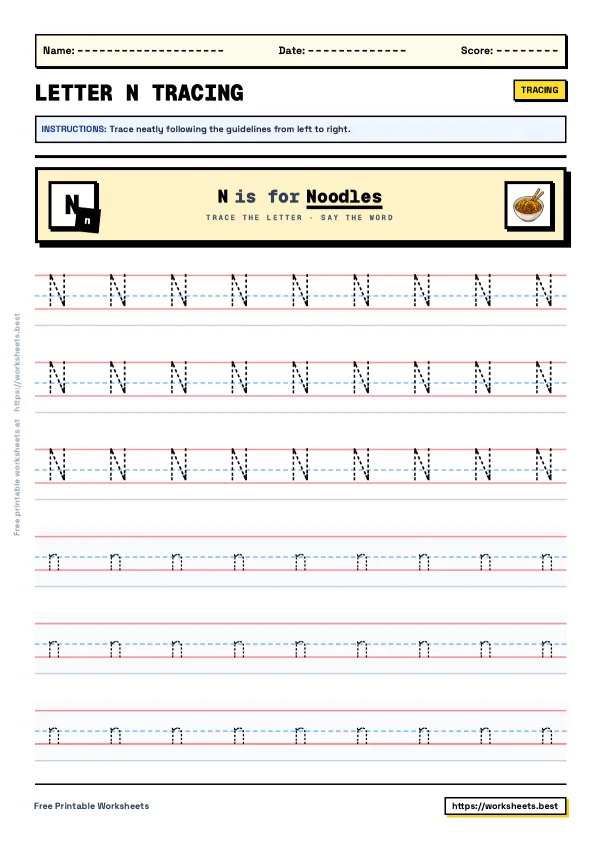
Letter N Tracing
Pre-K–KTracing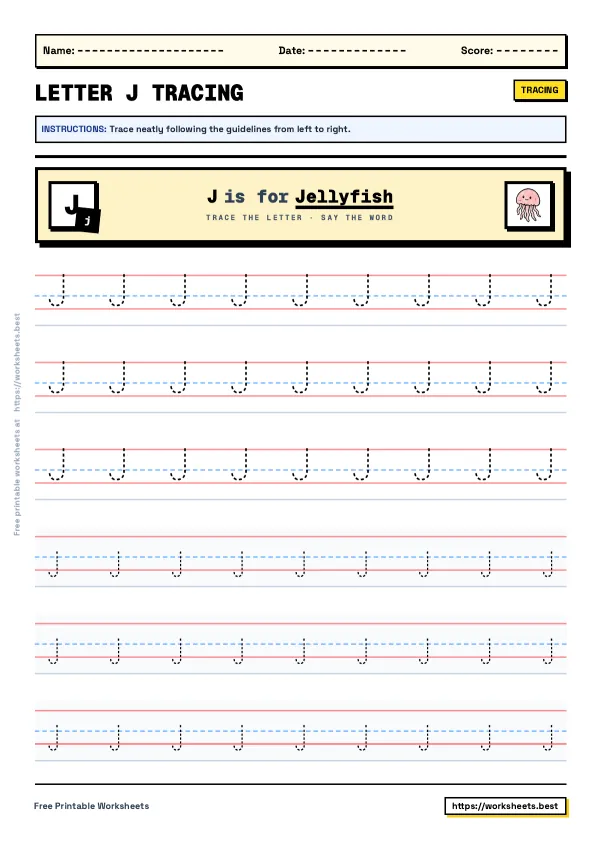
Letter J Tracing
Pre-K–KTracing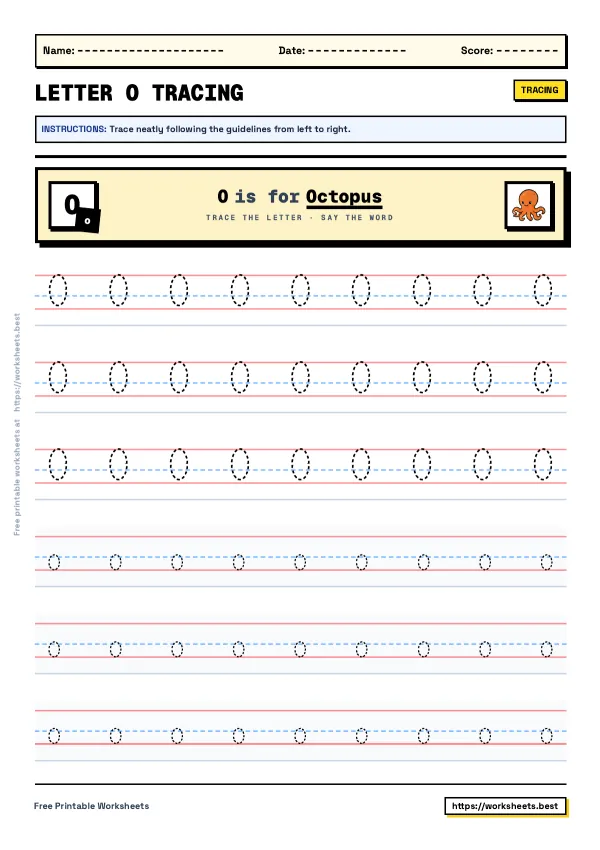
Letter O Tracing
Pre-K–KTracing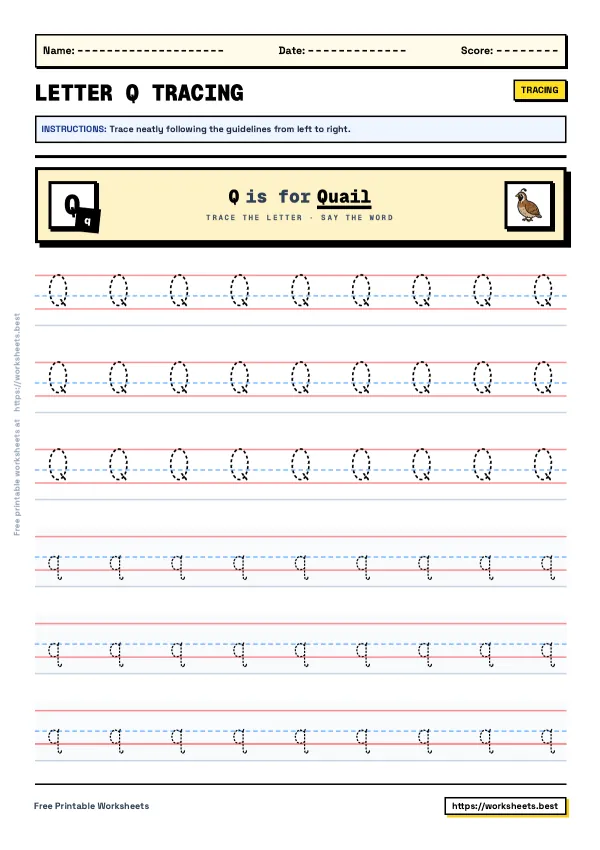
Letter Q Tracing
Pre-K–KTracing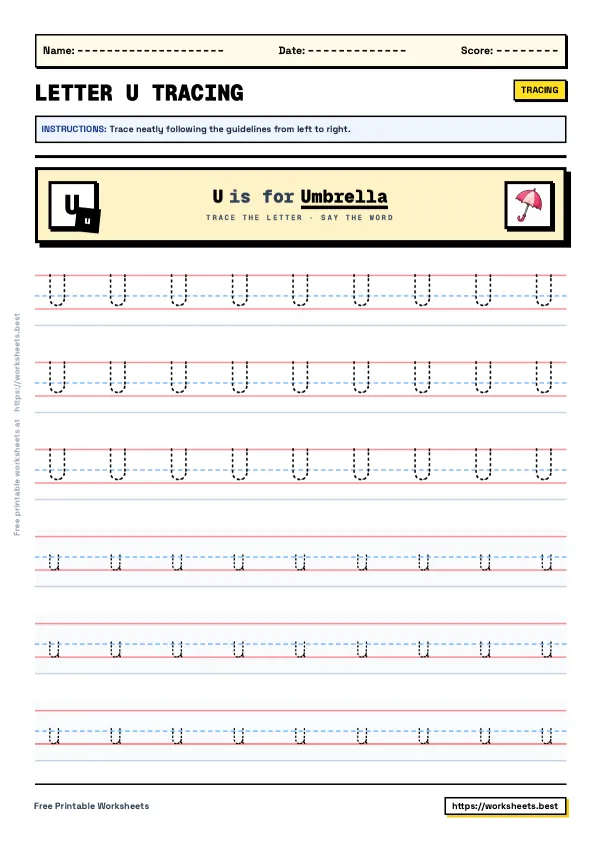
Letter U Tracing
Pre-K–KTracing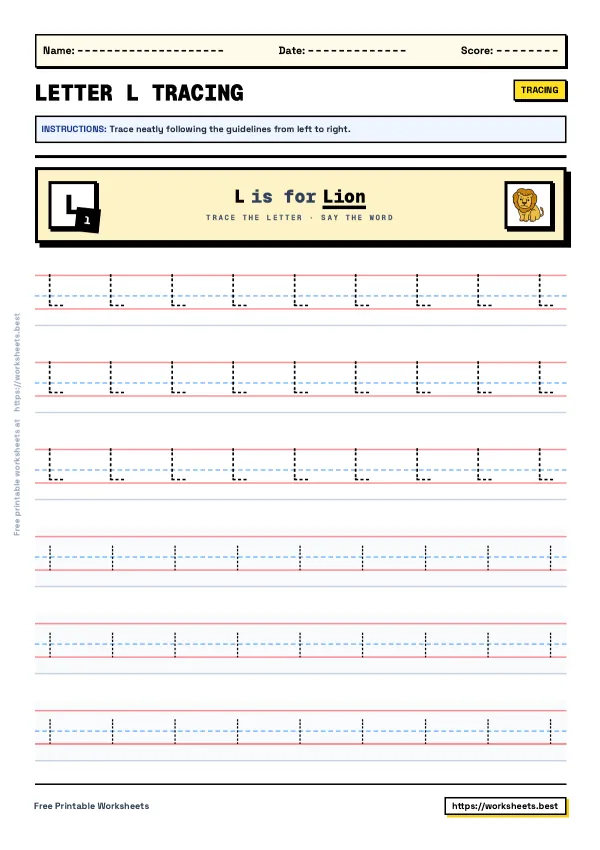
Letter L Tracing
Pre-K–KTracing
from teachers
Tips for parents and teachers
- Begin with large letters and short strokes, then move to smaller lines once your child can follow the shape without rushing.
- Ask your child to trace slowly and say the letter name or sound as they go; this links letter recognition with the hand movement.
- Keep sessions short, around five to ten minutes, and stop before the hand tires so tracing stays comfortable.
- For left-handed children, place the page slightly to their left and check that the pencil hand can move freely across the line.
Questions parents ask
What age is kindergarten letter tracing for?
It fits children in kindergarten who are learning to form letters and hold a pencil with control. Children who need more support can start with large letters, while those ready for more can copy letters without dotted guides.
Should my child trace uppercase or lowercase letters first?
Many kindergarten programs introduce uppercase letters first because their straight lines are easier to form, then move to lowercase letters. The alphabet tracing pages cover both, so your child can practice the matching pair together.
How can I help my child hold a pencil correctly while tracing?
Encourage a comfortable grip with the thumb and index finger pinching the pencil and the middle finger resting behind it. Short tracing sessions and a slanted surface can help, and left-handed children may need the page shifted slightly to their left.
What skills does letter tracing build?
Tracing supports letter formation, letter recognition, handwriting and fine motor skills. It also helps children learn the direction of each stroke before they write letters from memory.
How long should a kindergarten tracing session last?
A few minutes of focused tracing is usually enough for a kindergarten child, and stopping before the hand tires keeps practice positive. Short, regular sessions are more useful than one long sitting.