Pre-K Math Worksheets
Little hands learn to count long before they can write a sentence, and the Pre-K Math Worksheets here give them many ways to practice. Dozens of sheets cover counting, number tracing and number sense, with themes that follow the year, from Christmas and Thanksgiving to winter and Halloween, plus animals, birds, food, fruits, insects and sea animals.
Read more +
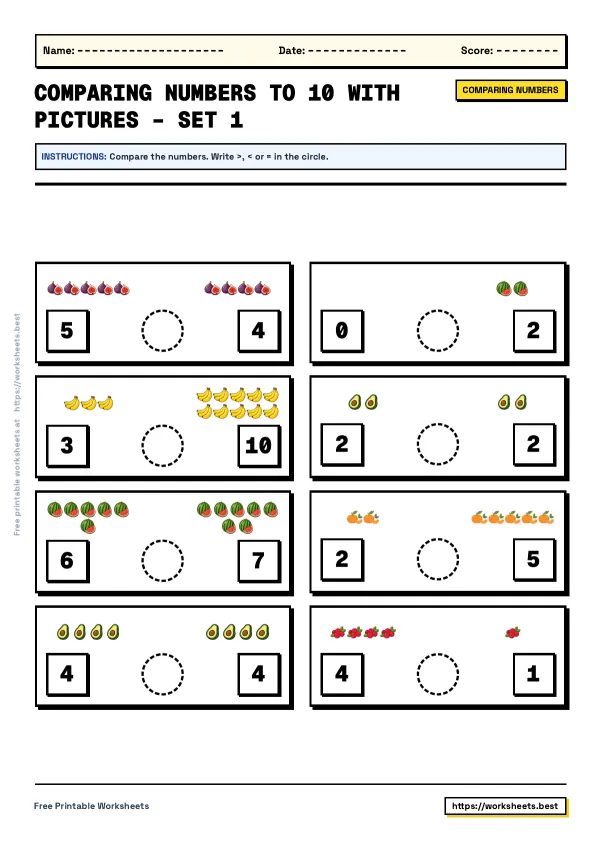
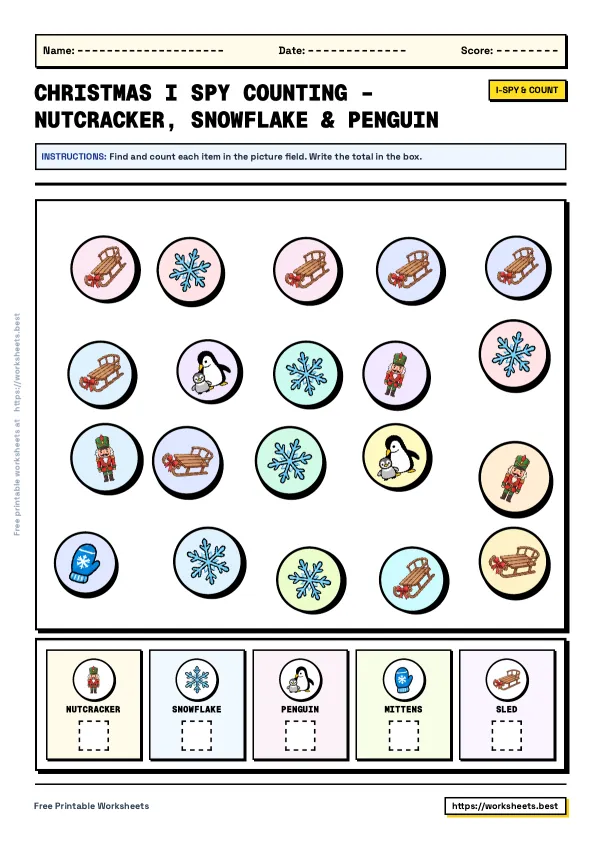
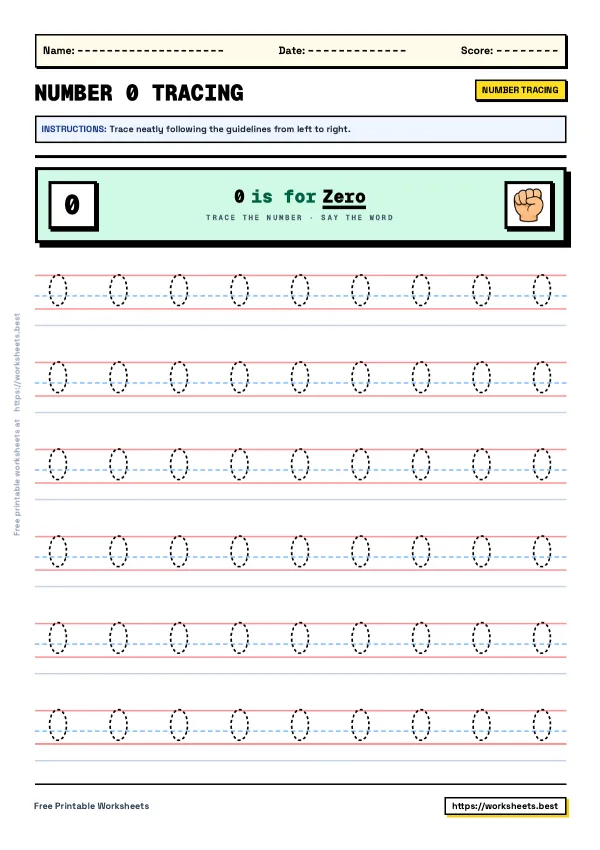
Sheets come in three formats. I Spy counting grids ask a child to find each small picture and count how many there are, like a winter scene with an owl, a scarf and a sweater. Tracing pages work through the numbers 0 to 9 so children build number formation and handwriting habits, and number sense sheets ask them to compare groups of pictures up to 10. Visual discrimination, fine motor control and number recognition all get practice along the way.
Print a few pages for a quiet morning at home, or set out a stack at a math center for the whole class. Answer keys are included for most worksheets, so an adult can check work quickly or a child can check their own. Crayons, a pencil and a clipboard are all you need.
every sheet
All Pre-K Math worksheets
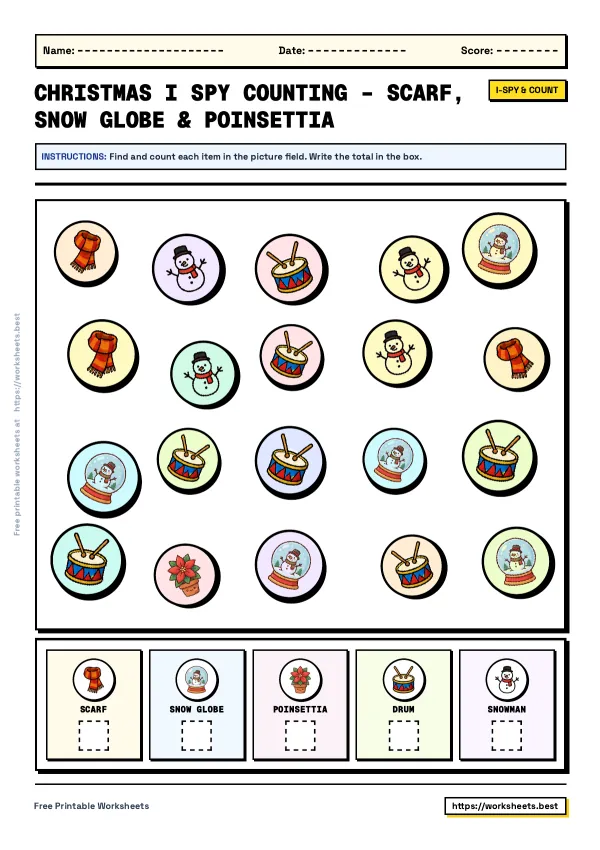
Christmas I Spy Counting – Scarf, Snow Globe & Poinsettia
Pre-K–KI Spy Counting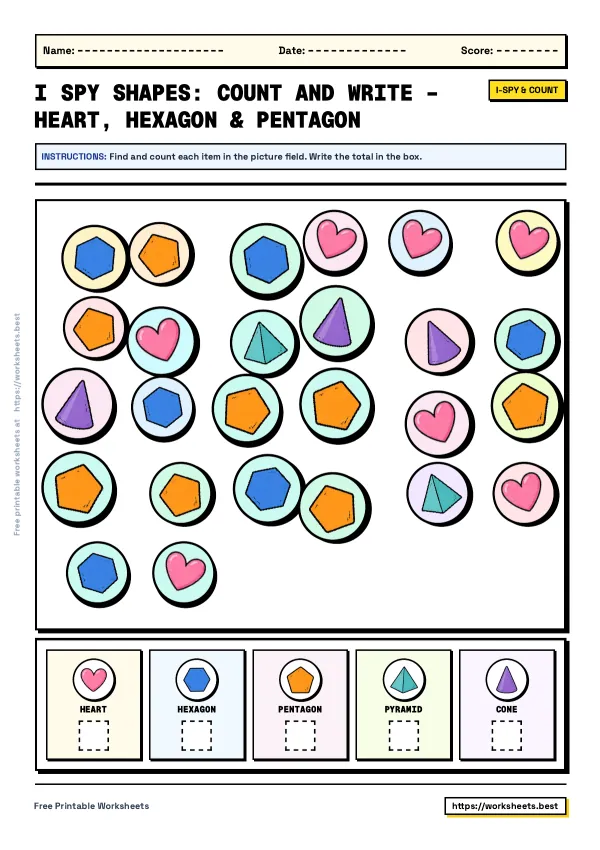
I Spy Shapes: Count and Write – Heart, Hexagon & Pentagon
Pre-K–KI Spy Counting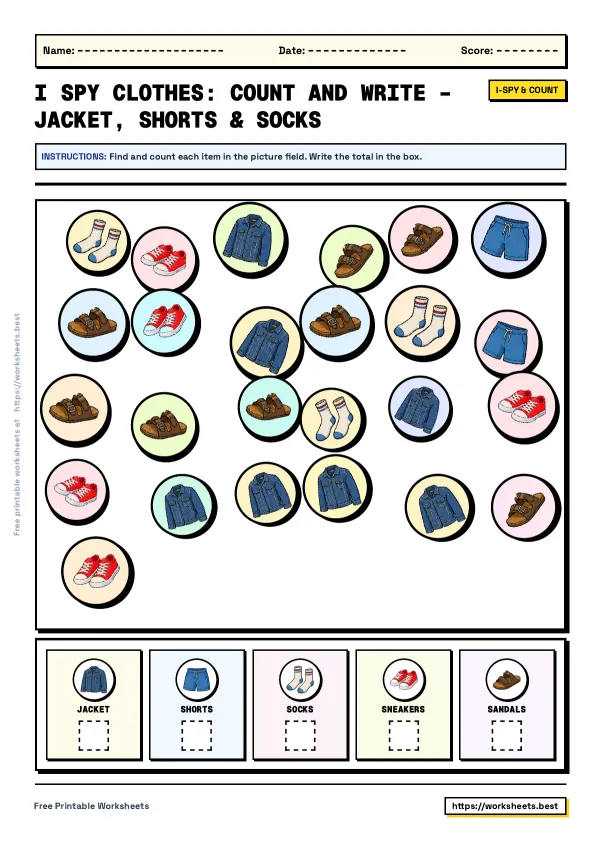
I Spy Clothes: Count and Write – Jacket, Shorts & Socks
Pre-K–KI Spy Counting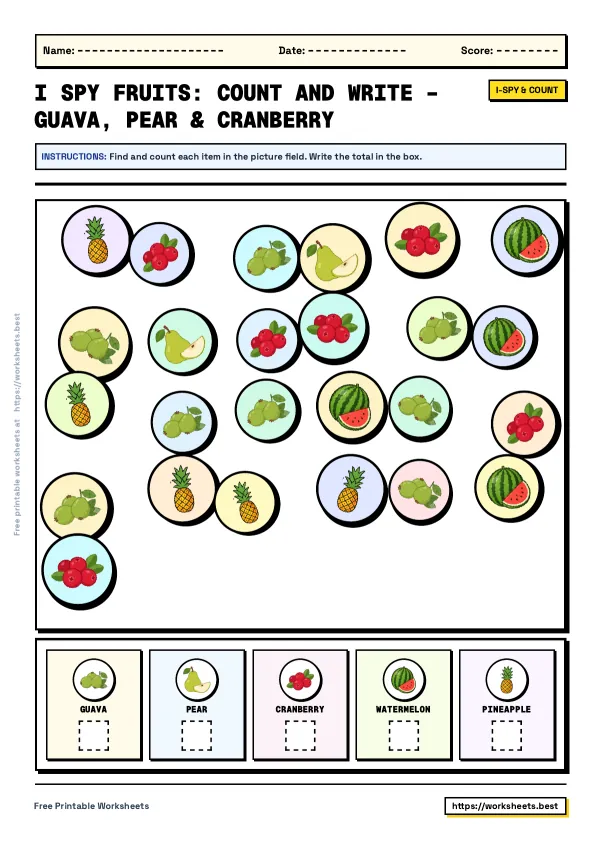
I Spy Fruits: Count and Write – Guava, Pear & Cranberry
Pre-K–KI Spy Counting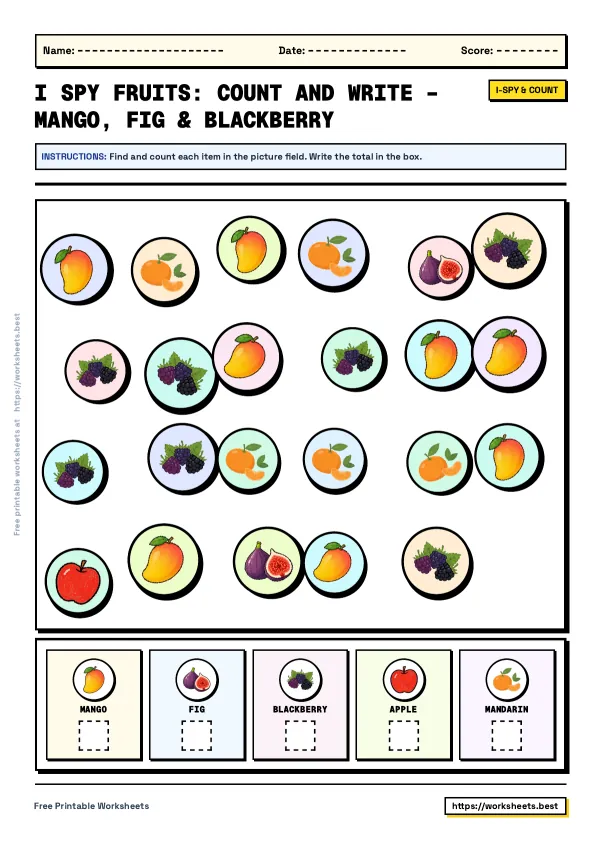
I Spy Fruits: Count and Write – Mango, Fig & Blackberry
Pre-K–KI Spy Counting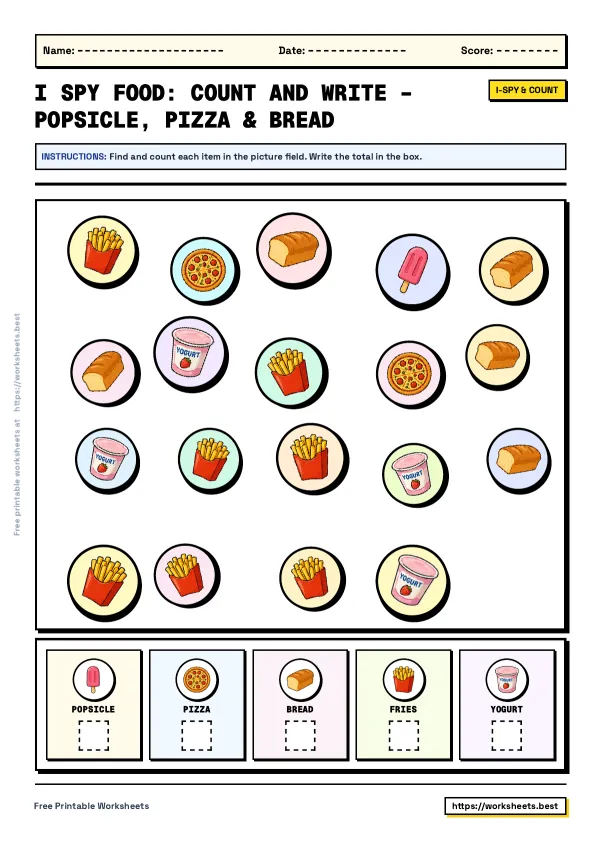
I Spy Food: Count and Write – Popsicle, Pizza & Bread
Pre-K–KI Spy Counting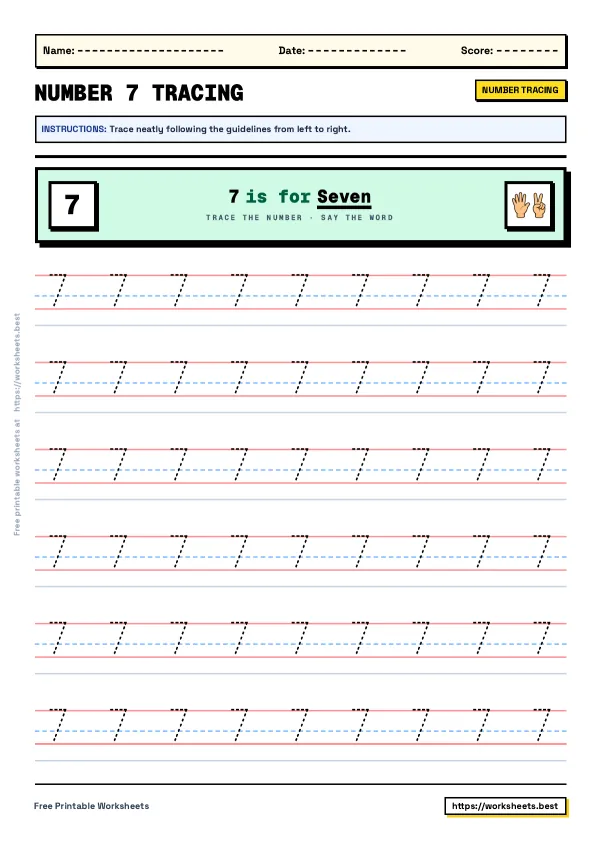
Number 7 Tracing
Pre-K–KTracing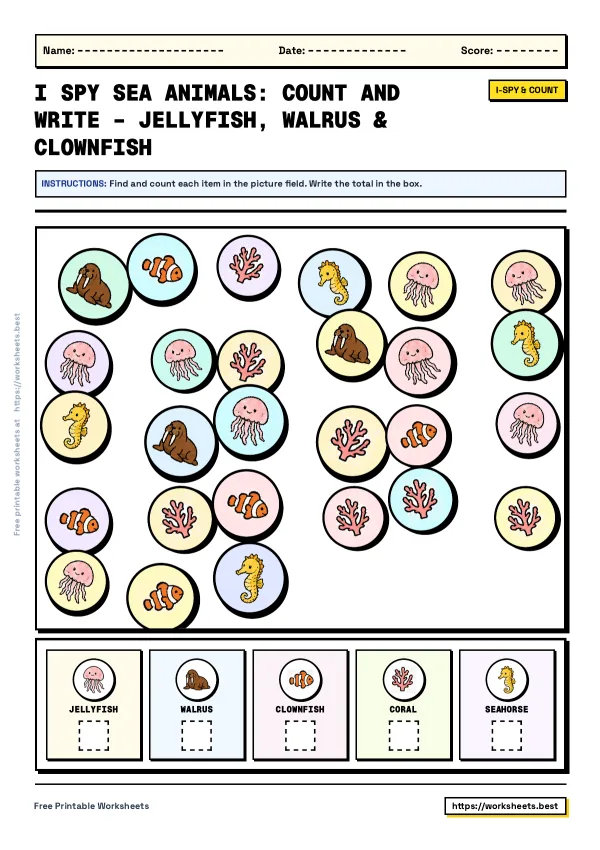
I Spy Sea Animals: Count and Write – Jellyfish, Walrus & Clownfish
Pre-K–KI Spy Counting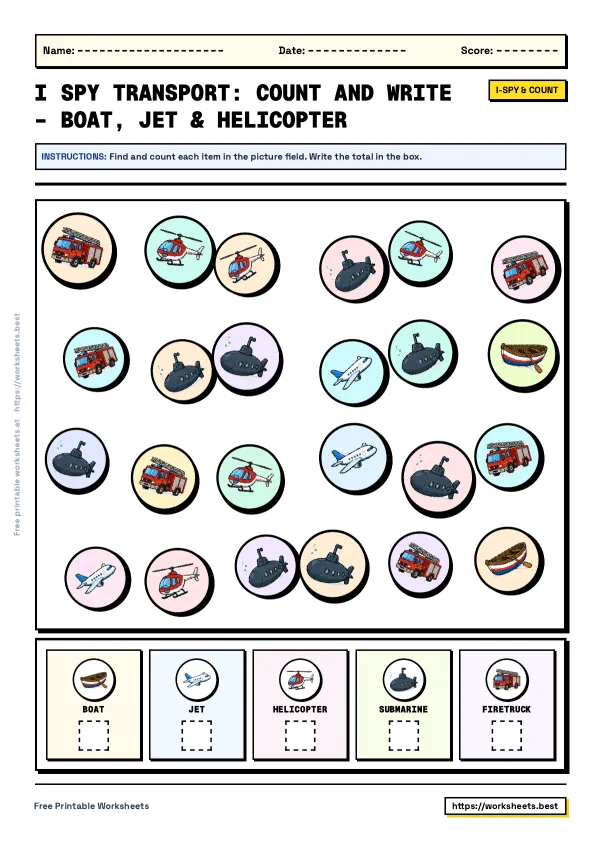
I Spy Transport: Count and Write – Boat, Jet & Helicopter
Pre-K–KI Spy Counting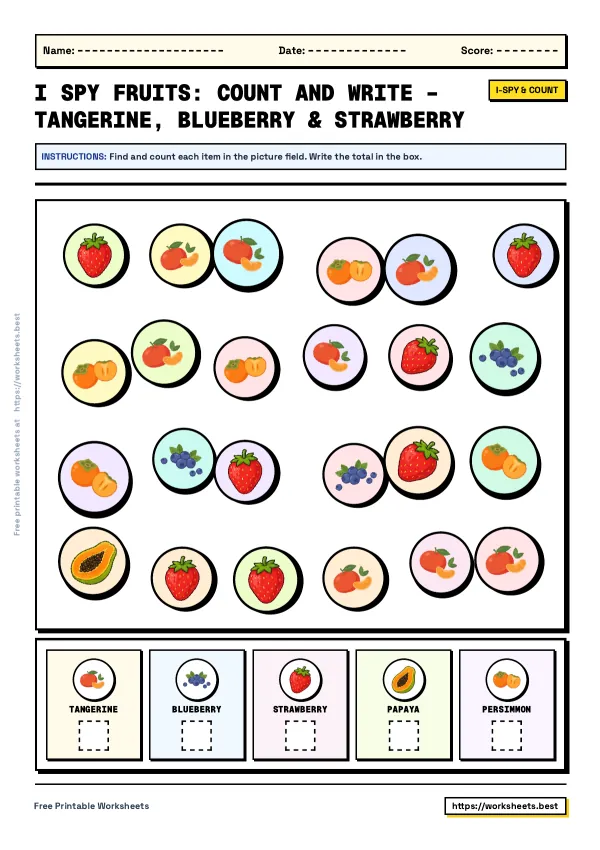
I Spy Fruits: Count and Write – Tangerine, Blueberry & Strawberry
Pre-K–KI Spy Counting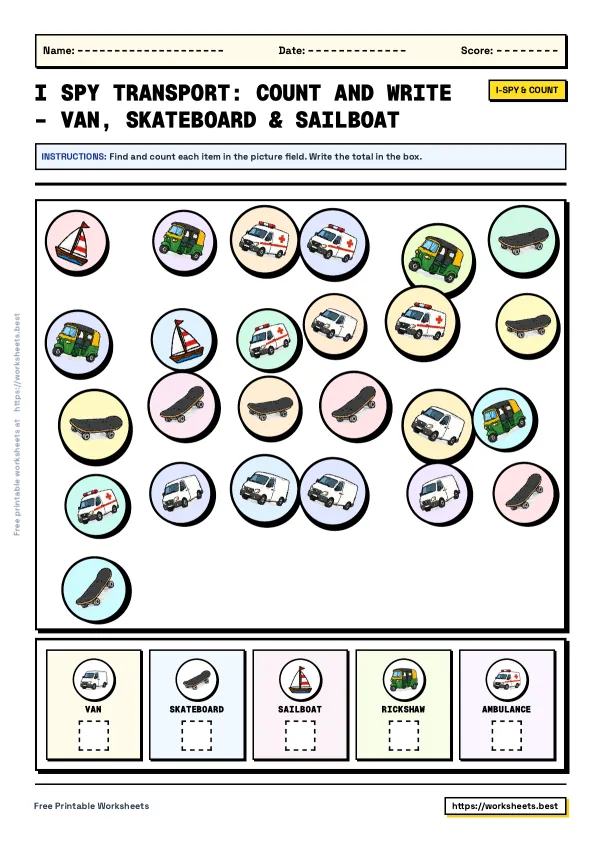
I Spy Transport: Count and Write – Van, Skateboard & Sailboat
Pre-K–KI Spy Counting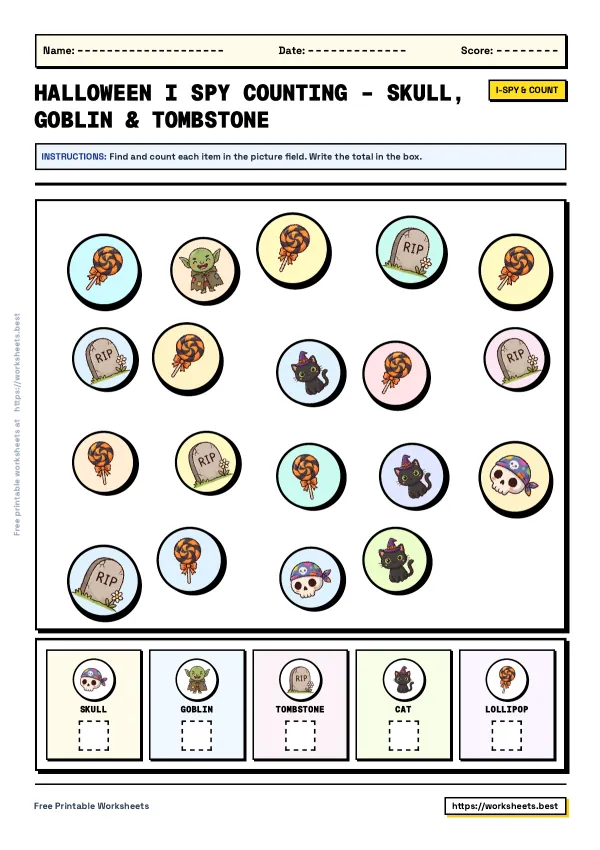
Halloween I Spy Counting – Skull, Goblin & Tombstone
Pre-K–KI Spy Counting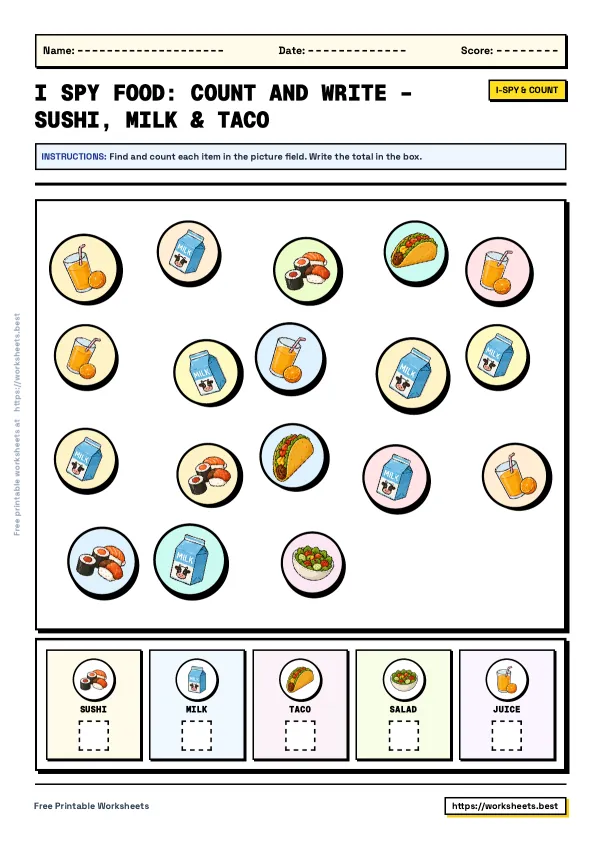
I Spy Food: Count and Write – Sushi, Milk & Taco
Pre-K–KI Spy Counting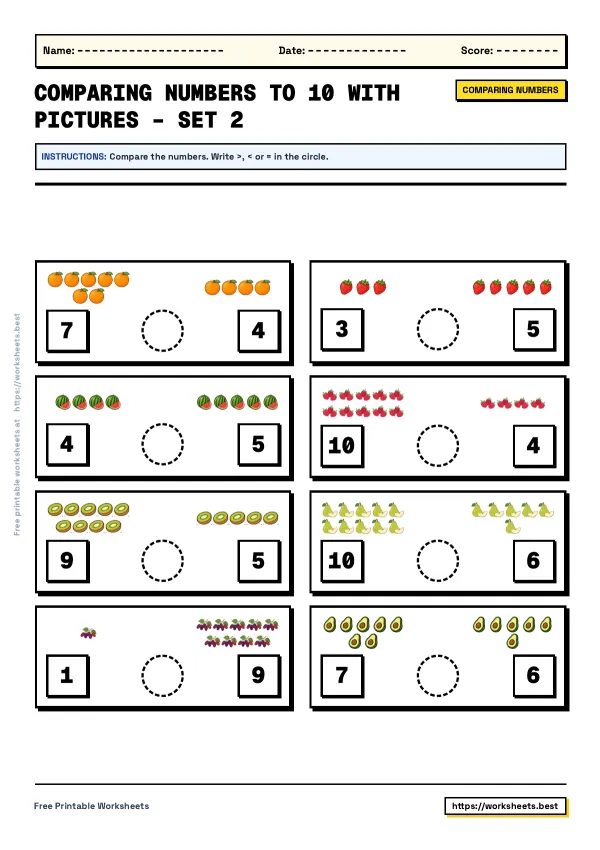
Comparing Numbers to 10 with Pictures – Set 2
Pre-K–KNumber Sense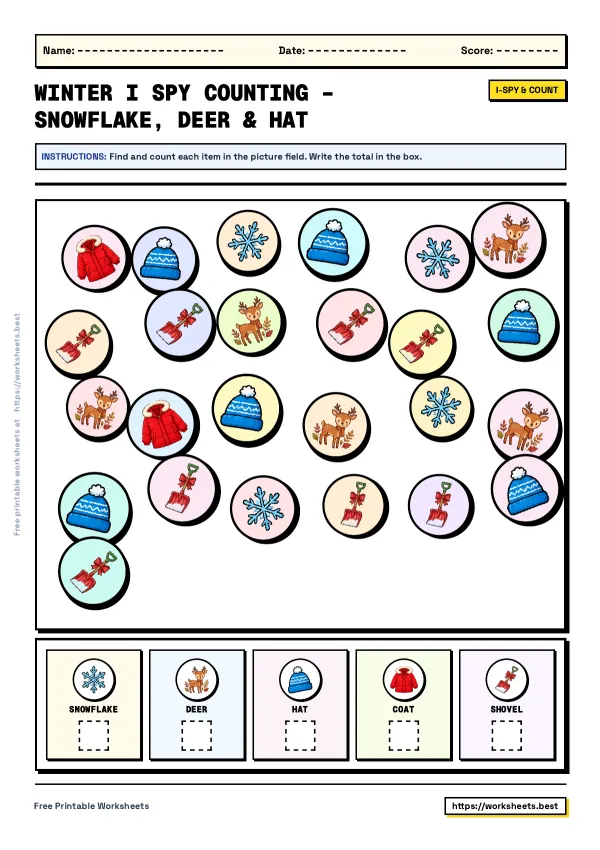
Winter I Spy Counting – Snowflake, Deer & Hat
Pre-K–KI Spy Counting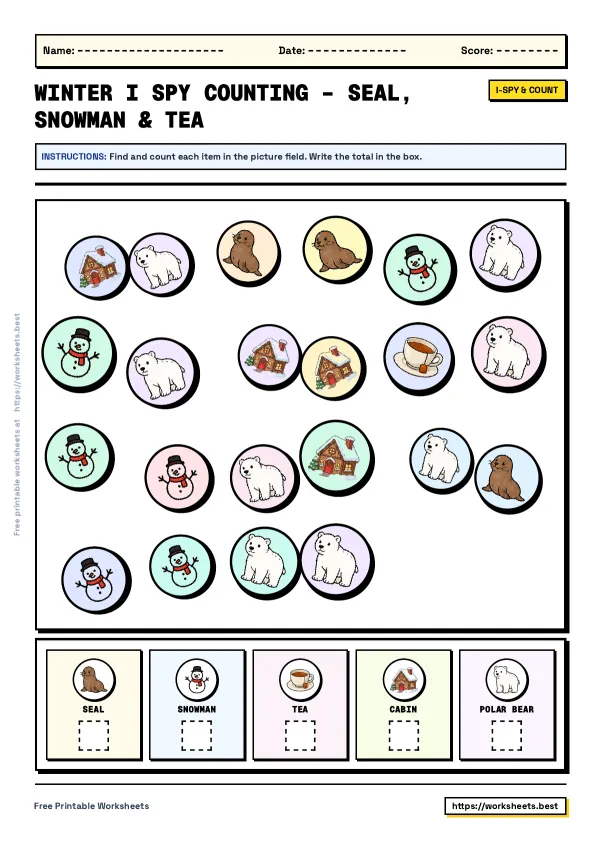
Winter I Spy Counting – Seal, Snowman & Tea
Pre-K–KI Spy Counting
Number 4 Tracing
Pre-K–KTracing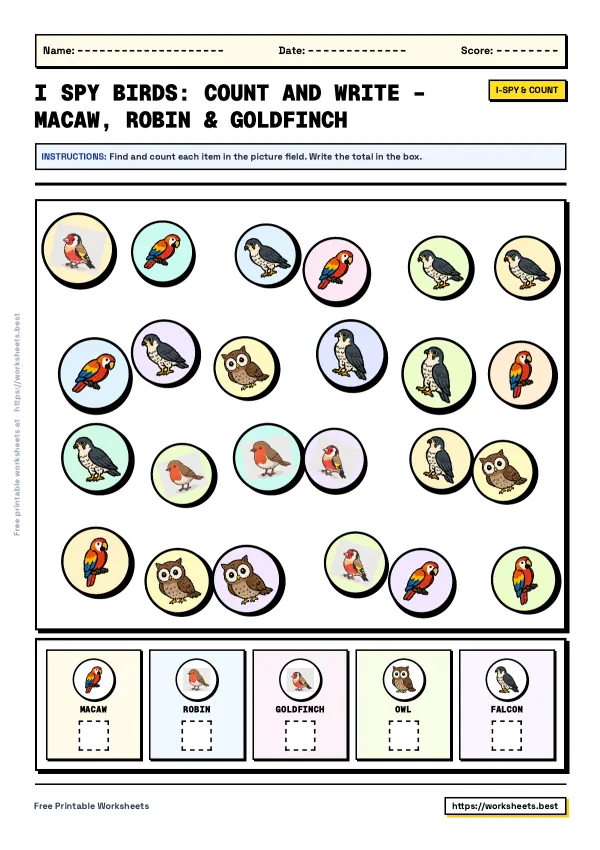
I Spy Birds: Count and Write – Macaw, Robin & Goldfinch
Pre-K–KI Spy Counting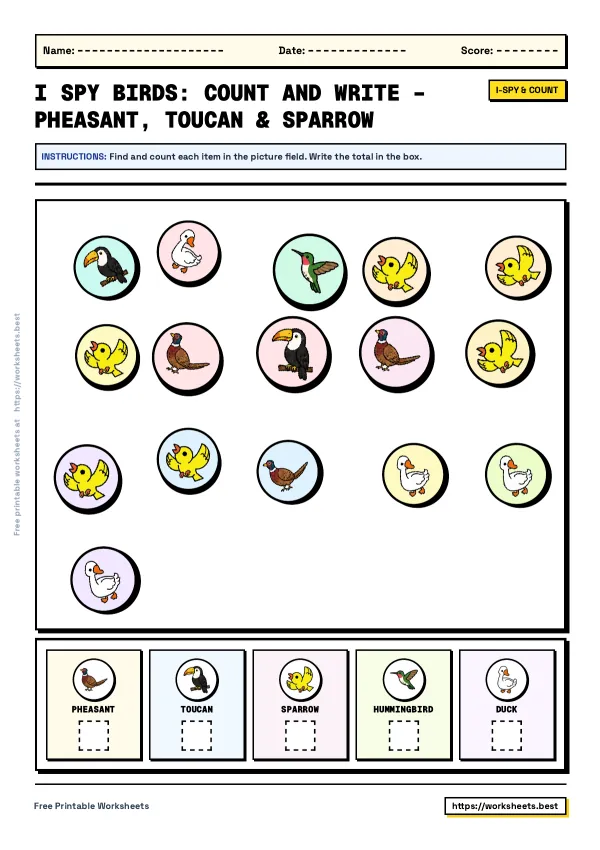
I Spy Birds: Count and Write – Pheasant, Toucan & Sparrow
Pre-K–KI Spy Counting
dig deeper
More Pre-K Math worksheets
from teachers
Tips for parents and teachers
- Count aloud together and touch each picture once before your child writes anything; one-to-one matching is the skill underneath every I Spy grid.
- On tracing pages, have your child trace the number in the air first, with a big arm movement, so the shape is familiar before the pencil meets the paper.
- Keep sessions to five or ten minutes with just a few numbers, and stop while your child is still enjoying it rather than at the end of the page.
- Set out blocks, buttons or cereal beside the comparing sheets so children can line up real objects and see which group has more before answering on paper.
Questions parents ask
What math should a 4-year-old know before kindergarten?
Most four-year-olds are learning to count to 10 with one number per object, recognize a few written numerals and say which of two small groups has more. Counting and comparing pictures on paper supports the same skills, including standard K.CC.B.5.
What is an I Spy counting worksheet?
It shows a busy picture or grid of small images, and the child finds each one and counts how many times it appears. Recording the total turns a spotting game into counting and number writing practice.
How can I help my child hold a pencil for number tracing?
Offer a short, chunky crayon or pencil and model the grip yourself. Small hands tire quickly, so a few traced numbers per sitting is plenty, and letter and number formation improve with short, repeated practice.
Should preschoolers trace numbers or write them freehand?
Tracing first, freehand later. Following a dotted model teaches the direction and order of strokes, and children move to independent writing once the movement feels automatic.
How do teachers use these sheets in a preschool math center?
Print a themed set, slip the pages into plastic sleeves and add dry-erase markers so several children can reuse them. A seasonal theme such as winter or Thanksgiving keeps the counting routine fresh while the skill stays the same.