Kindergarten English Worksheets
Early reading and writing practice works best when it is short, clear, and hands-on. Kindergarten English Worksheets offer a large collection of easy printables that help children practice letter formation, sight words, phonics, vocabulary, and handwriting. The sheets use tracing, picture matching, missing letters, letter sounds, word searches, and digraph fill-in exercises. Many pages focus on word tracing, sight words, vocabulary, missing letters, phonics and CVC words, letter tracing, and digraphs. Themes such as animals, birds, sea animals, weather, vegetables, body parts, clothes, and holidays give children familiar contexts for new words.
Read more +
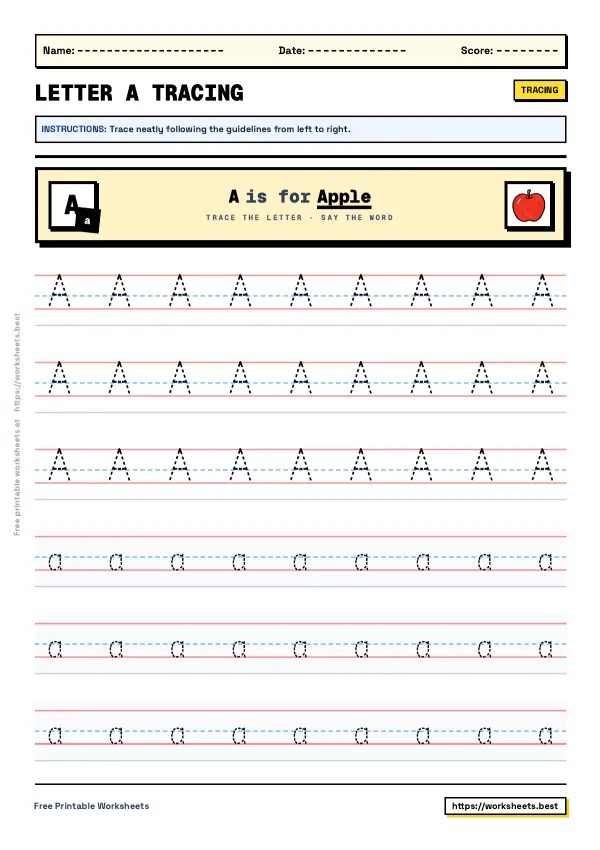
A letter-tracing page for each letter from A to Z helps with handwriting and letter formation, while a bird word tracing sheet can introduce words like hen and owl. Children can also work with simple CVC words such as cat and hat, match pictures to words, fill in missing letters, or complete easy word searches. The collection suits kindergarten children, and the easy difficulty makes the pages manageable for independent practice or guided lessons. Use a sheet at home for a quiet morning task, or add one to a classroom literacy center, small-group rotation, or homework packet. Some sheets include answer keys for quick checking. A few activities support foundational reading standards such as RF.K.3.C.
every sheet
All Kindergarten English worksheets
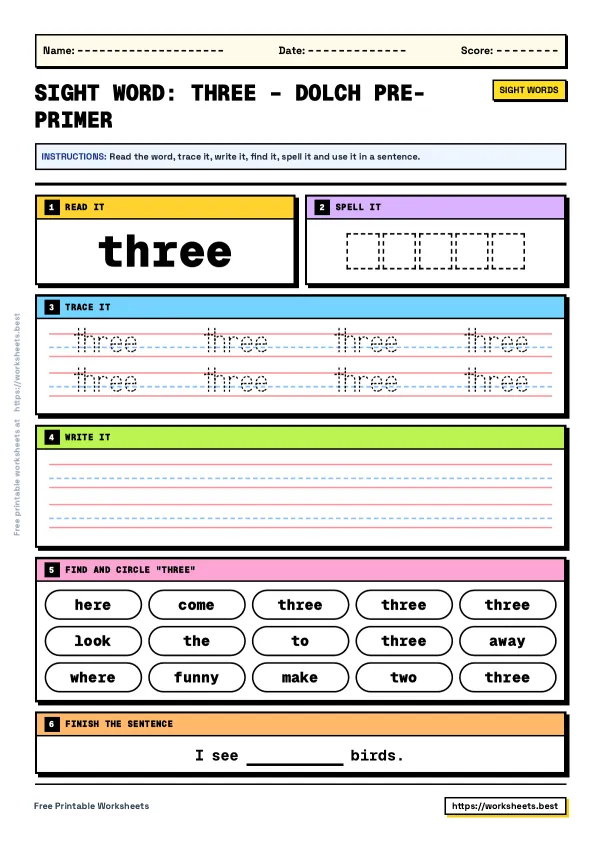
Sight Word: Three – Dolch Pre-Primer
Pre-K–KSight Words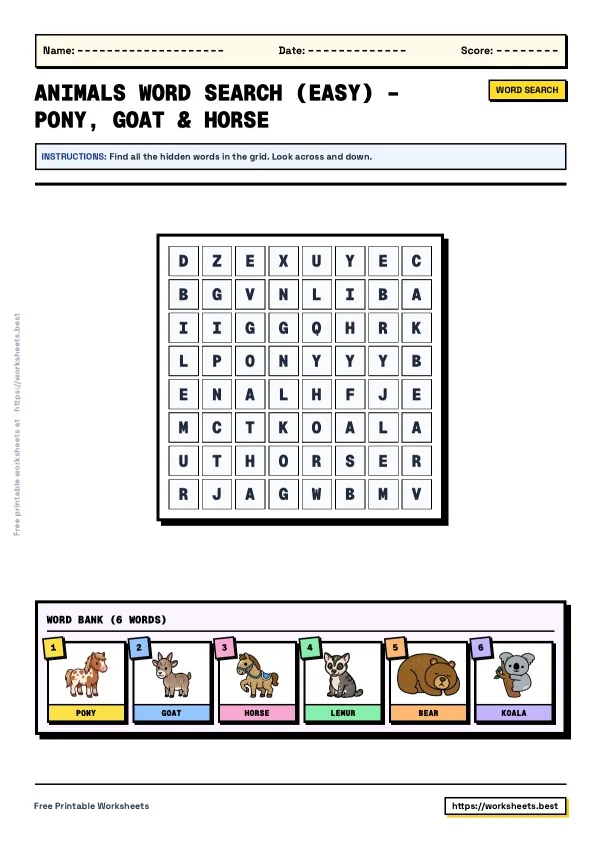
Animals Word Search (Easy) – Pony, Goat & Horse
K–1st GradeWord Search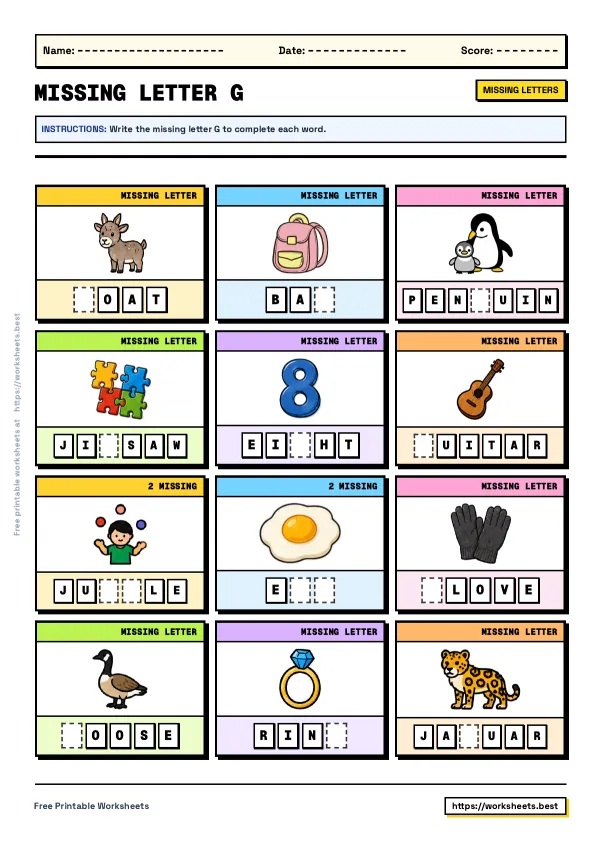
Missing Letter G
K–1st GradeMissing Letters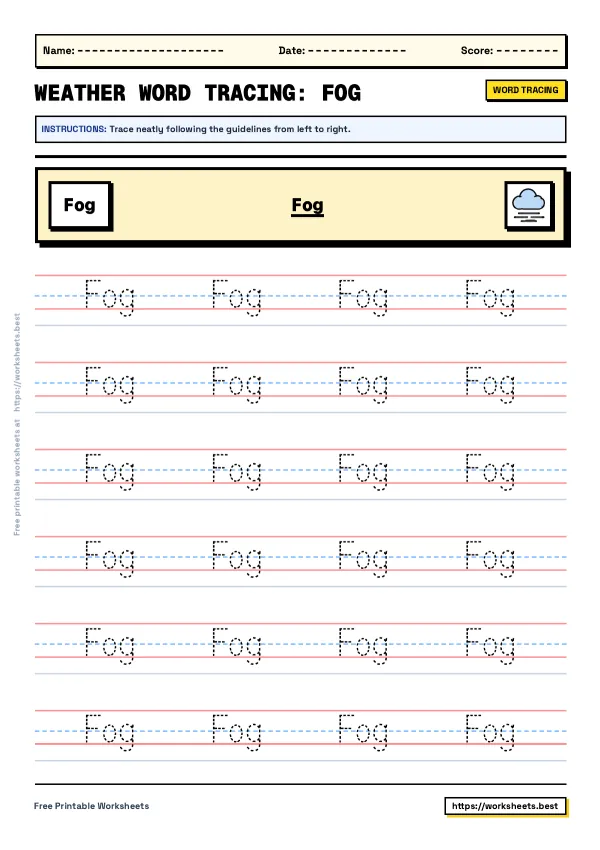
Weather Word Tracing: Fog
K–1st GradeTracing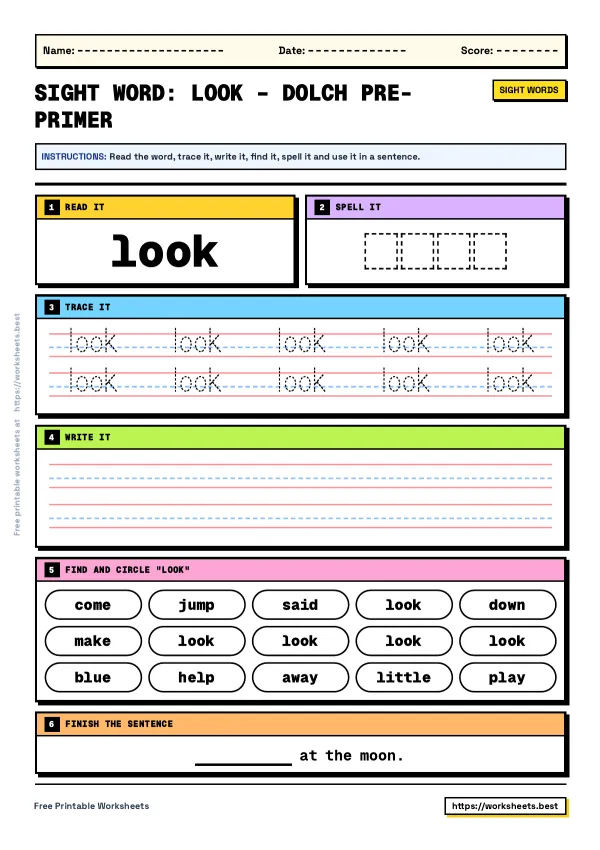
Sight Word: Look – Dolch Pre-Primer
Pre-K–KSight Words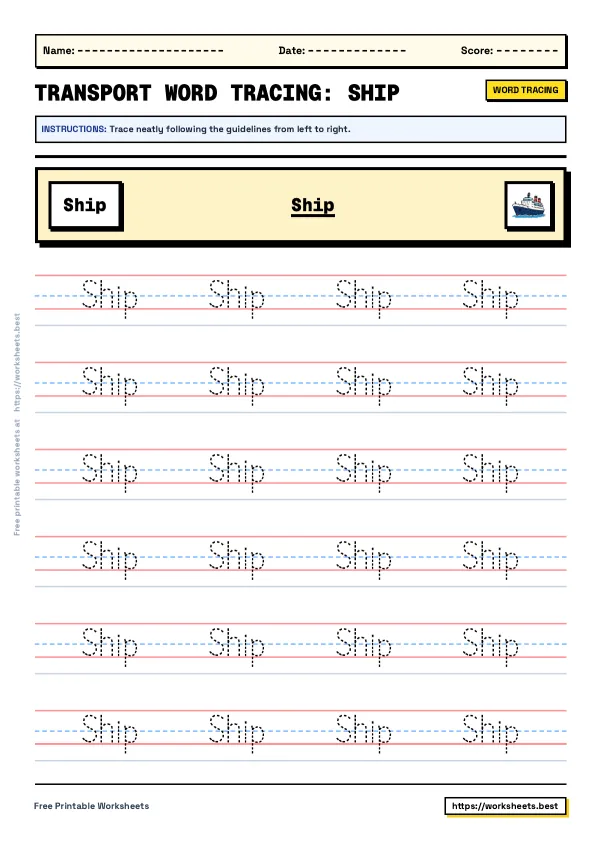
Transport Word Tracing: Ship
K–1st GradeTracing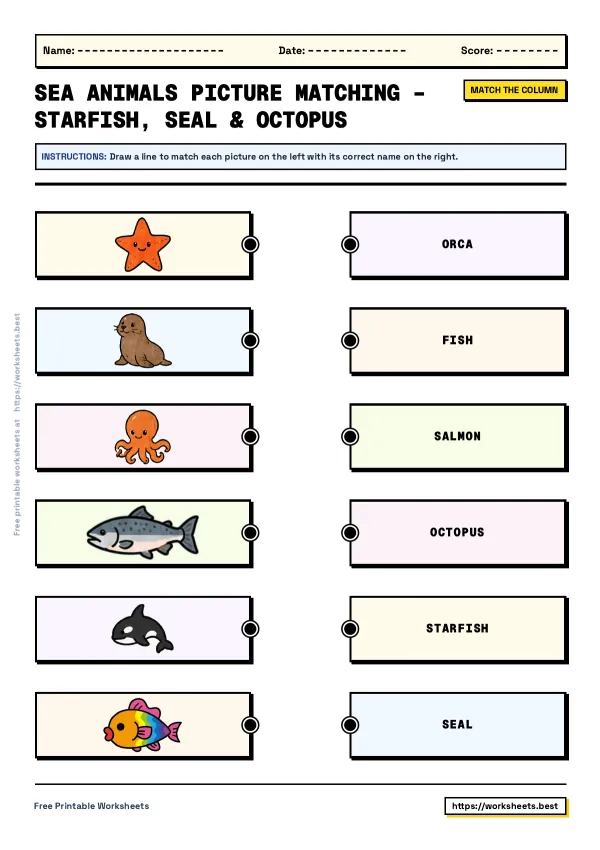
Sea Animals Picture Matching – Starfish, Seal & Octopus
K–1st GradePicture Matching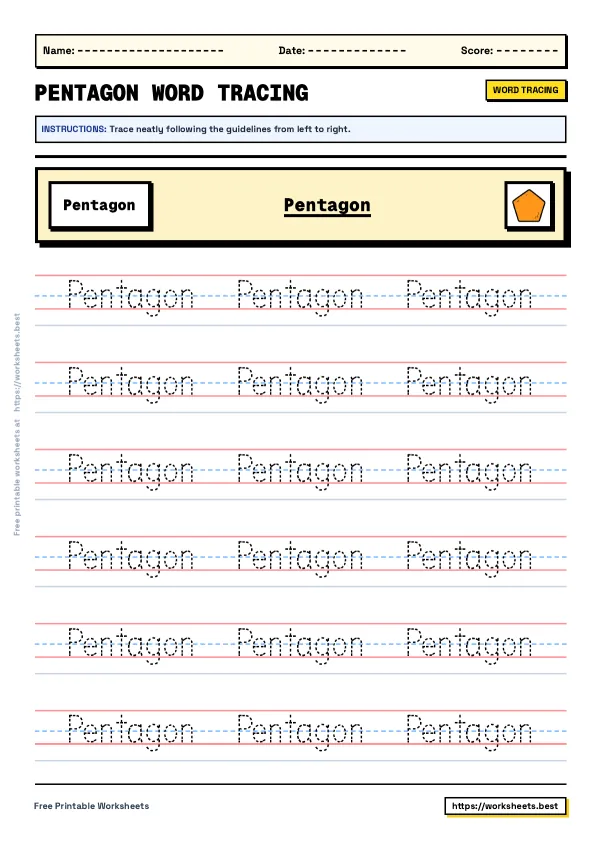
Pentagon Word Tracing
K–1st GradeTracing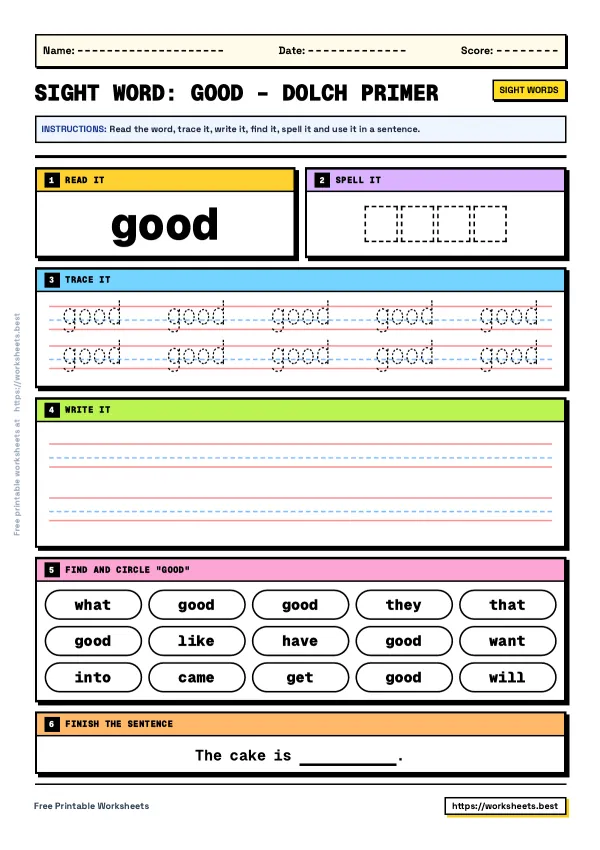
Sight Word: Good – Dolch Primer
KindergartenSight Words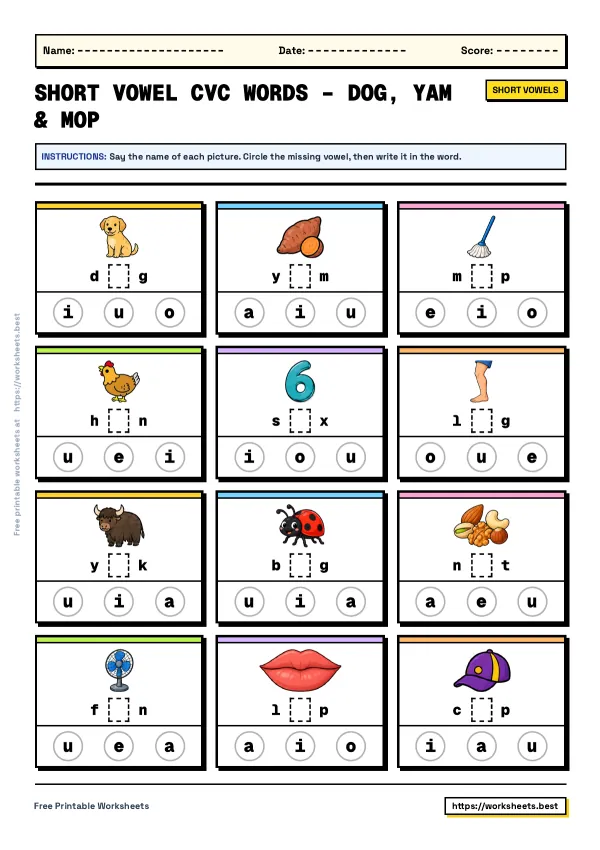
Short Vowel CVC Words – Dog, Yam & Mop
K–1st GradeLetter Sounds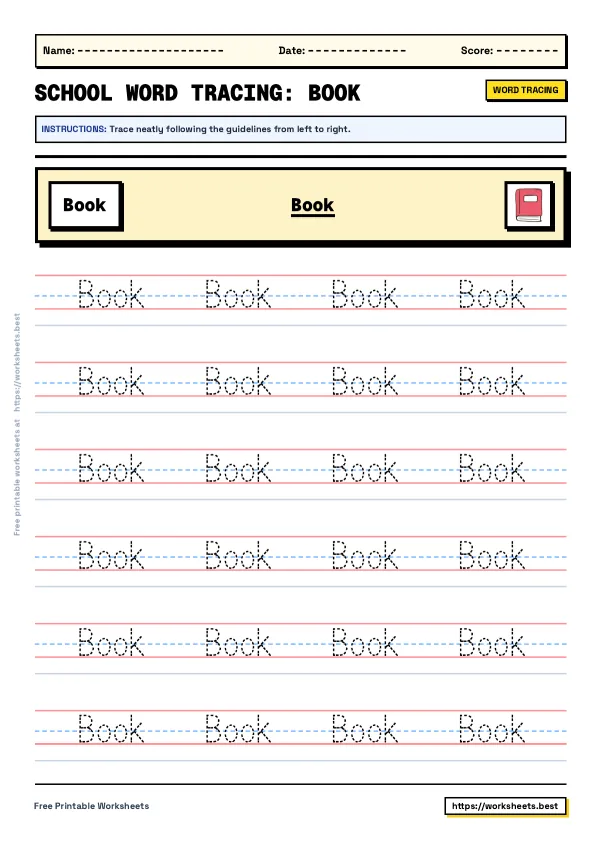
School Word Tracing: Book
K–1st GradeTracing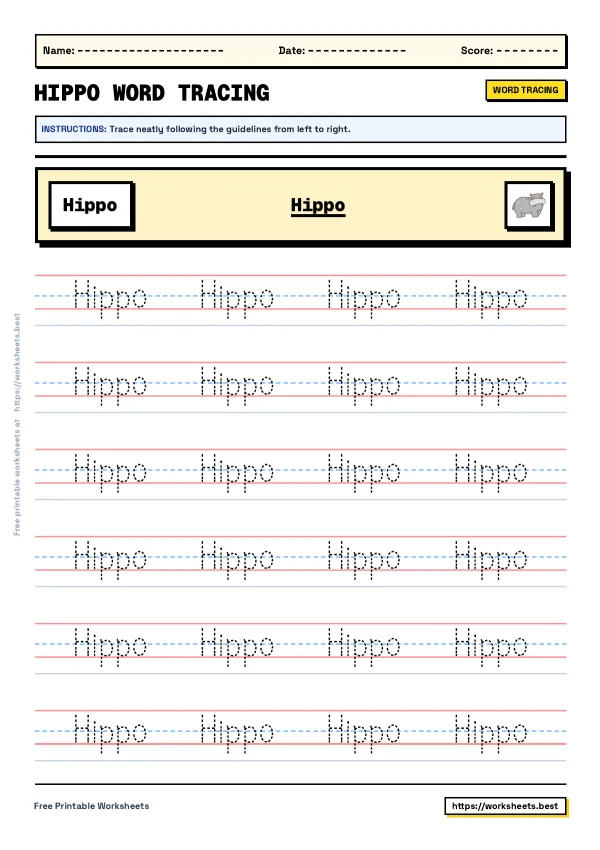
Hippo Word Tracing
KindergartenTracing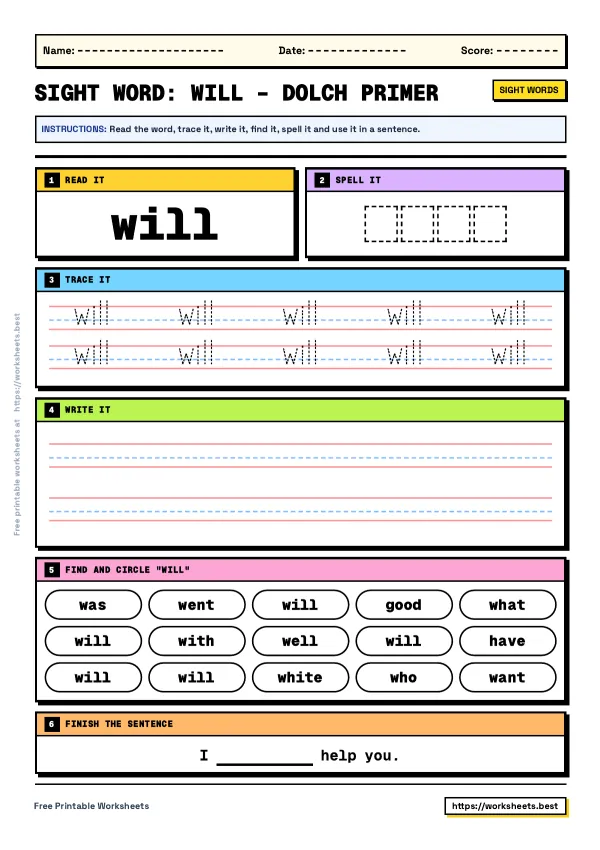
Sight Word: Will – Dolch Primer
KindergartenSight Words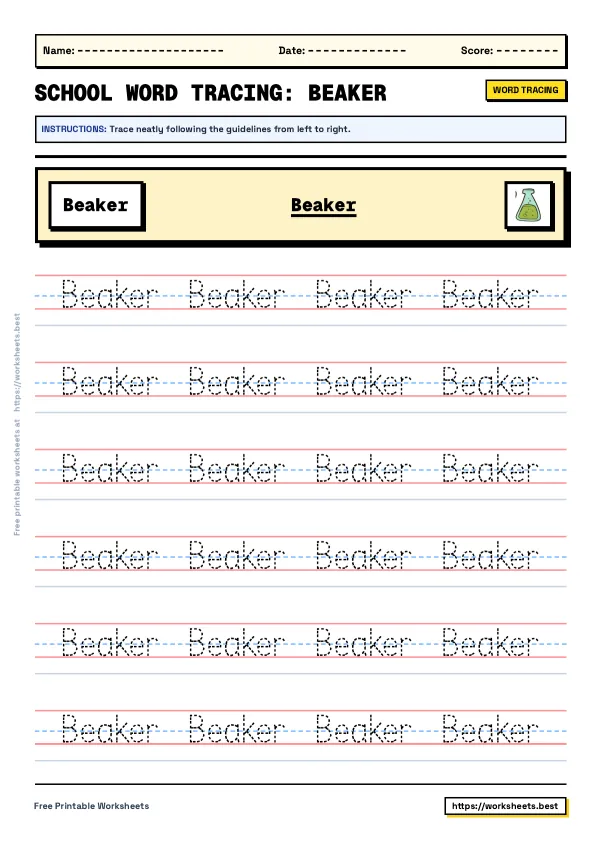
School Word Tracing: Beaker
K–1st GradeTracing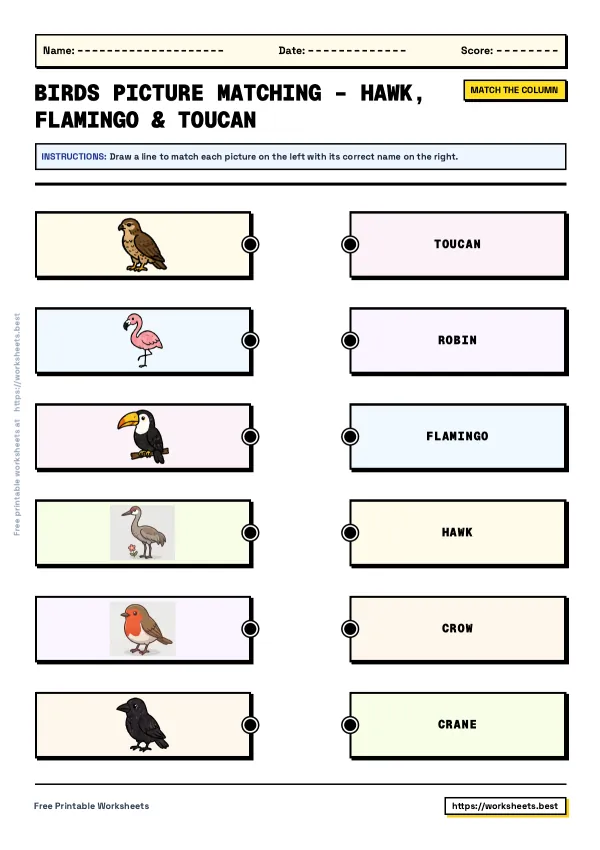
Birds Picture Matching – Hawk, Flamingo & Toucan
K–1st GradePicture Matching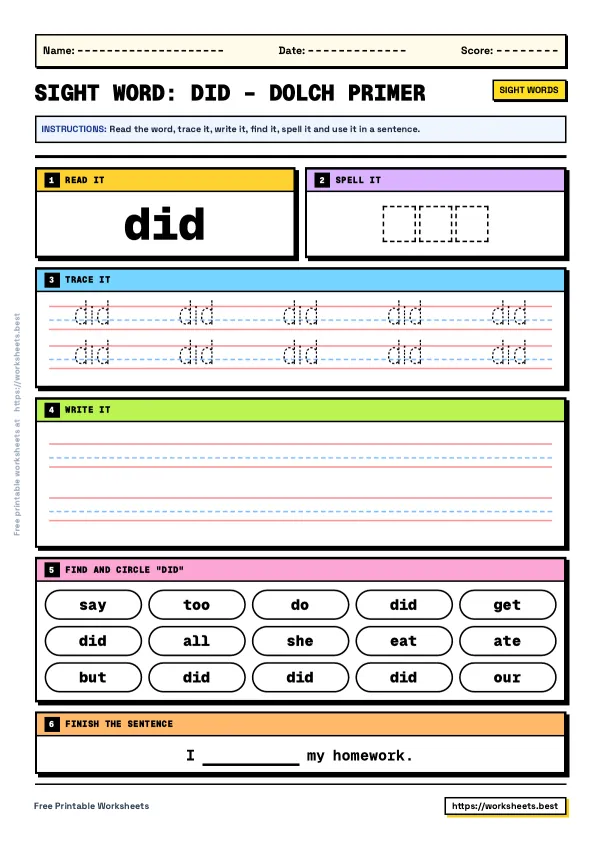
Sight Word: Did – Dolch Primer
KindergartenSight Words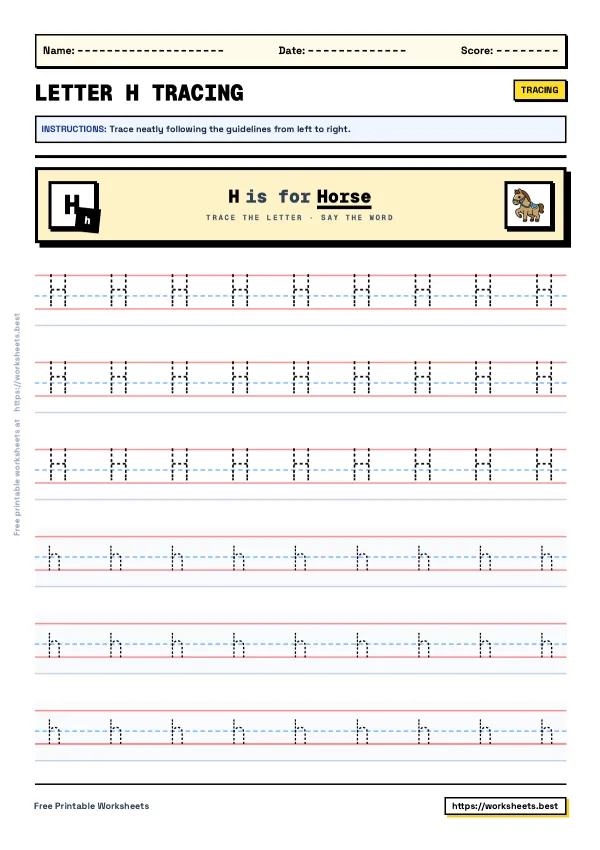
Letter H Tracing
Pre-K–KTracing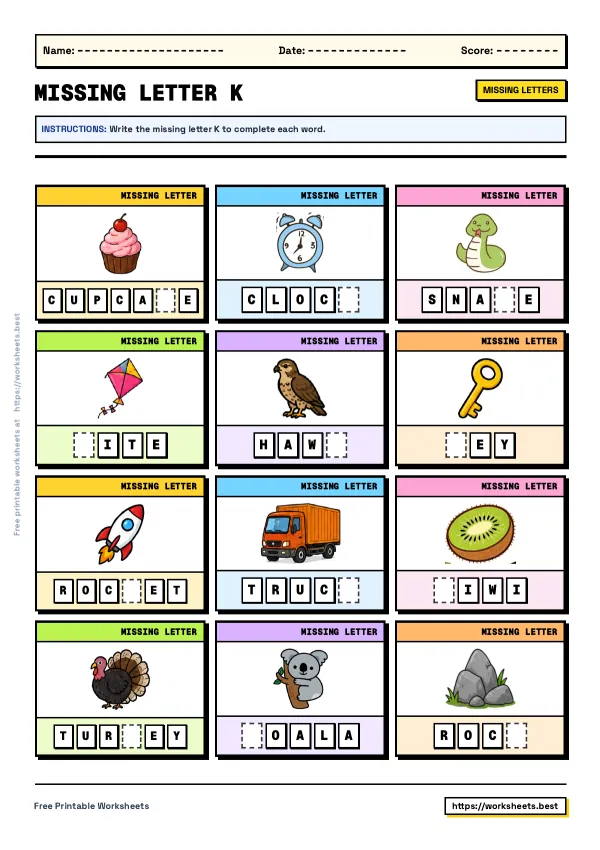
Missing Letter K
K–1st GradeMissing Letters
Weather Word Tracing: Tornado
K–1st GradeTracing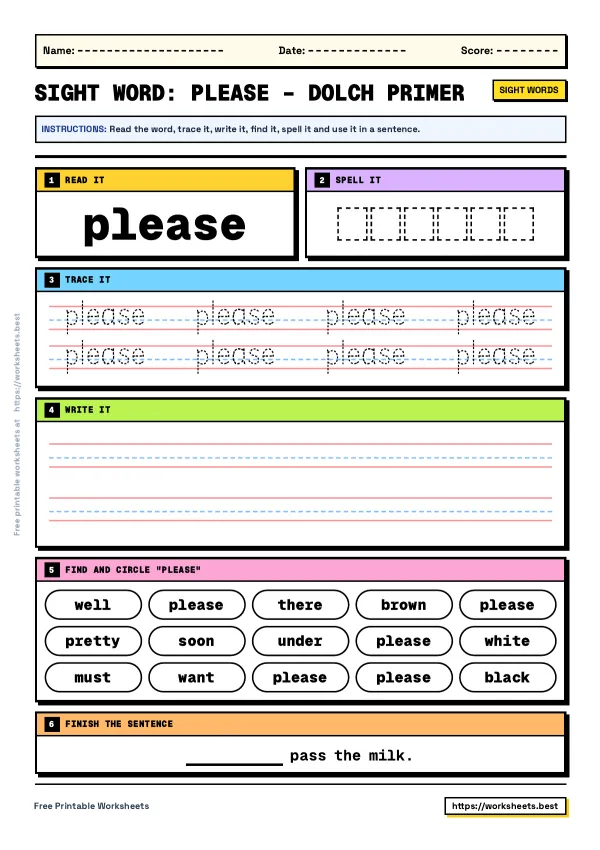
Sight Word: Please – Dolch Primer
KindergartenSight Words
Sea Animals Word Tracing: Shrimp
K–1st GradeTracing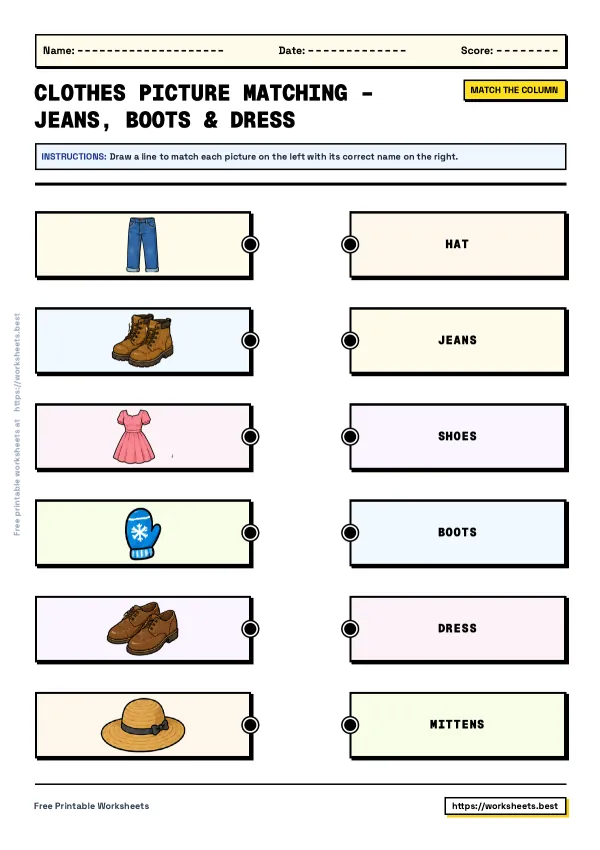
Clothes Picture Matching – Jeans, Boots & Dress
K–1st GradePicture Matching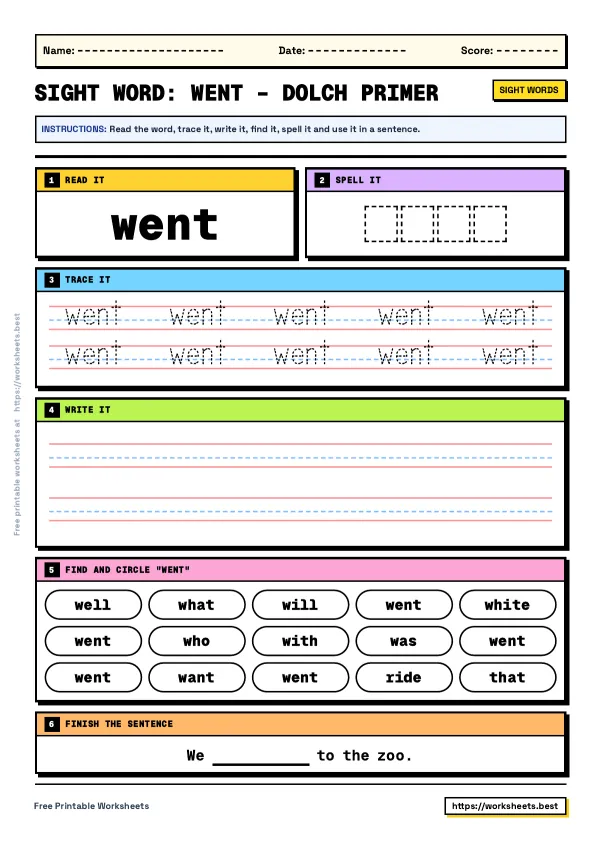
Sight Word: Went – Dolch Primer
KindergartenSight Words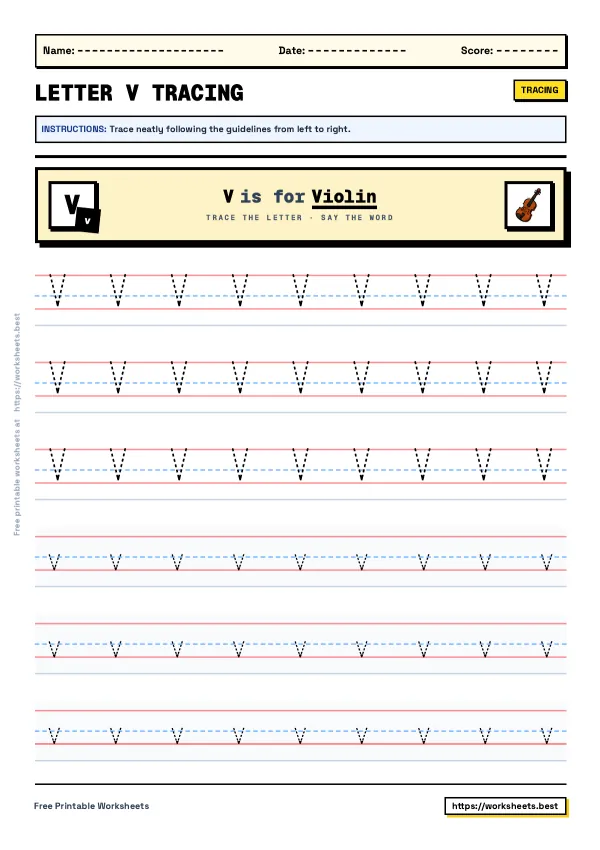
Letter V Tracing
Pre-K–KTracing
dig deeper
More Kindergarten English worksheets
from teachers
Tips for parents and teachers
- Keep tracing sessions short and model the stroke first. Sit beside your child, trace one letter slowly, then let them copy it before moving to the next row.
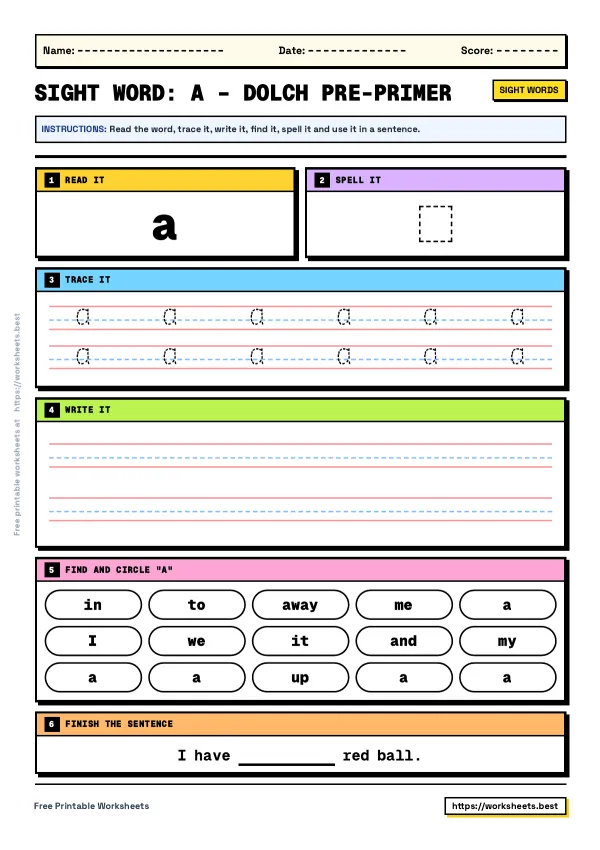
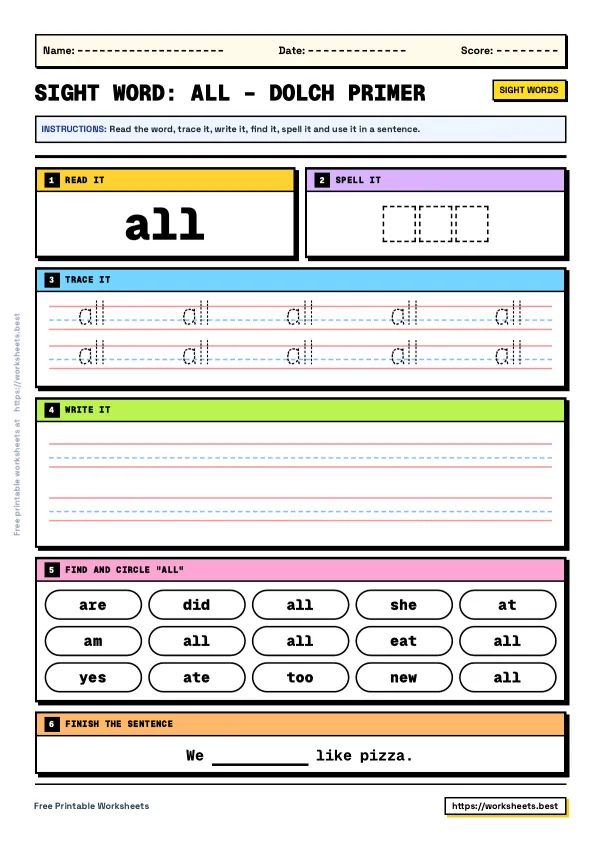
- For sight-word sheets, read each word aloud together and point to it before writing. Repeat the same short list across several days so the word becomes familiar.
- Use missing-letter and CVC pages as quick sound games. Say the word slowly, ask which letter is missing, and have the child write it in before checking the picture.
- Add picture matching or word searches to a literacy center for independent practice. Choose one page at a time and keep crayons or pencils nearby so the task stays calm and focused.
Questions parents ask
What English skills should a kindergarten child practice at home?
Short practice with letter formation, letter sounds, sight words, vocabulary, and beginning phonics gives children a strong start. Use one easy page at a time and talk about the letters and pictures together.
How can I help my child learn sight words without frustration?
Start with a small set of words and read them aloud together before tracing or writing. Repeat the same words in short sessions and review earlier ones often so success builds.
What is the difference between letter tracing and word tracing for kindergarten?
Letter tracing focuses on forming individual letters, while word tracing connects letters into whole words and supports spelling and handwriting. Begin with letter pages, then move to short word pages when the child is ready.
How much time should a kindergartener spend on a worksheet?
One easy page often takes about 5 to 10 minutes, and stopping while the child is still attentive helps keep practice positive. Short, regular sessions usually work better than one long sitting.
Can kindergarten English worksheets help with phonics and digraphs?
Yes. Letter-sound pages and digraph fill-in exercises give children practice hearing and writing sounds, especially when an adult says the word aloud and points to each letter.