Kindergarten Word Tracing Worksheets
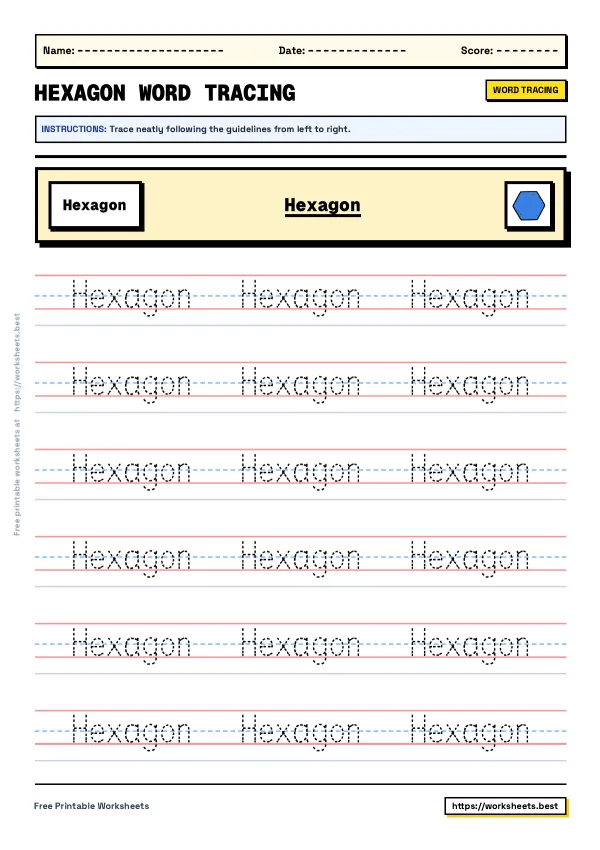
A set of kindergarten word tracing worksheets helps young children practice forming letters and whole words by hand. Each sheet uses tracing as the main format, so a child follows dotted or dashed letters and words to build fine motor skills, handwriting, spelling, and word recognition. The themes lead with shapes and vegetables, then birds, body parts, clothes, and community helpers, followed by farm animals and flowers. For example, one sheet asks children to trace body part words such as arm, and another features community helper words like baker. These worksheets suit kindergarteners, typically ages five and six, and they also work well for young children who need extra practice with pencil control.
Read more +
Print individual pages for morning work, literacy centers, or a quiet activity at home. A short session of five to ten minutes is enough. Say each word aloud as your child traces it, then ask them to read the word back to you. Because the sheets use tracing only, they are straightforward for children to complete independently once they understand the routine. Use them alongside other kindergarten worksheets for a balanced approach to early literacy.
every sheet
All Kindergarten Word Tracing worksheets
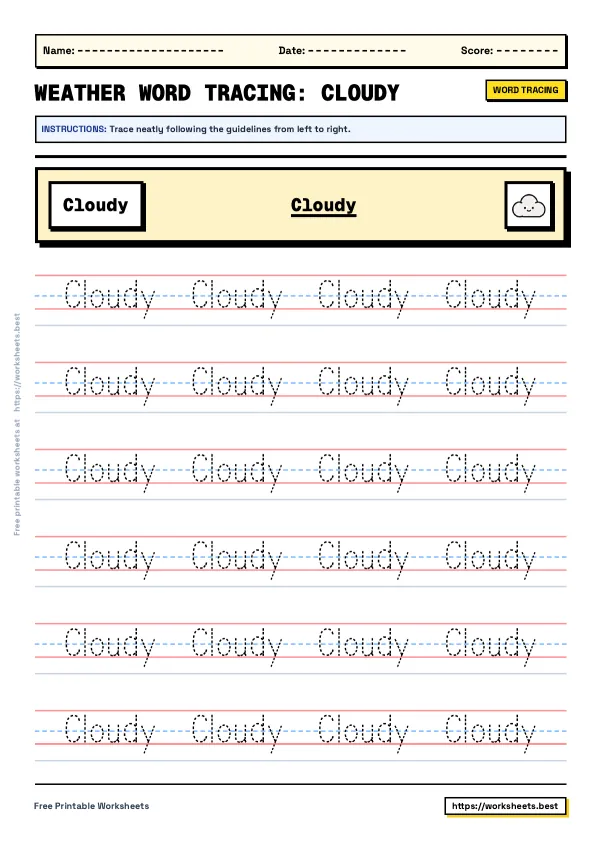
Weather Word Tracing: Cloudy
K–1st GradeTracing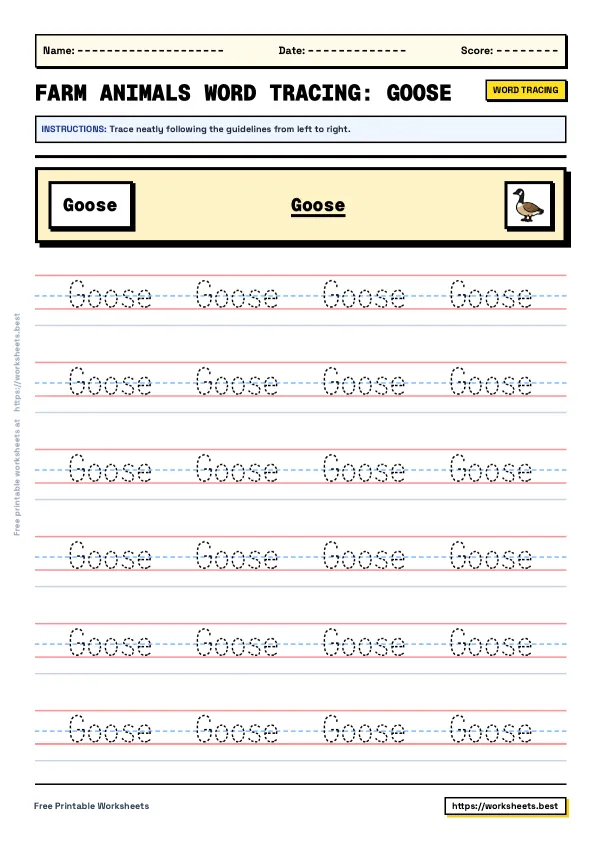
Farm Animals Word Tracing: Goose
K–1st GradeTracing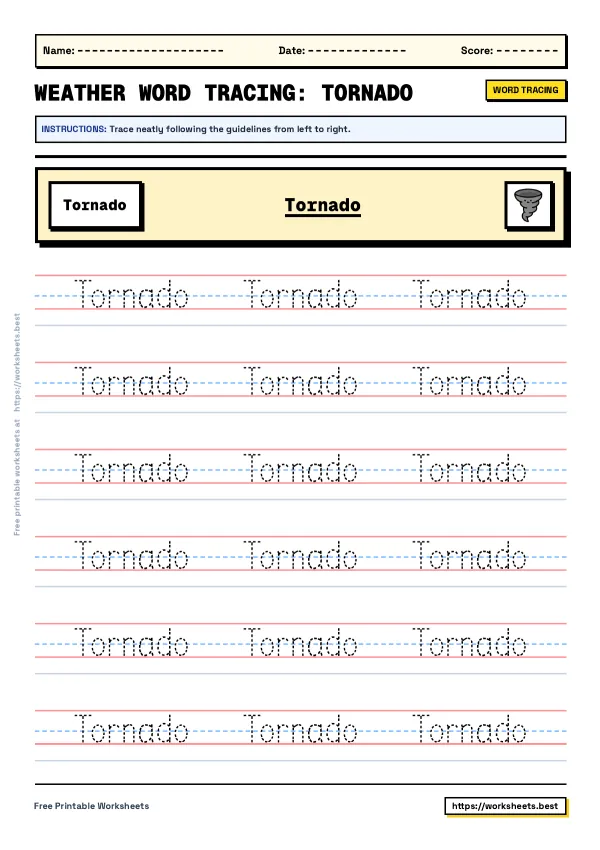
Weather Word Tracing: Tornado
K–1st GradeTracing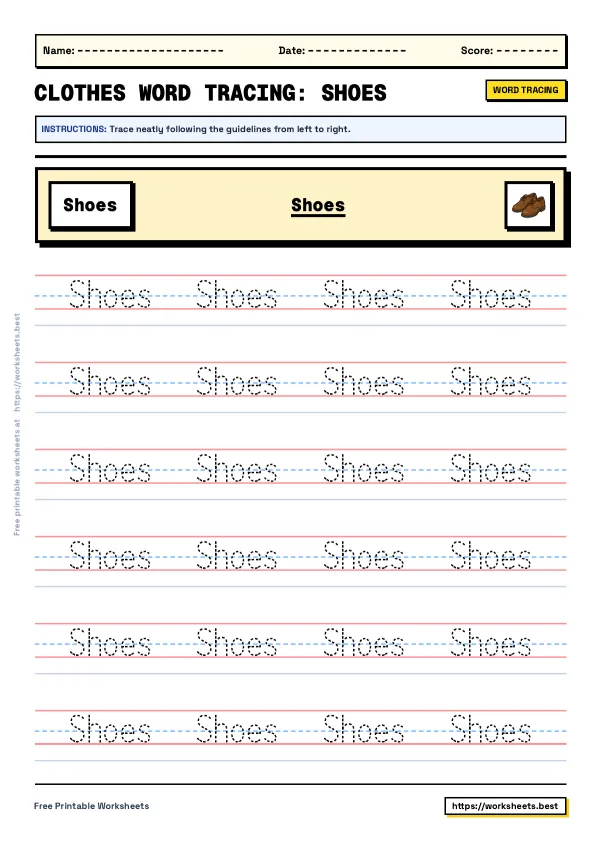
Clothes Word Tracing: Shoes
K–1st GradeTracing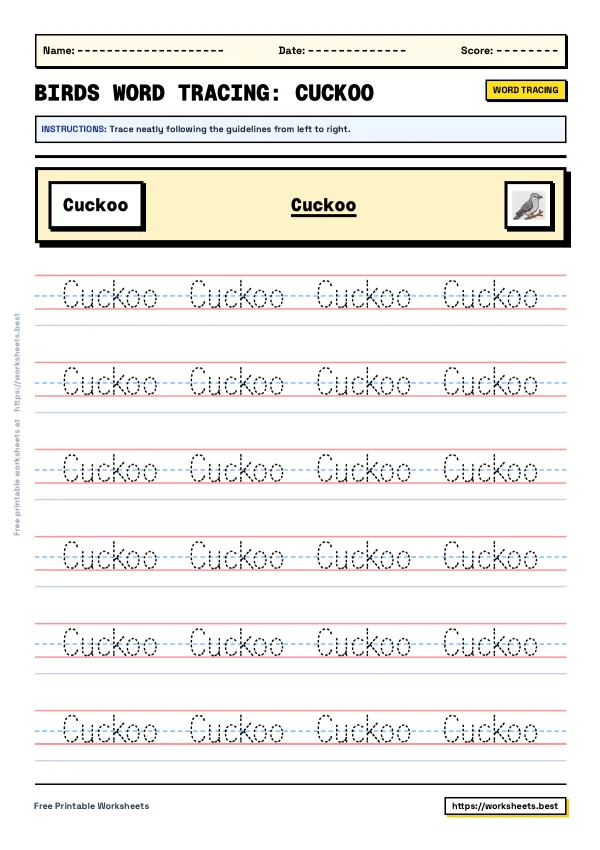
Birds Word Tracing: Cuckoo
K–1st GradeTracing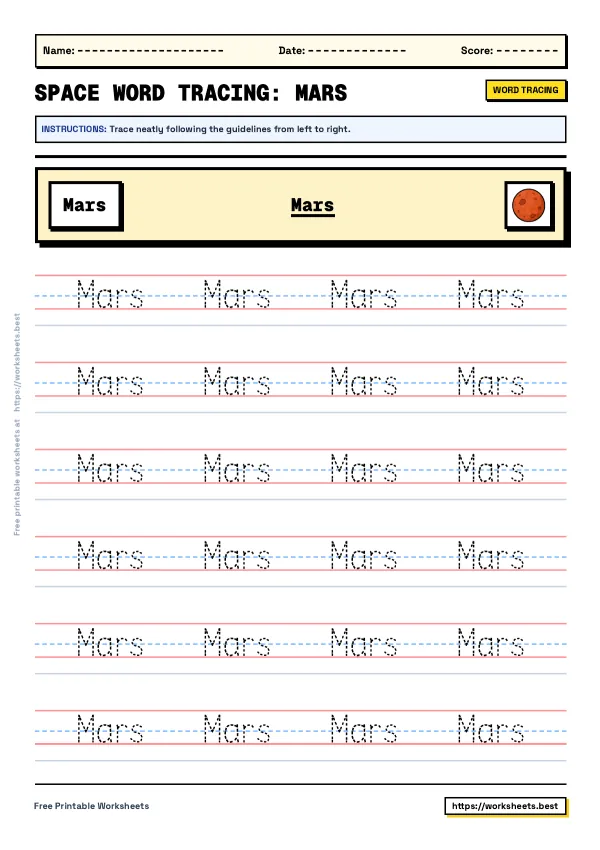
Space Word Tracing: Mars
K–1st GradeTracing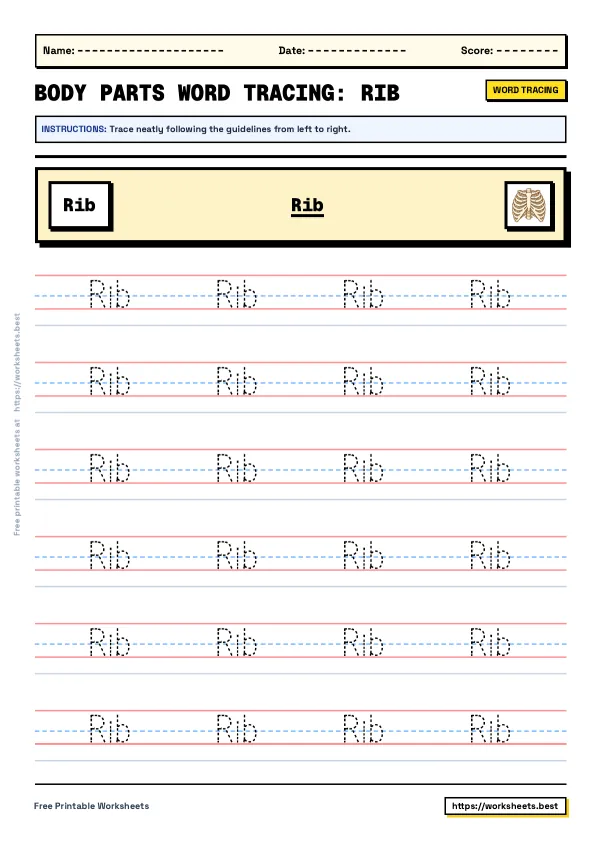
Body Parts Word Tracing: Rib
K–1st GradeTracing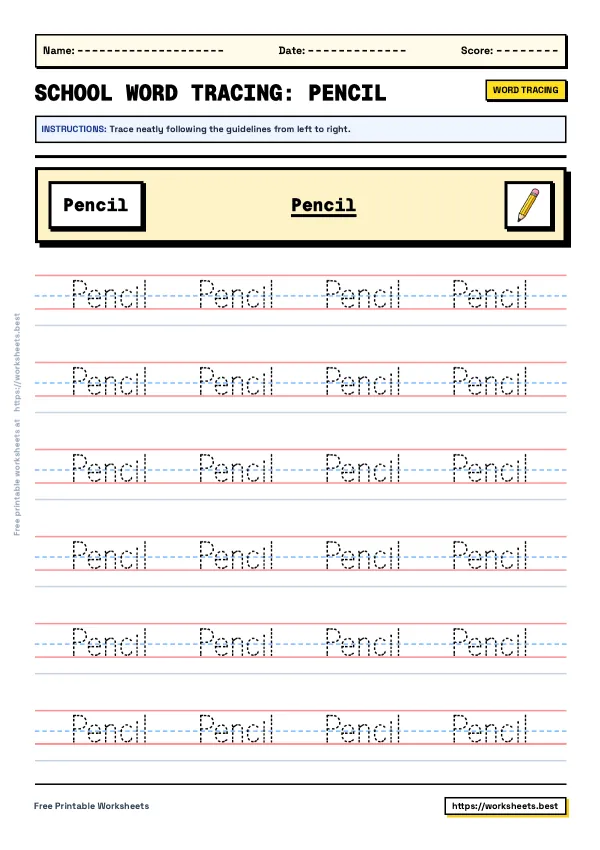
School Word Tracing: Pencil
K–1st GradeTracing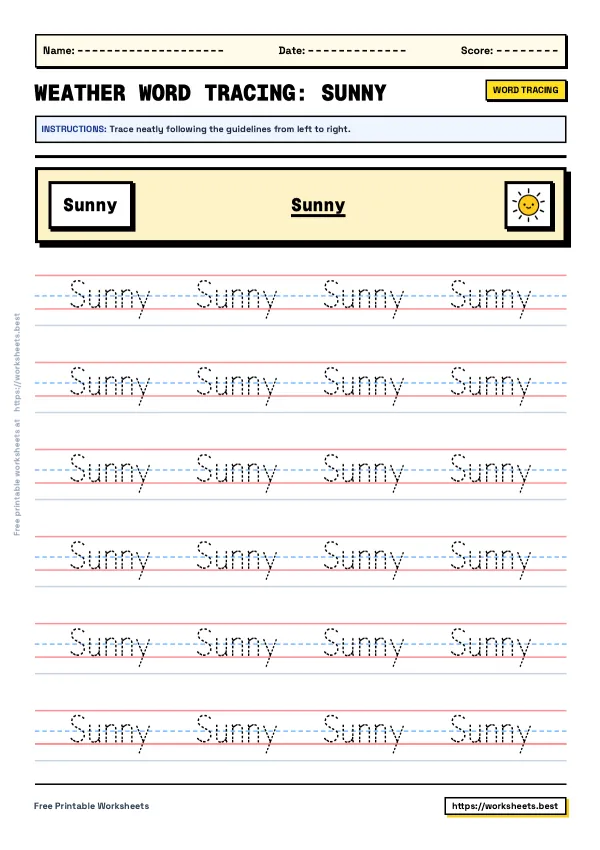
Weather Word Tracing: Sunny
K–1st GradeTracing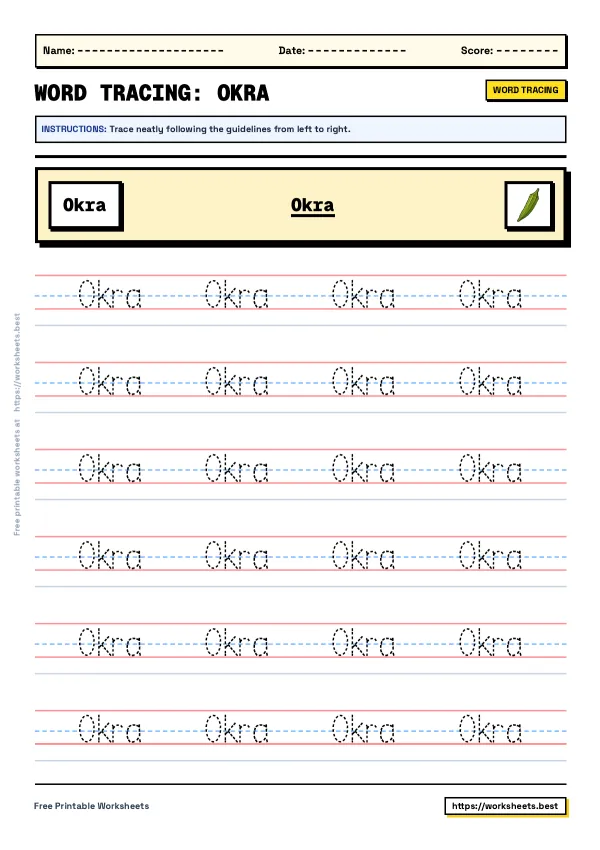
Word Tracing: Okra
KindergartenTracing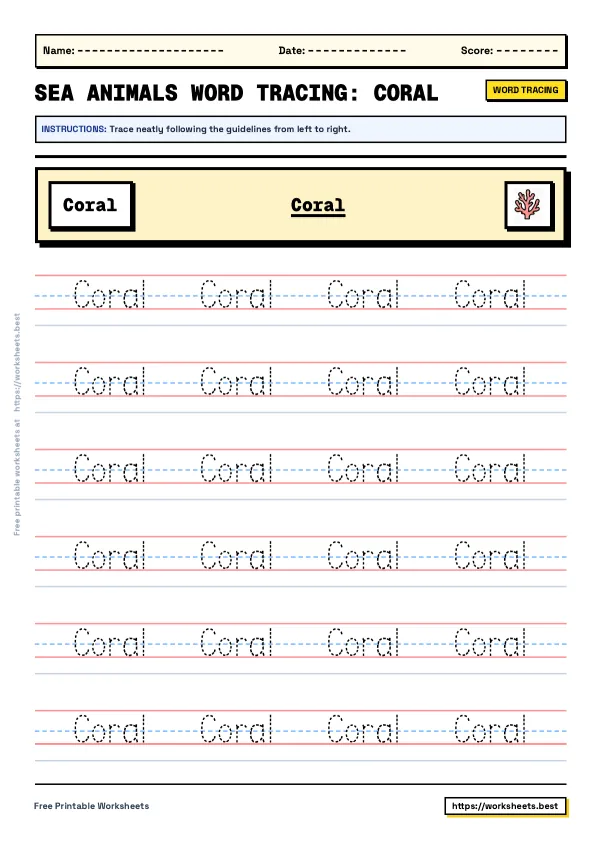
Sea Animals Word Tracing: Coral
K–1st GradeTracing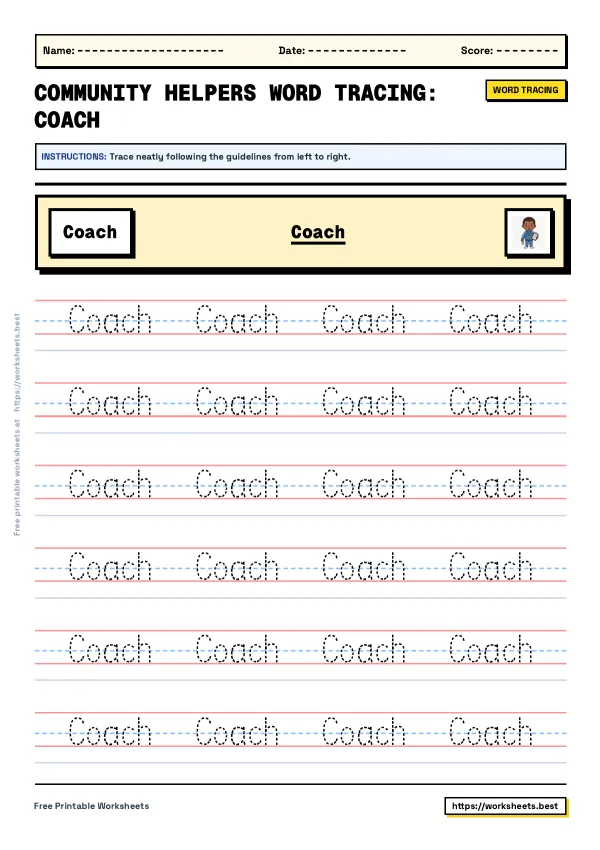
Community Helpers Word Tracing: Coach
K–1st GradeTracing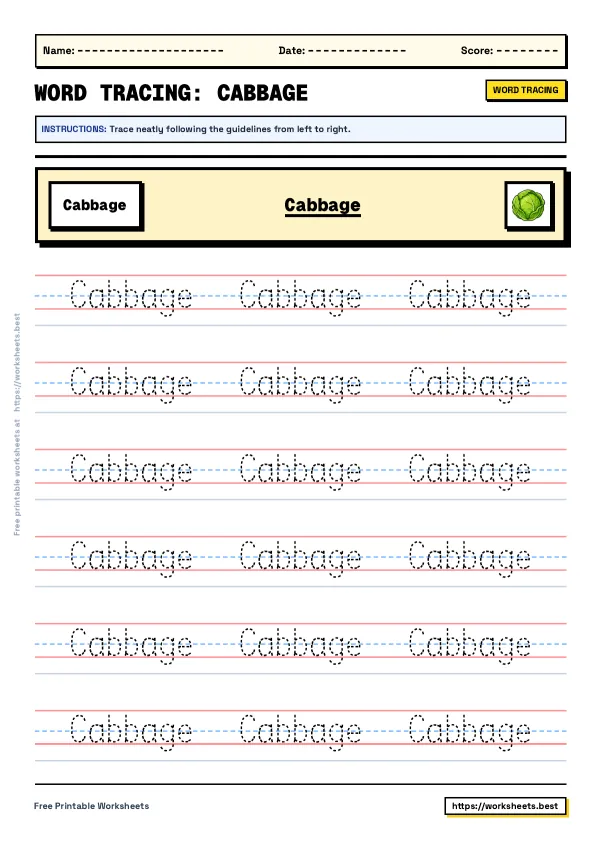
Word Tracing: Cabbage
KindergartenTracing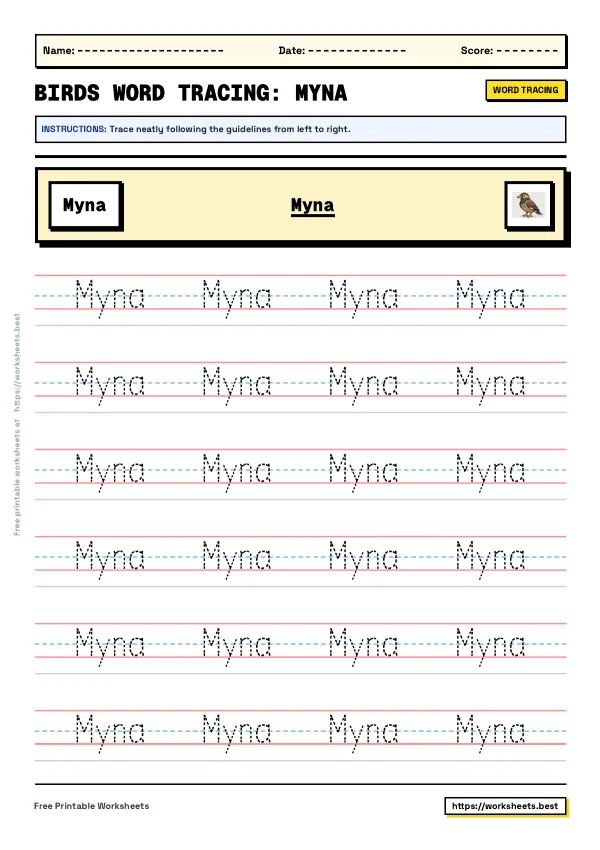
Birds Word Tracing: Myna
K–1st GradeTracing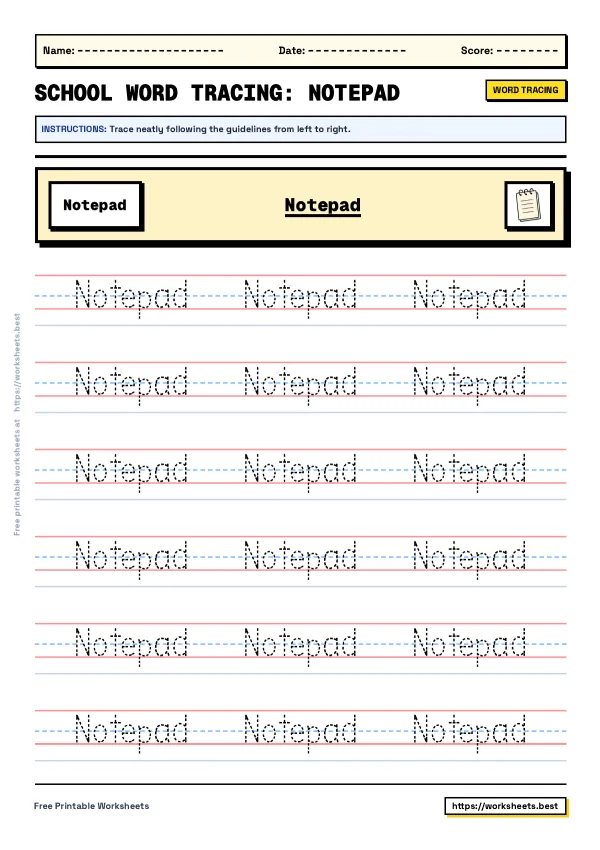
School Word Tracing: Notepad
K–1st GradeTracing
Oval Word Tracing
K–1st GradeTracing
Space Word Tracing: Comet
K–1st GradeTracing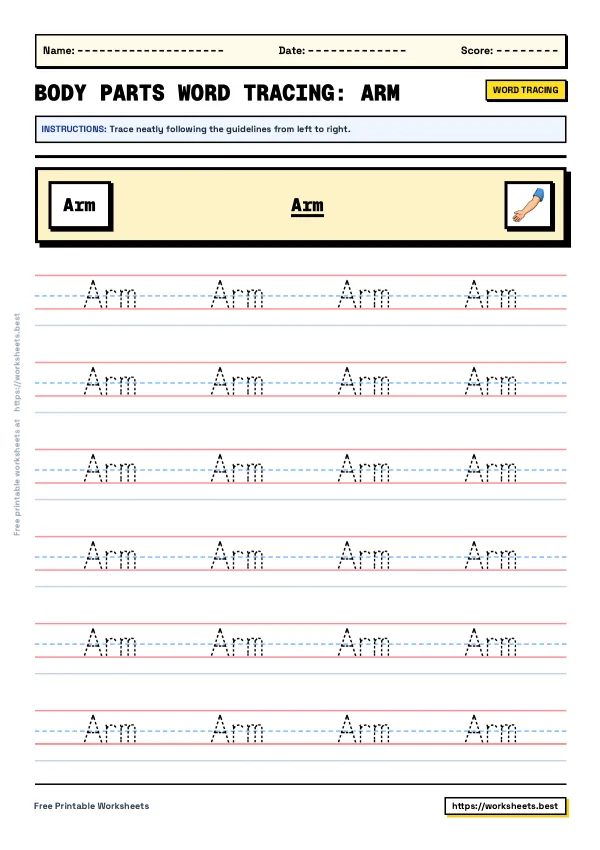
Body Parts Word Tracing: Arm
K–1st GradeTracing
Weather Word Tracing: Cloud
K–1st GradeTracing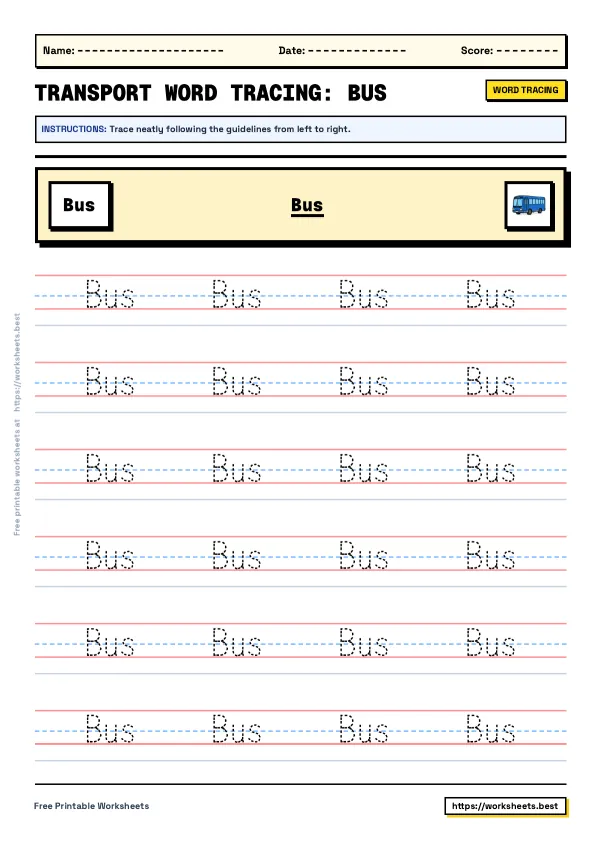
Transport Word Tracing: Bus
K–1st GradeTracing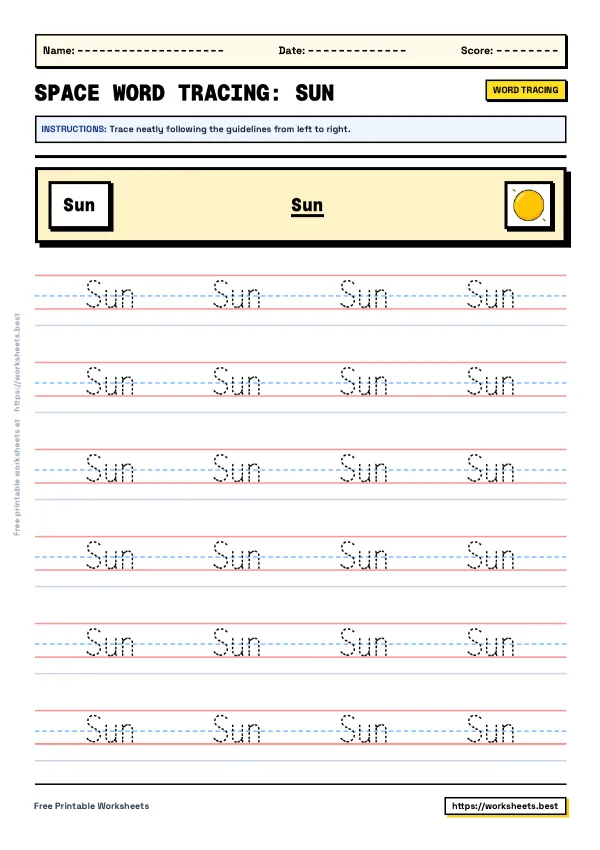
Space Word Tracing: Sun
K–1st GradeTracing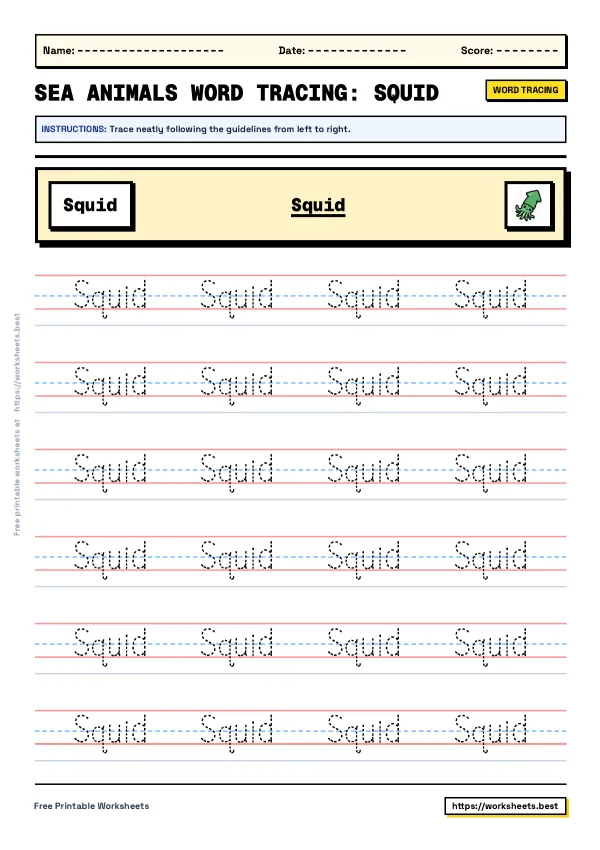
Sea Animals Word Tracing: Squid
K–1st GradeTracing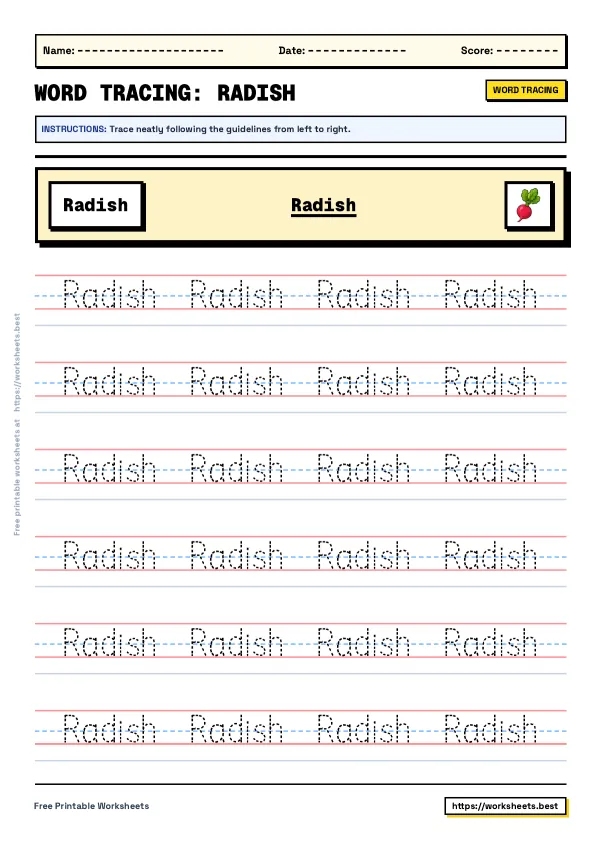
Word Tracing: Radish
KindergartenTracing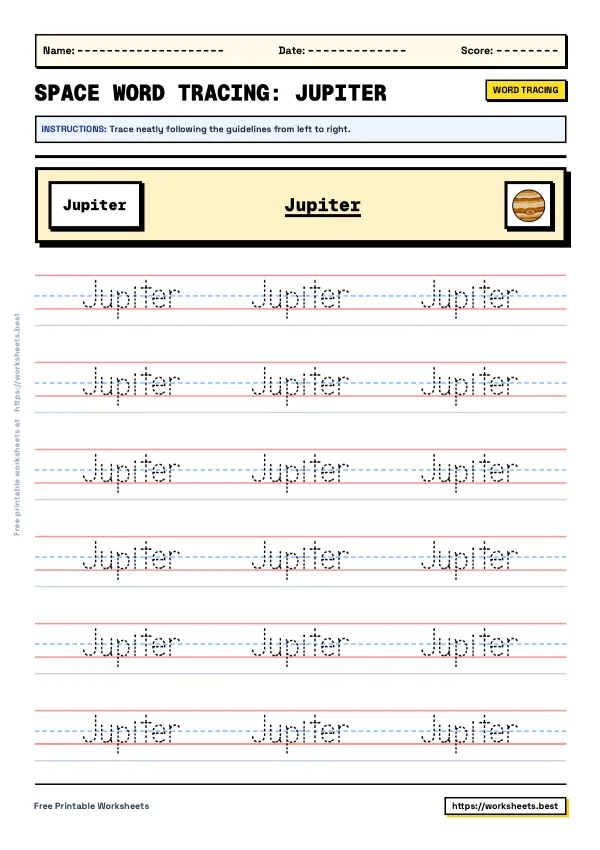
Space Word Tracing: Jupiter
K–1st GradeTracing
from teachers
Tips for parents and teachers
- Start with finger tracing before using a pencil. Children can trace the letters with a finger first, which helps them feel the shape of each word without worrying about grip.
- Keep sessions short and positive. Five to ten minutes a day is plenty for kindergarteners; stop before your child gets tired or frustrated.
- Say the word aloud as your child traces it, then have them spell it out loud. This connects the physical act of tracing to spelling and word recognition.
- Offer a variety of tools, such as a crayon, marker, or pencil. Different tools change the feel of tracing and help build hand strength.
Questions parents ask
What skills do kindergarten word tracing worksheets build?
They develop fine motor skills, handwriting, spelling, and word recognition. Tracing helps children learn letter formation and word patterns.
At what age should a child start word tracing?
Most children begin in kindergarten, around age five or six. Some four-year-olds enjoy tracing simple words if they show interest.
How do I help a left-handed child with word tracing?
Place the paper slightly to the left of your child's body and encourage a comfortable grip. Left-handed children may benefit from tracing from top to bottom without smudging.
How often should we practice tracing at home?
A few times a week for five to ten minutes is enough. Consistency matters more than long sessions.