4th Grade Worksheets
Fourth grade is where multi-digit multiplication and long division take hold, and this set of 4th Grade Worksheets gives children steady practice in both. Each sheet is a math drill built around one skill, so a nine- or ten-year-old can spend fifteen focused minutes on a page and finish knowing exactly what to check.
Read more +
The collection of dozens of worksheets moves through the skills in order, from multiplying a two-digit number by one digit and then by two digits, to division facts for ÷6 through ÷10, three-digit division, and the times tables for 11 and 12. A remainders drill asks children to write the leftover amount instead of rounding it away, and a multiplication drill sets one two-digit number above another so the work goes column by column. The drills line up with Common Core standards 4.NBT.B.5 and 4.NBT.B.6, and answer keys are included for all of them.
At home, one drill page a day is enough, with a few minutes of talking through mistakes together. In class, a single drill sheet works as a five-minute warm-up, a center rotation, or a quick check before a new topic starts. Fourth graders still need to see the facts they already know, so mixing a division-facts page into a week of harder long division keeps confidence steady.
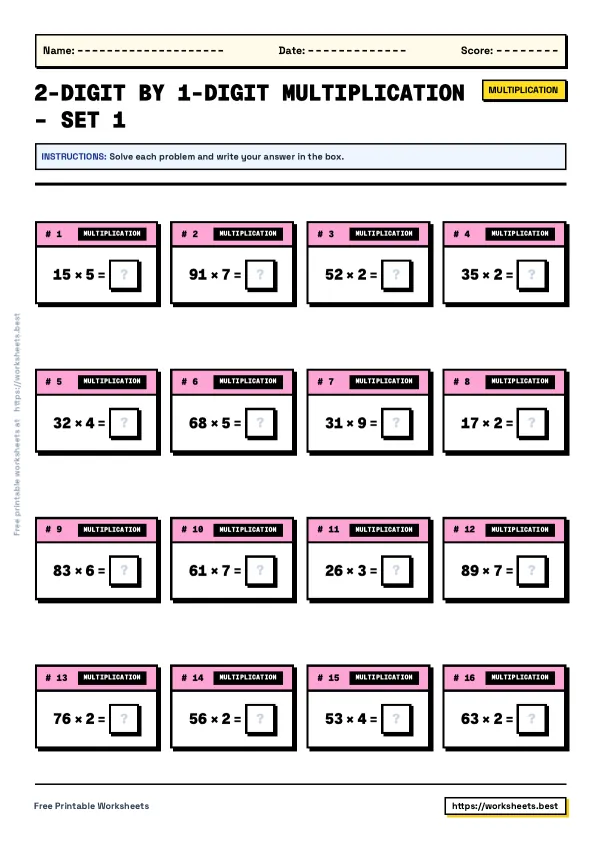
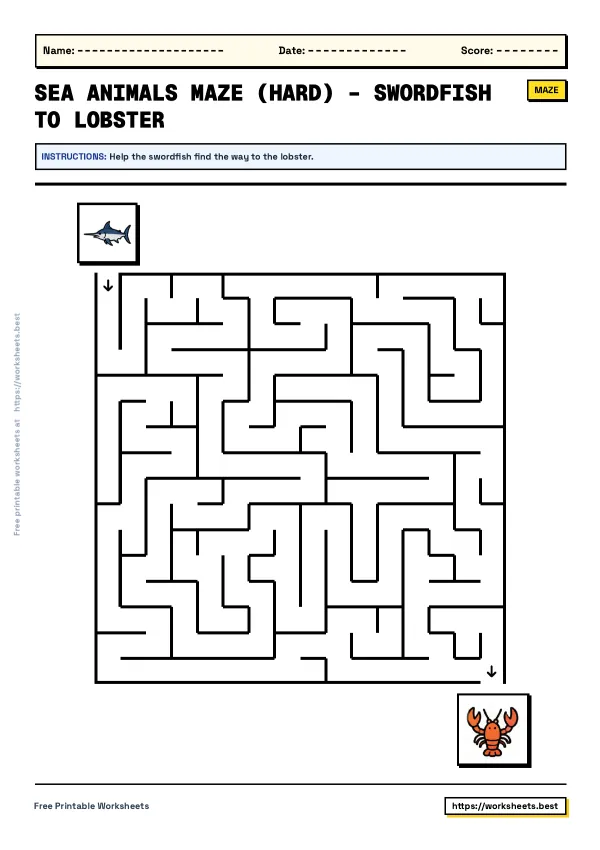
every sheet
All 4th Grade worksheets
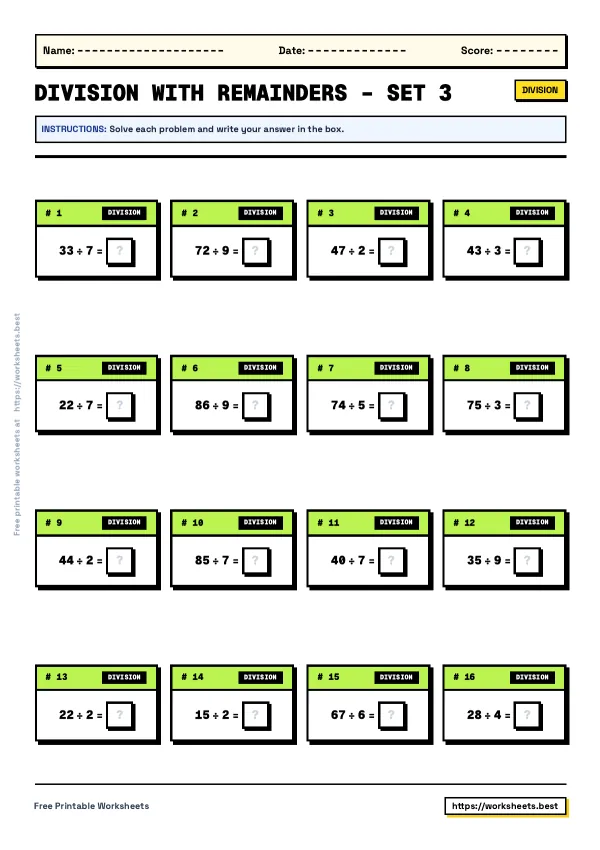
Division With Remainders – Set 3
4th GradeMath Drills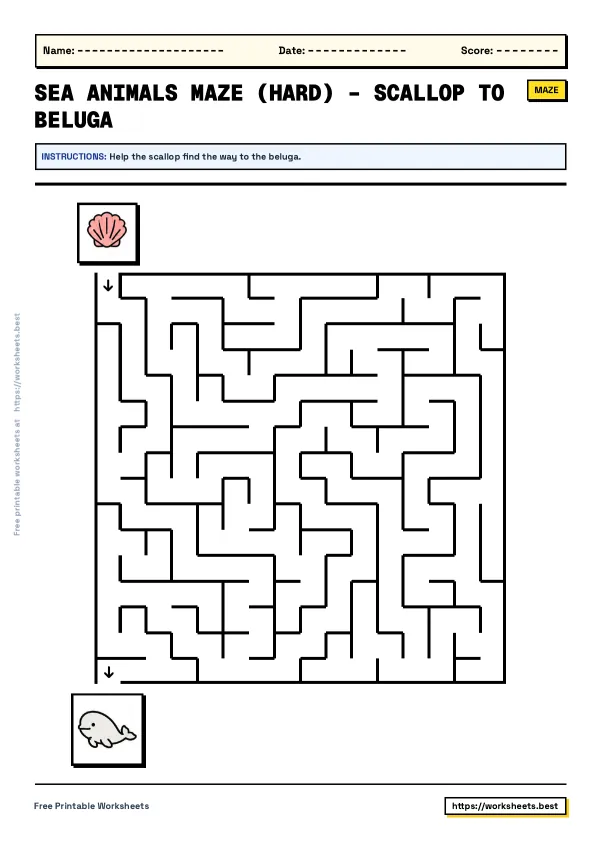
Sea Animals Maze (Hard) – Scallop to Beluga
4th GradeMazes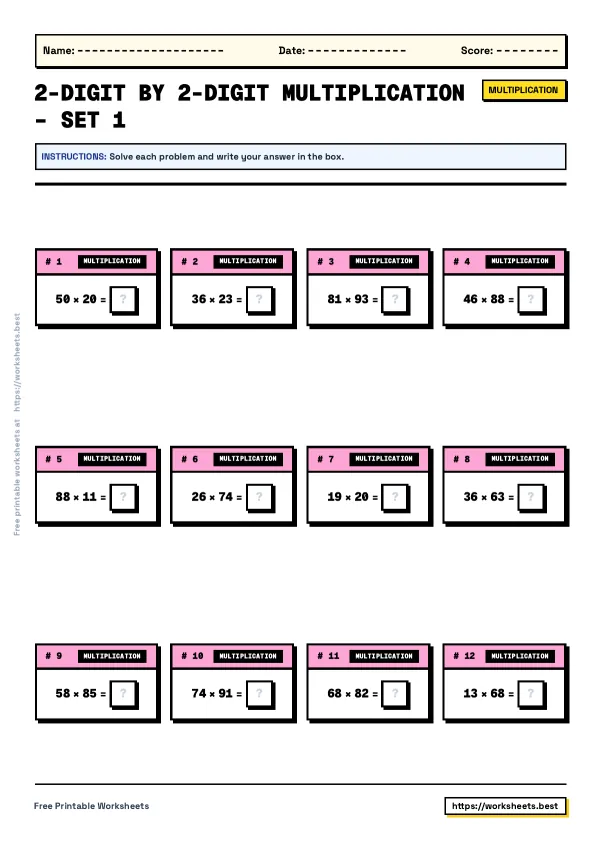
2-Digit by 2-Digit Multiplication – Set 1
4th–5th GradeMath Drills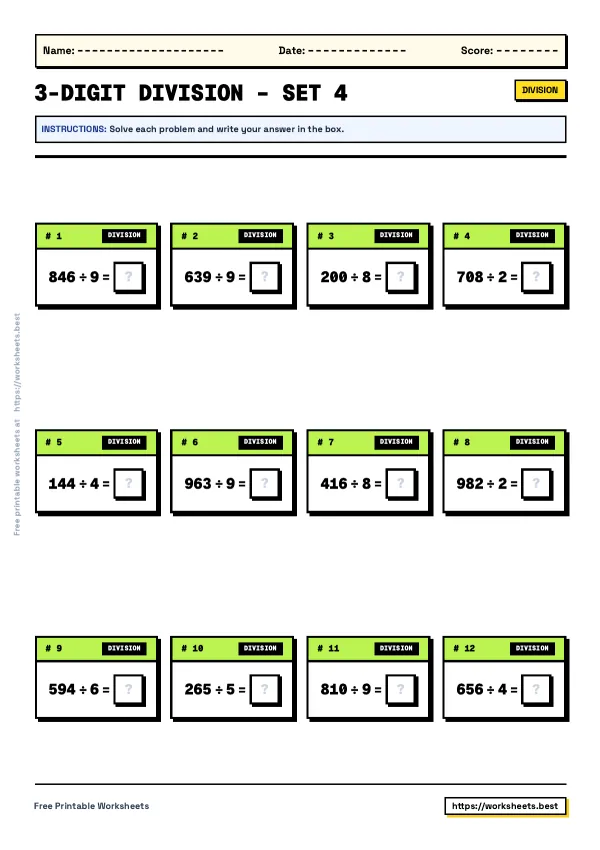
3-Digit Division – Set 4
4th–5th GradeMath Drills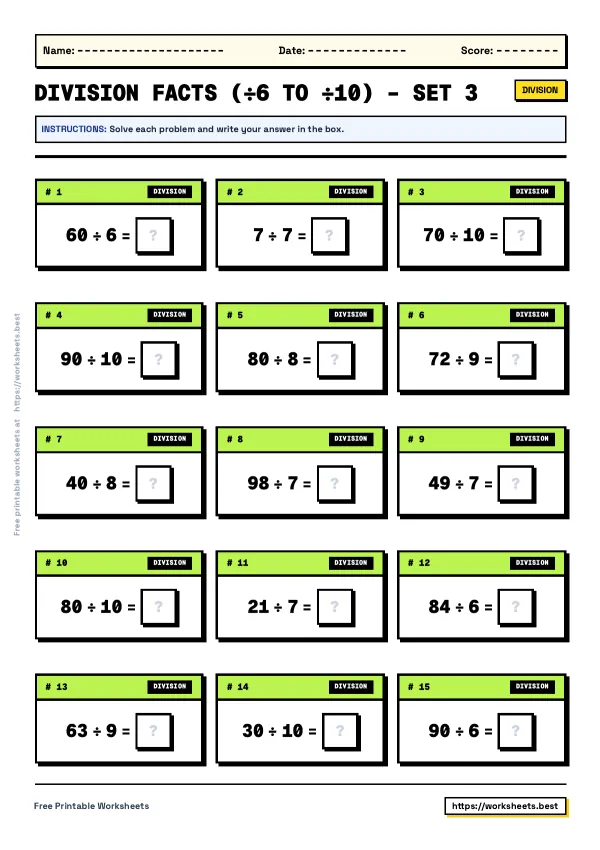
Division Facts (÷6 to ÷10) – Set 3
3rd–4th GradeMath Drills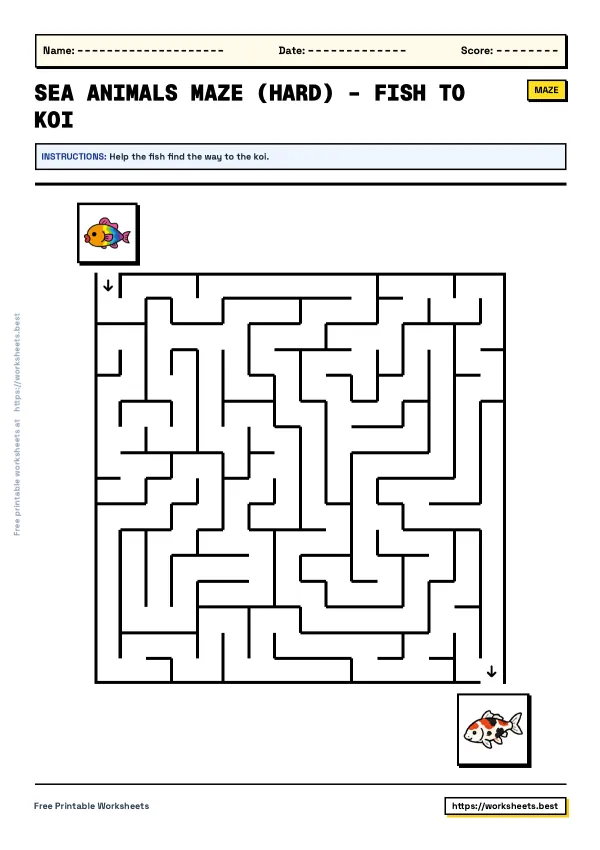
Sea Animals Maze (Hard) – Fish to Koi
4th GradeMazes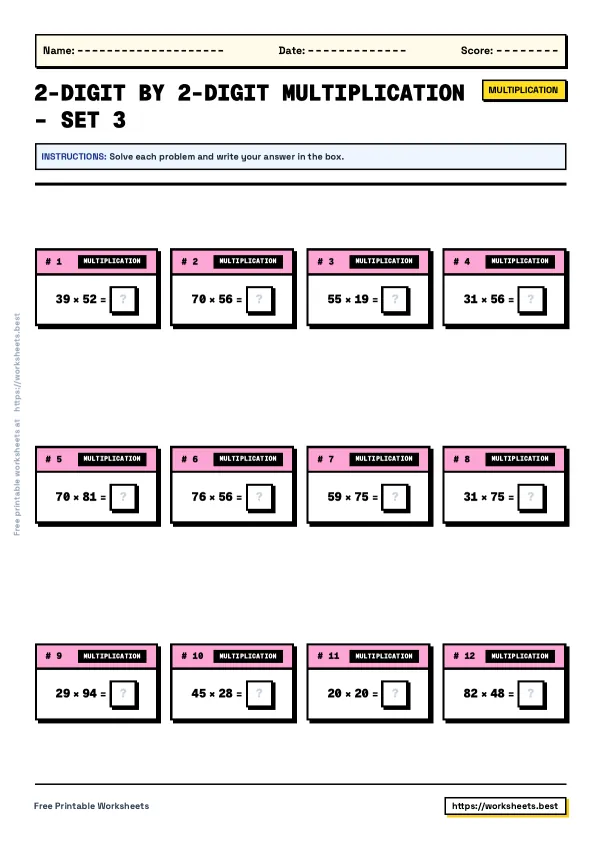
2-Digit by 2-Digit Multiplication – Set 3
4th–5th GradeMath Drills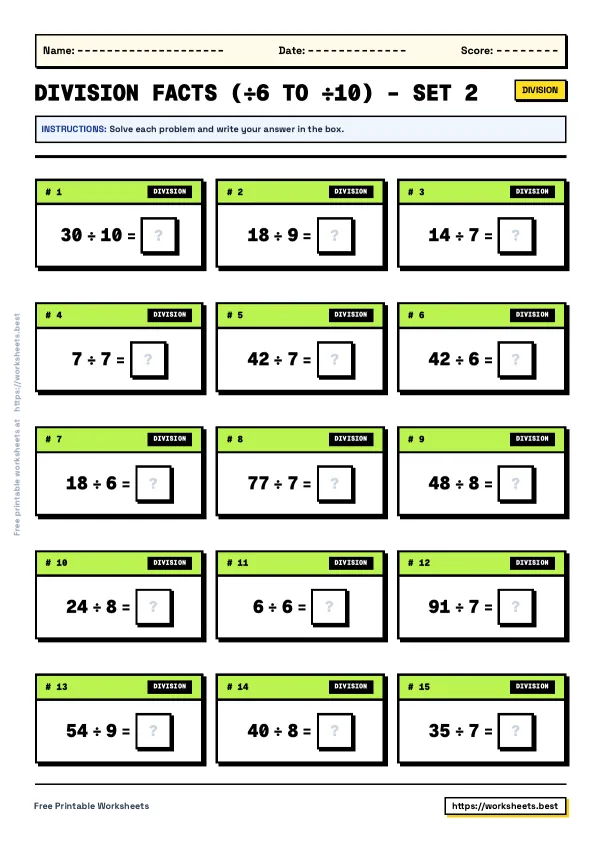
Division Facts (÷6 to ÷10) – Set 2
3rd–4th GradeMath Drills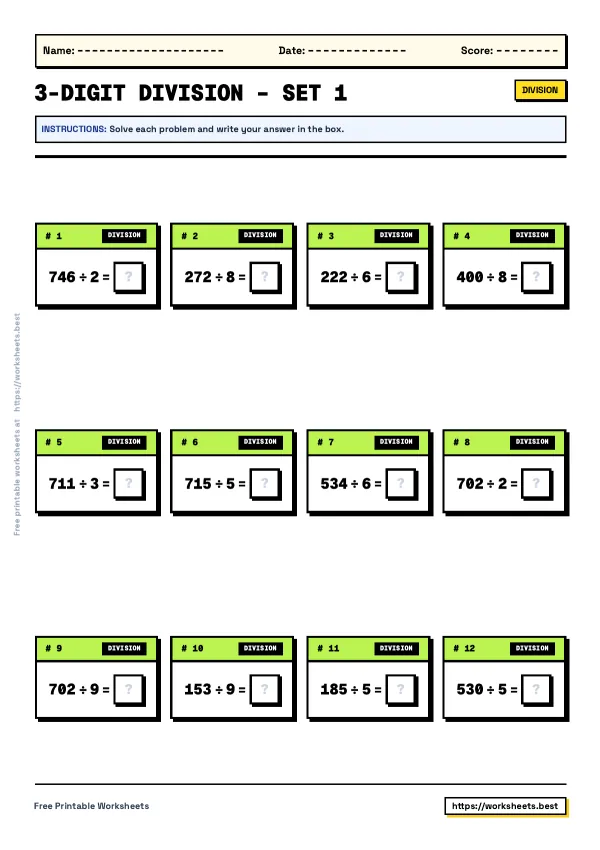
3-Digit Division – Set 1
4th–5th GradeMath Drills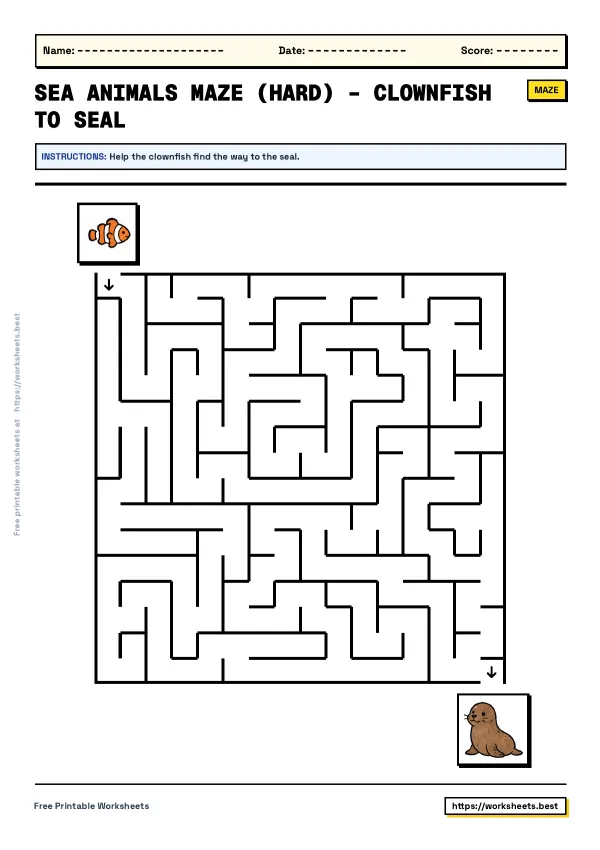
Sea Animals Maze (Hard) – Clownfish to Seal
4th GradeMazes
dig deeper
More 4th Grade worksheets
By subject
By topic
from teachers
Tips for parents and teachers
- Time each drill for about five minutes and let the child finish the rest untimed; speed on multiplication facts comes from short repeated rounds, not one long sitting.
- Have children say the division facts aloud as they write them, since ÷6 through ÷10 are the ones fourth graders most often confuse with their multiplication pairs.
- When a remainder appears, ask the child to read the answer back as a sentence, such as 'forty-two divided by five is eight with two left over,' so the leftover amount means something.
- Keep a few finished sheets and repeat one a week later; a page that felt slow the first time should feel quick the second, and that comparison shows progress better than a score.
Questions parents ask
What multiplication skills should a 4th grader be practicing?
Most of the year goes to multiplying two-digit numbers by one digit and then by two digits, with quick recall of the times tables underneath. A short drill on one pattern at a time helps children keep the steps in order.
How do I explain remainders to a 4th grader?
Start with something shareable: 14 crackers among 4 children gives 3 each and 2 left over. Once the leftover has a meaning, a written remainders drill is the same idea in numbers.
How long should a multiplication or division drill take?
Five to fifteen focused minutes is right for most nine- and ten-year-olds. Short rounds repeated across the week build speed better than one long sitting.
Why do 4th graders need the 11 and 12 times tables?
Both come up in measurement and mental arithmetic beyond the math lesson, and each follows a pattern children can spot. Practicing them on their own, apart from mixed drills, makes the pattern easier to see.
My child still counts on fingers to divide. Is that a problem?
Not while the facts are new; fingers give a child something to check against. Daily practice with ÷6 through ÷10 facts, alongside multiplication, gradually replaces counting with recall.