2nd Grade Logic Puzzle Worksheets
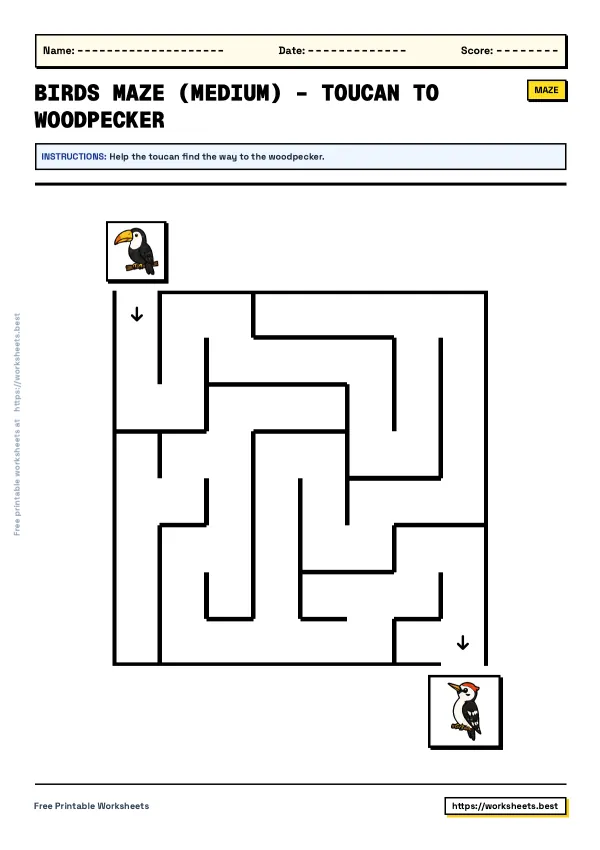
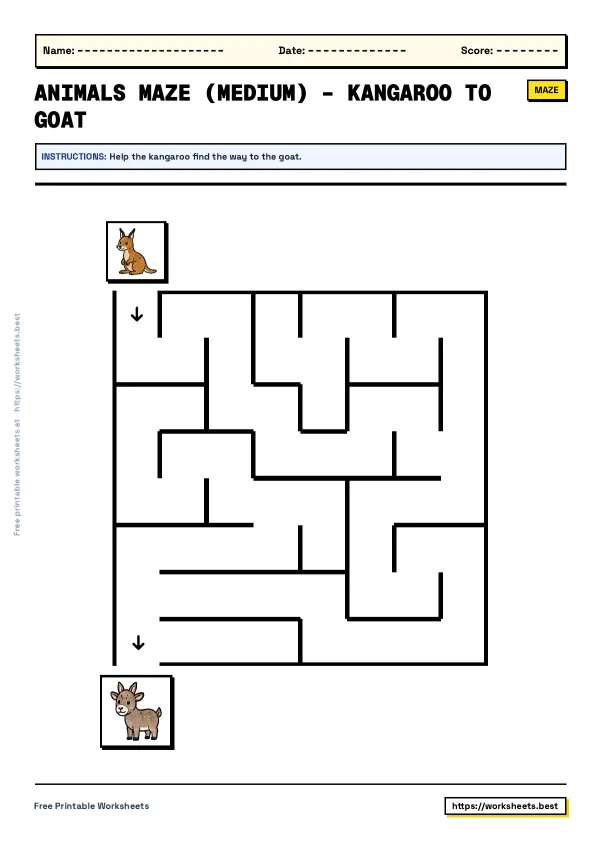
A grid of pictures, a winding path, or a row of objects with one that does not belong gives young thinkers a reason to slow down and check their reasoning. The 2nd Grade Logic Puzzle Worksheets collection turns those small challenges into many printable sheets for children ready to plan, test an idea, and try again. Kids work through picture sudoku, mazes, and odd-one-out puzzles in themes such as sea animals, animals, fruits, insects, birds, community helpers, flowers, and home. The mix of medium and hard sheets keeps the work approachable while asking for careful looking.
Read more +
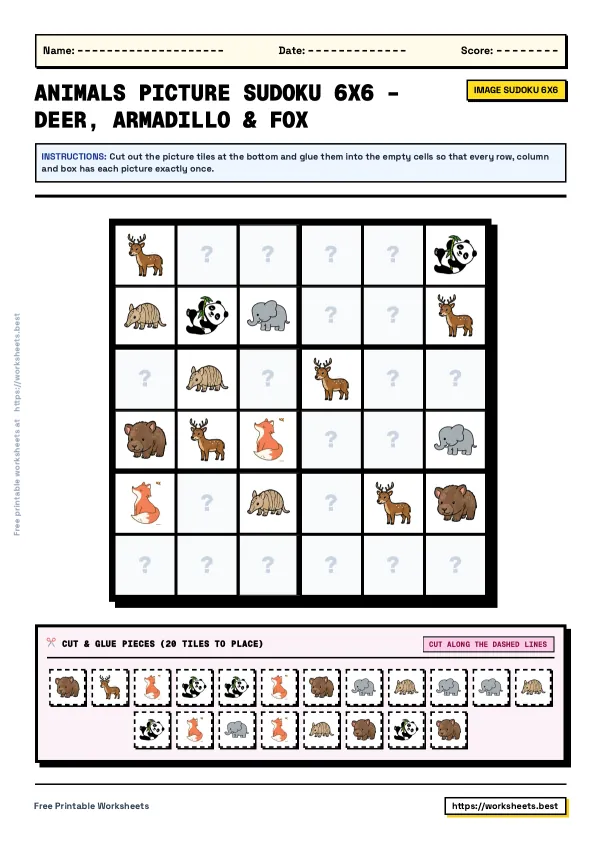
The formats build different habits. Picture sudoku asks children to track rows and columns, mazes encourage visual planning and pencil control, and odd-one-out tasks invite classification and vocabulary talk. A 6x6 picture sudoku filled with deer, armadillo and fox gives a clear example of the grid work, while a hard sea-animal maze that runs from a swordfish to a lobster shows how a path can require patience and small corrections. Answer keys are included for all sheets, so an adult can check a child’s thinking or let a child self-check after a first attempt.
Use these sheets at home as a quiet after-school task or a short morning warm-up. In class, they fit a small-group center, an early-finisher choice, or a partner talk about why an answer works. The tasks support fine motor skills, reasoning, logic, problem solving, visual planning, classification, and vocabulary, with Common Core standard L.1.5.A noted as a reference.
every sheet
All 2nd Grade Logic Puzzle worksheets
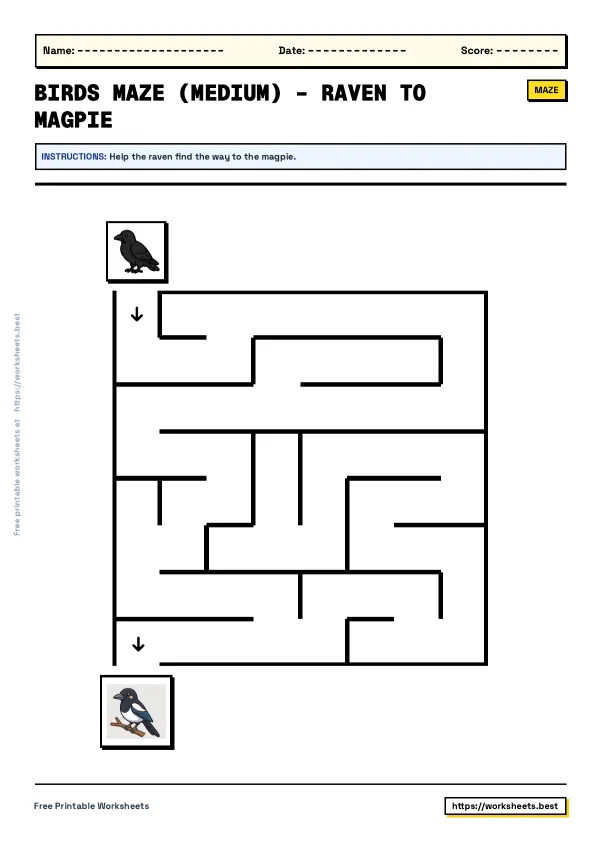
Birds Maze (Medium) – Raven to Magpie
1st–2nd GradeMazes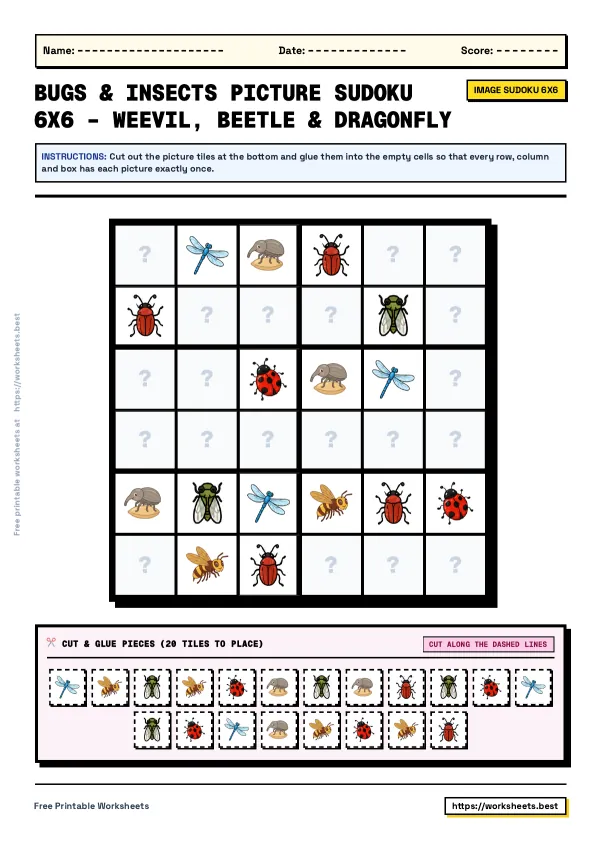
Bugs & Insects Picture Sudoku 6x6 – Weevil, Beetle & Dragonfly
2nd–3rd GradePicture Sudoku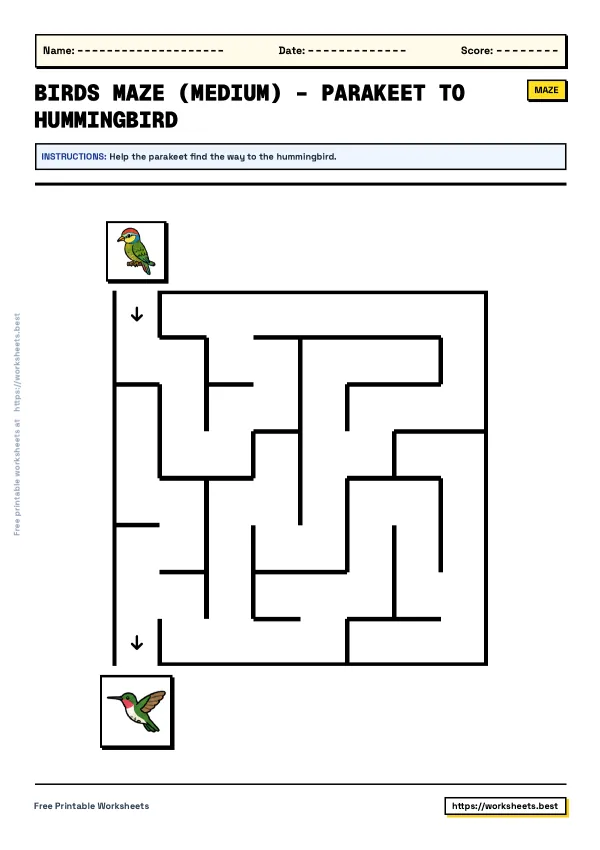
Birds Maze (Medium) – Parakeet to Hummingbird
1st–2nd GradeMazes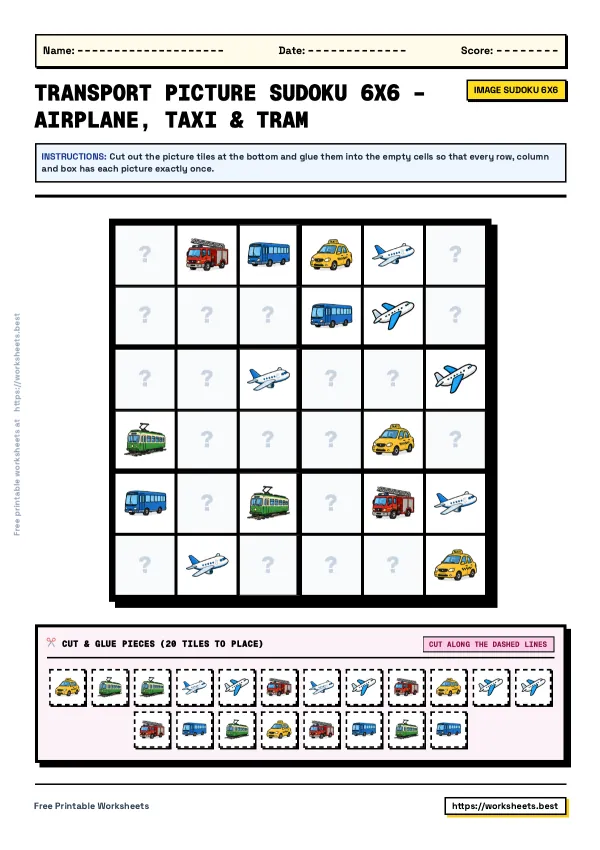
Transport Picture Sudoku 6x6 – Airplane, Taxi & Tram
2nd–3rd GradePicture Sudoku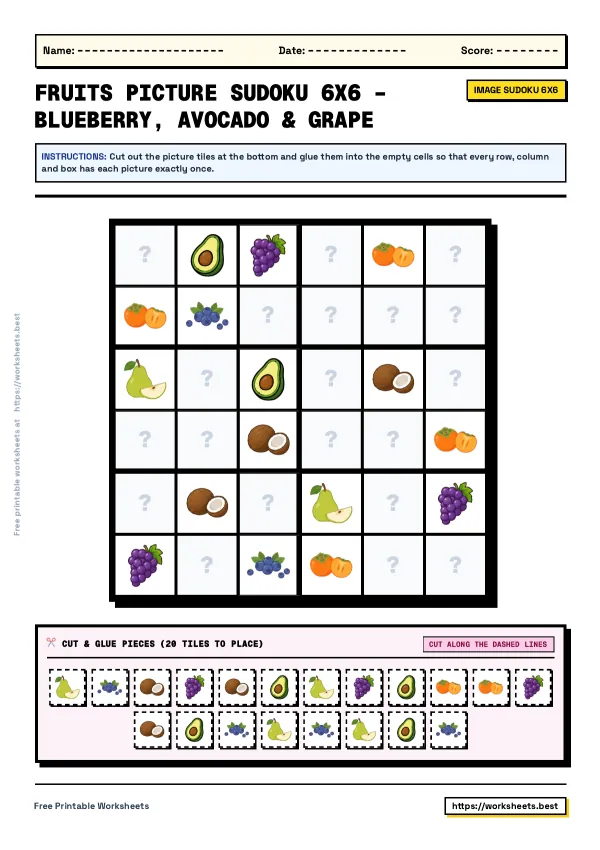
Fruits Picture Sudoku 6x6 – Blueberry, Avocado & Grape
2nd–3rd GradePicture Sudoku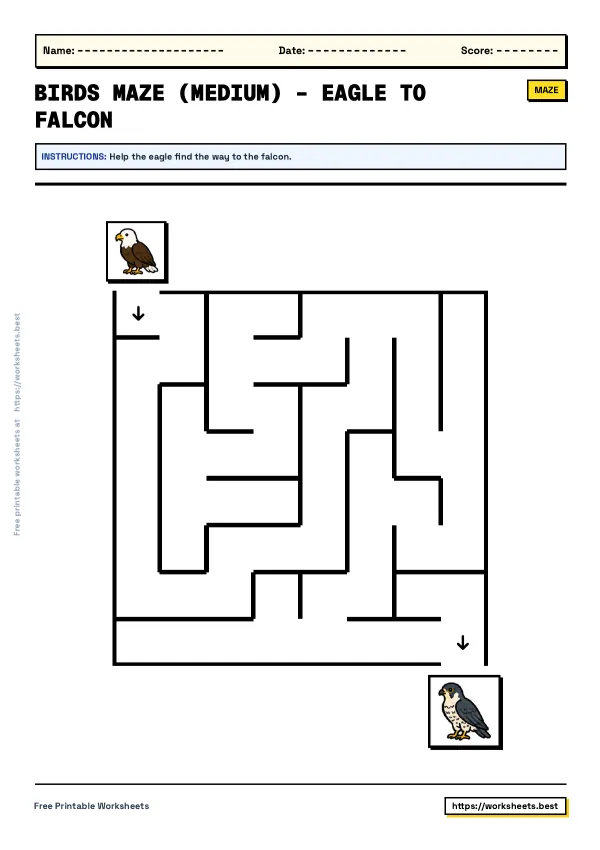
Birds Maze (Medium) – Eagle to Falcon
1st–2nd GradeMazes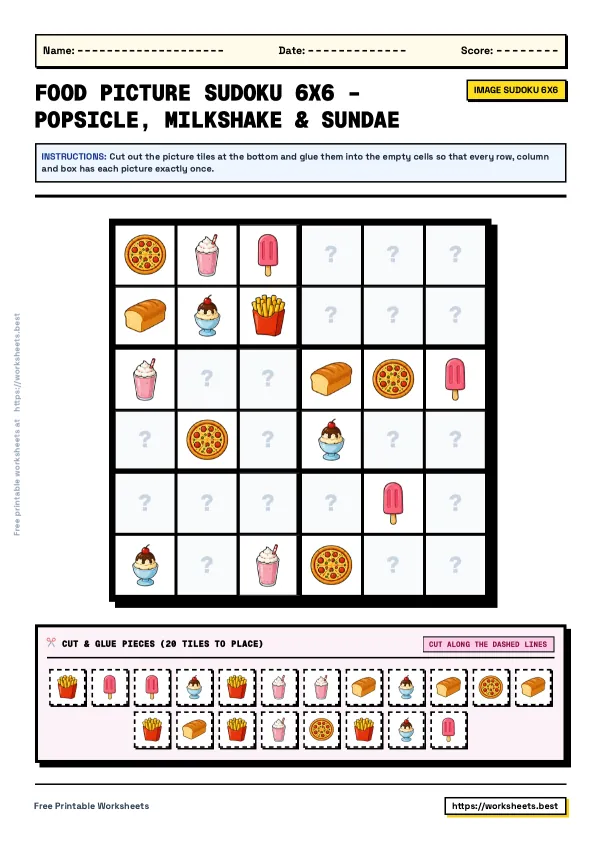
Food Picture Sudoku 6x6 – Popsicle, Milkshake & Sundae
2nd–3rd GradePicture Sudoku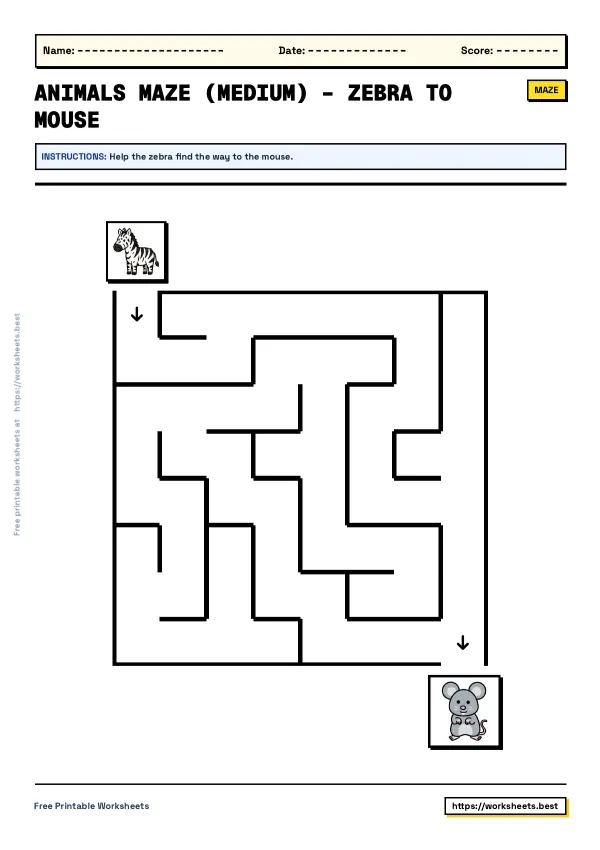
Animals Maze (Medium) – Zebra to Mouse
1st–2nd GradeMazes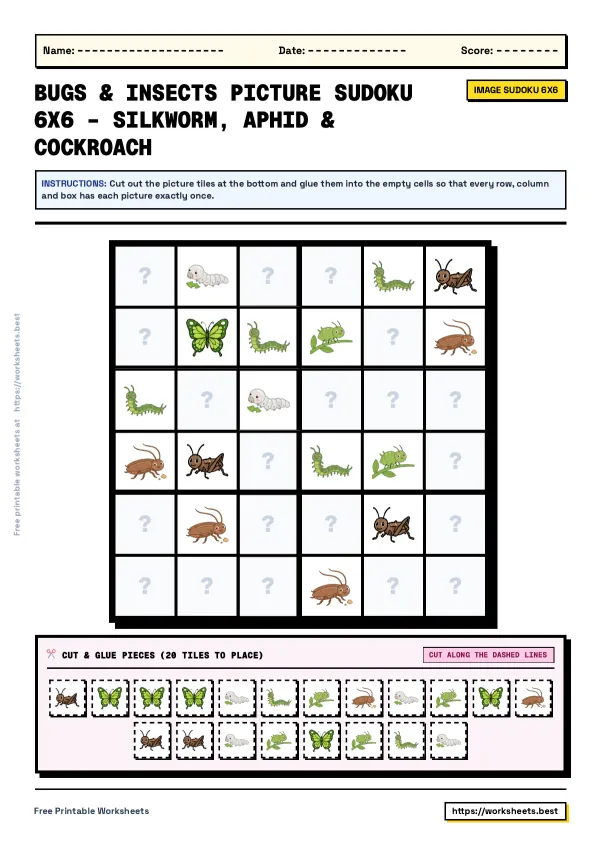
Bugs & Insects Picture Sudoku 6x6 – Silkworm, Aphid & Cockroach
2nd–3rd GradePicture Sudoku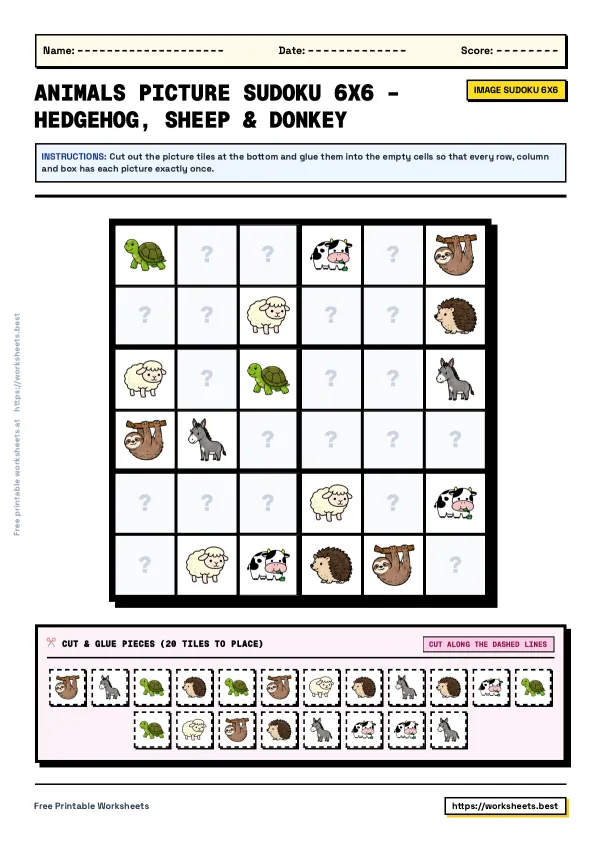
Animals Picture Sudoku 6x6 – Hedgehog, Sheep & Donkey
2nd–3rd GradePicture Sudoku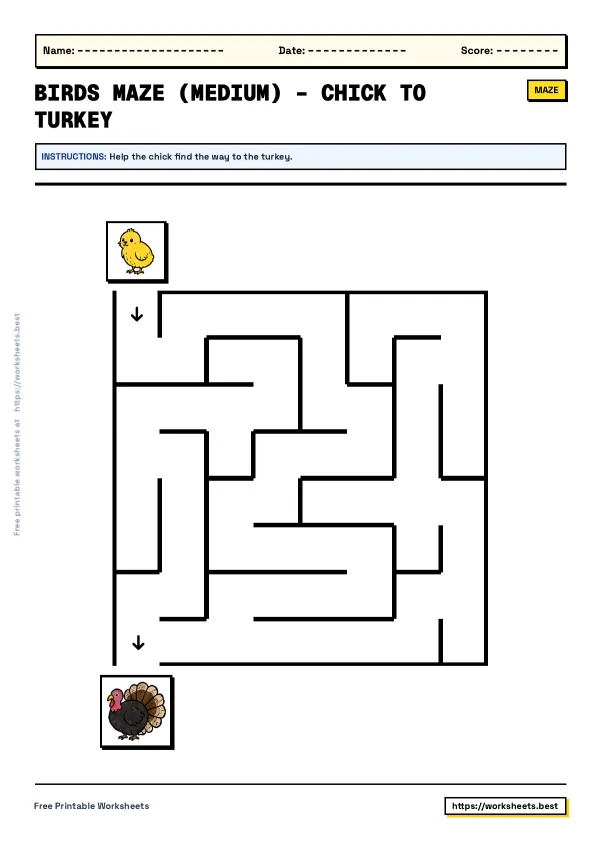
Birds Maze (Medium) – Chick to Turkey
1st–2nd GradeMazes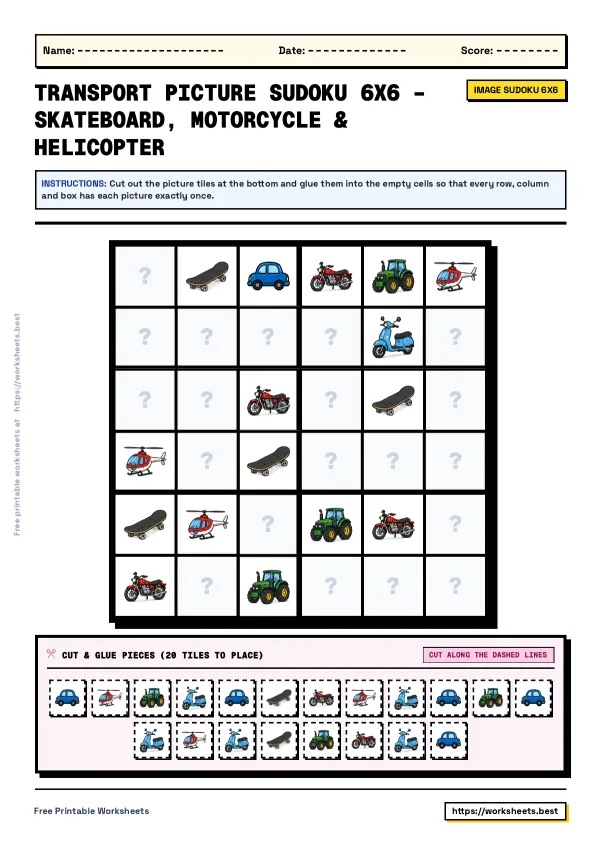
Transport Picture Sudoku 6x6 – Skateboard, Motorcycle & Helicopter
2nd–3rd GradePicture Sudoku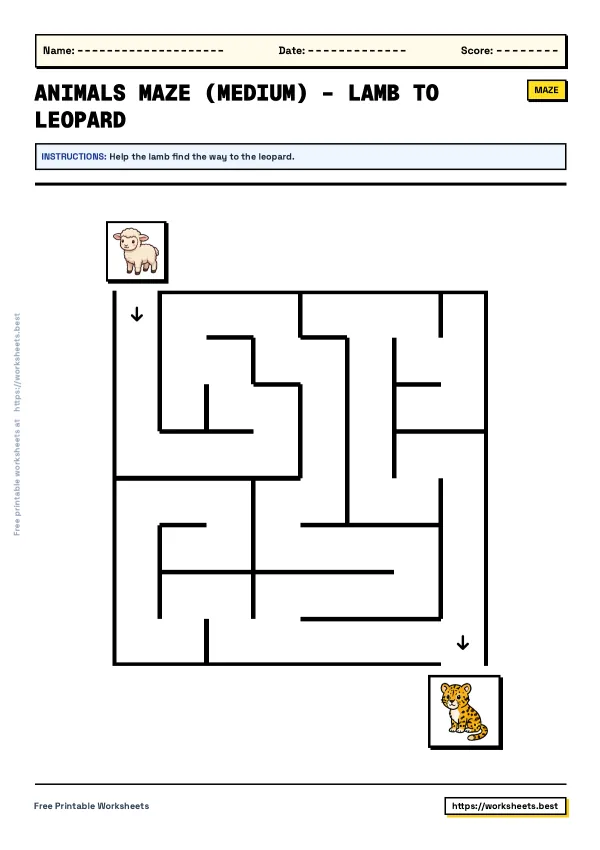
Animals Maze (Medium) – Lamb to Leopard
1st–2nd GradeMazes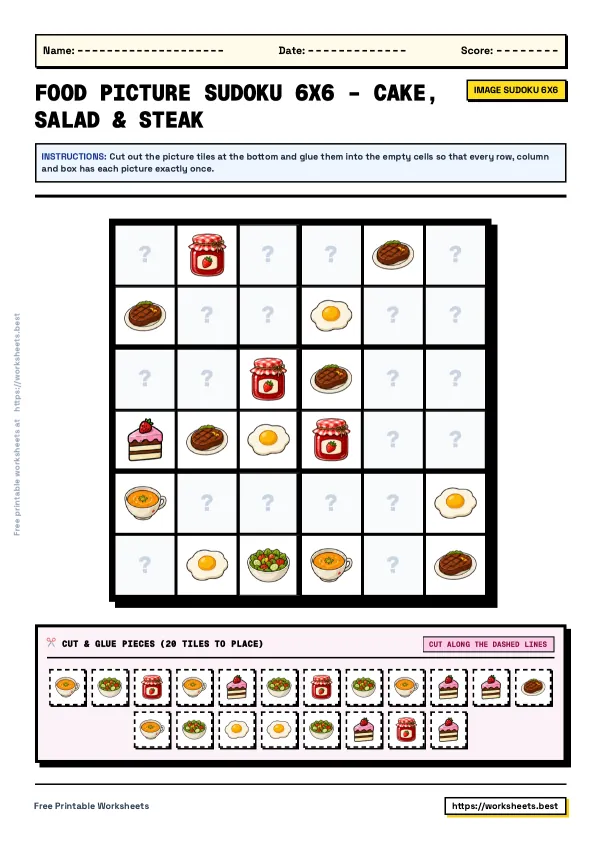
Food Picture Sudoku 6x6 – Cake, Salad & Steak
2nd–3rd GradePicture Sudoku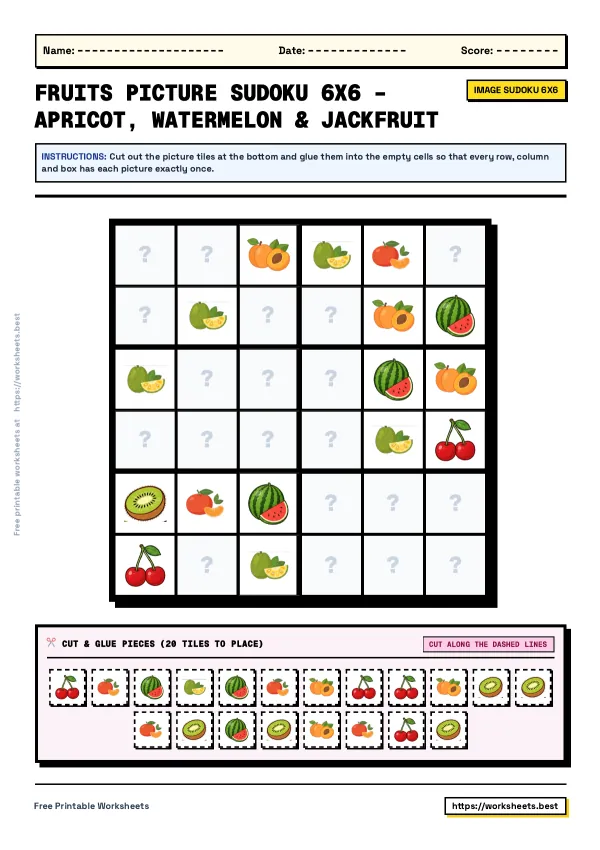
Fruits Picture Sudoku 6x6 – Apricot, Watermelon & Jackfruit
2nd–3rd GradePicture Sudoku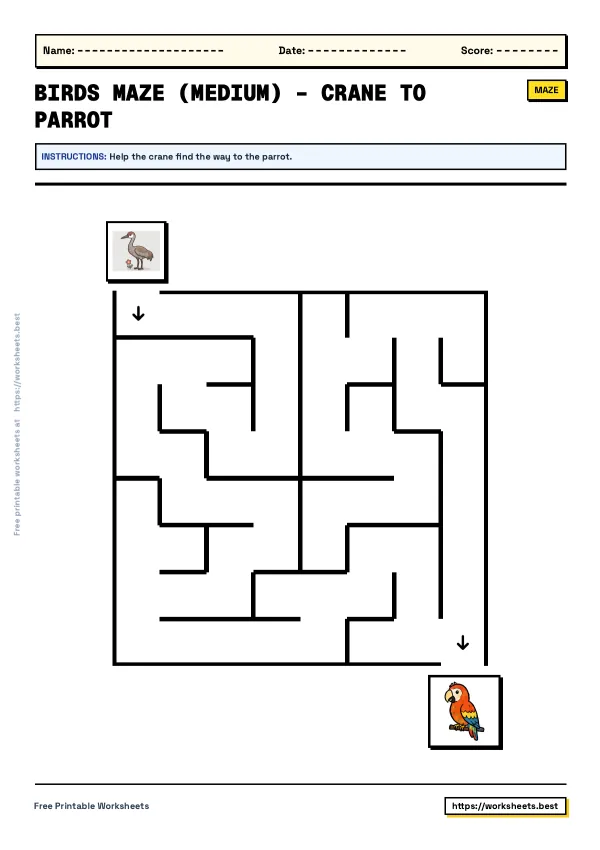
Birds Maze (Medium) – Crane to Parrot
1st–2nd GradeMazes
dig deeper
More 2nd Grade Logic Puzzle worksheets
from teachers
Tips for parents and teachers
- Before writing, ask your child to say what they notice about the pictures, rows, or path. Naming the shapes, animals, or objects aloud supports vocabulary and gives them a plan before pencil work begins.
- For picture sudoku, cover one row or column with a finger and check each symbol once. This turns a guessing habit into a row-by-row reasoning habit.
- In mazes, encourage a light first trace and a slower second pass with a darker pencil. That protects the paper and helps children practice visual planning rather than rushing.
- When a puzzle feels hard, let the child explain one wrong turn or one clue they used. The explanation matters more than speed, and it builds classification and problem-solving language.
Questions parents ask
What kinds of logic puzzles work well for a 2nd grader?
Picture sudoku, mazes, and odd-one-out puzzles fit this age, especially with picture clues rather than long directions. Medium sheets make a good starting point, and harder sheets can follow once a child has a routine.
Are 6x6 picture sudoku puzzles too hard for 2nd grade?
They can be a stretch, but the picture format keeps the rules concrete. Start with one row or column at a time, and let the child say why a picture cannot go in a square.
How do mazes help 2nd graders build problem-solving skills?
Mazes ask children to look ahead, plan a route, and adjust after a wrong turn. A light first trace helps them practice visual planning and fine motor control without pressing too hard.
What does an odd-one-out puzzle teach?
Children sort by a feature such as kind, color, or use, then explain their choice. That practice supports classification, vocabulary, and reasoning.
Should a 2nd grader do logic puzzles alone or with an adult nearby?
Either can work. A short solo attempt builds independence, while a nearby adult can ask what the child noticed first and help them put their reasoning into words.