English Worksheets
From a traced capital letter to a spelled-out third grade word, English Worksheets cover the skills that carry a child from letter sounds into reading and writing. The collection runs from Pre-K through 3rd grade and holds hundreds of sheets on vocabulary, sight words, word tracing, spelling, missing letters, phonics and CVC words, cursive writing and letter tracing.
Read more +
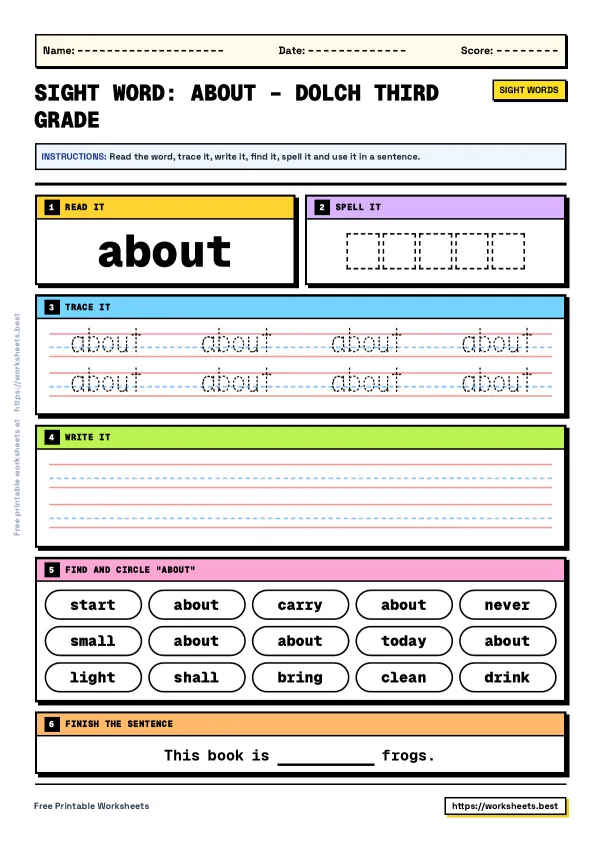
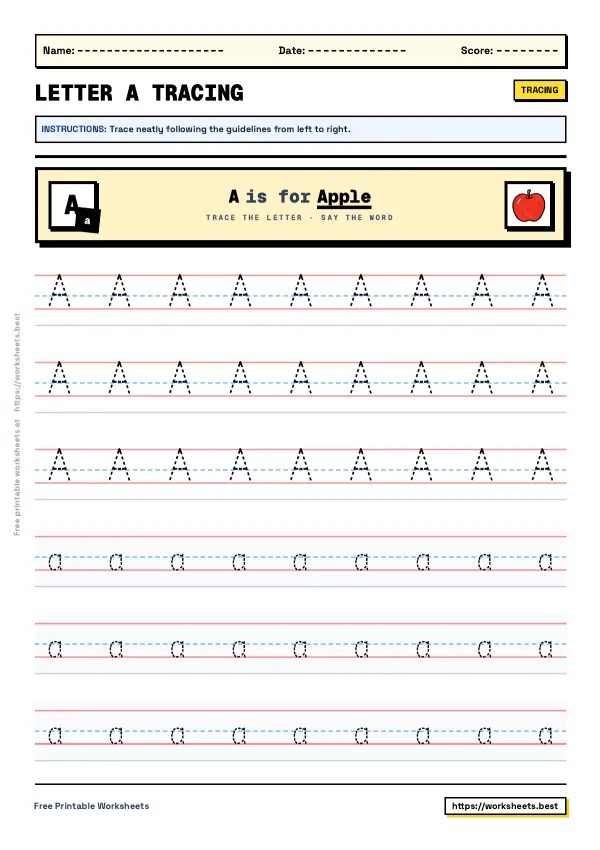
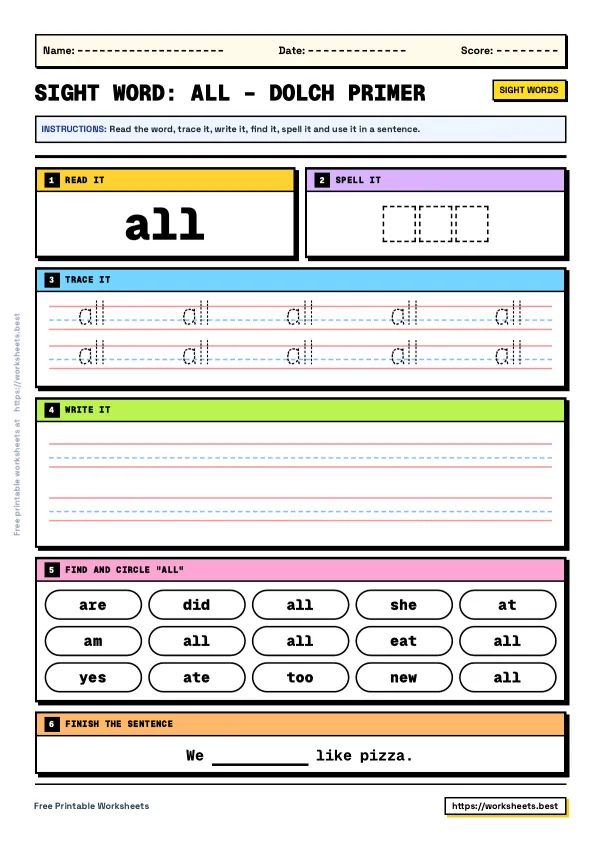
Children meet the same words in several formats, so practice does not stay flat. Tracing sheets let a kindergartener trace snowman and mittens letter by letter, a crossword or word search turns a second grader's vocabulary list into a puzzle to solve, and picture matching and letter sounds sheets ask a child to say the word out loud before finding it. The A–Z cursive set works through the alphabet one letter at a time, while the Dolch pre-primer sight word pages keep the earliest reading words in front of a new reader. Themes follow the calendar and the classroom: animals, sea animals, birds, fruits and vegetables, weather and seasons, body parts, and holidays from Halloween and Thanksgiving to Christmas and winter.
Use a single sheet as morning work, a warm-up before a reading group, or homework that takes ten minutes. Some sheets include answer keys, which makes them easy for a parent or a teaching assistant to check. Several pages line up with Common Core reading and language standards such as RF.K.3.C and L.1.2.E, so you can slot them into what you already teach.
every sheet
All English worksheets
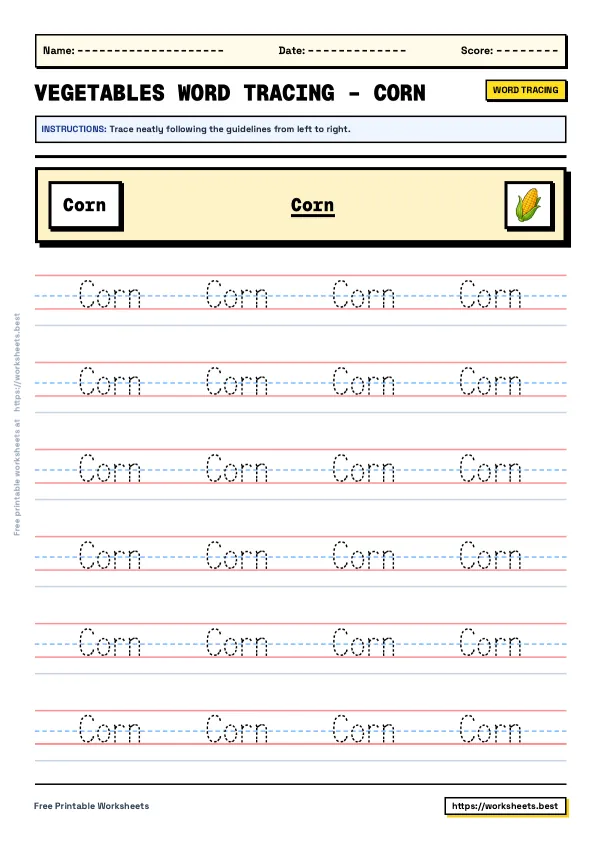
Vegetables Word Tracing – Corn
Pre-K–KTracing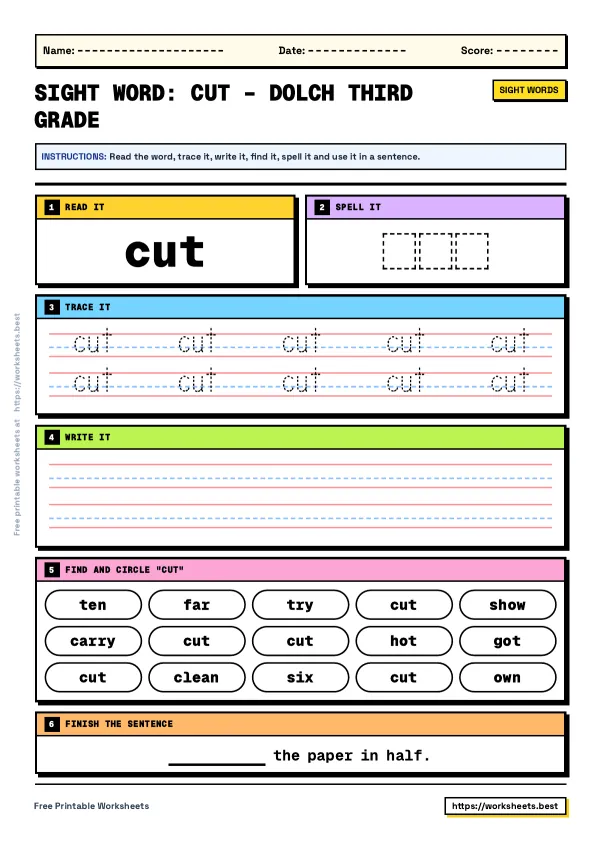
Sight Word: Cut – Dolch Third Grade
3rd GradeSight Words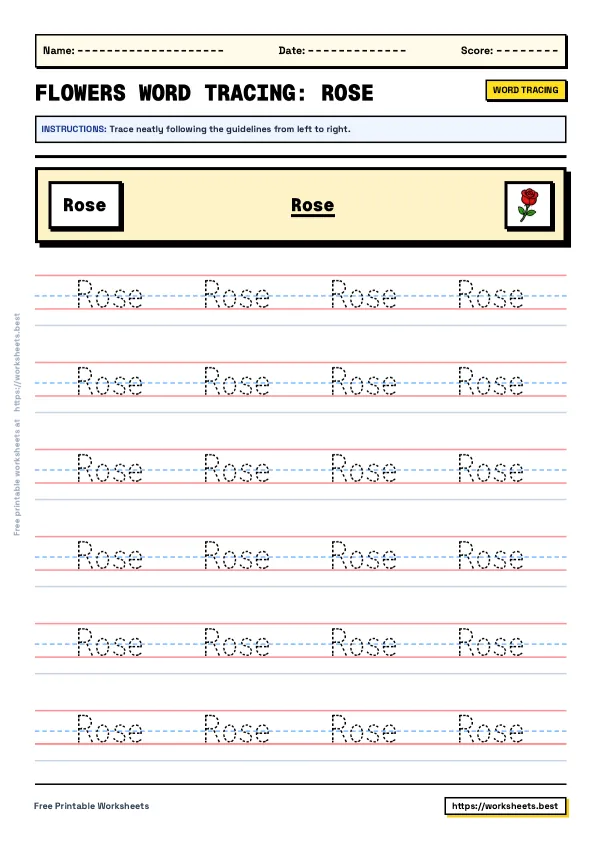
Flowers Word Tracing: Rose
K–1st GradeTracing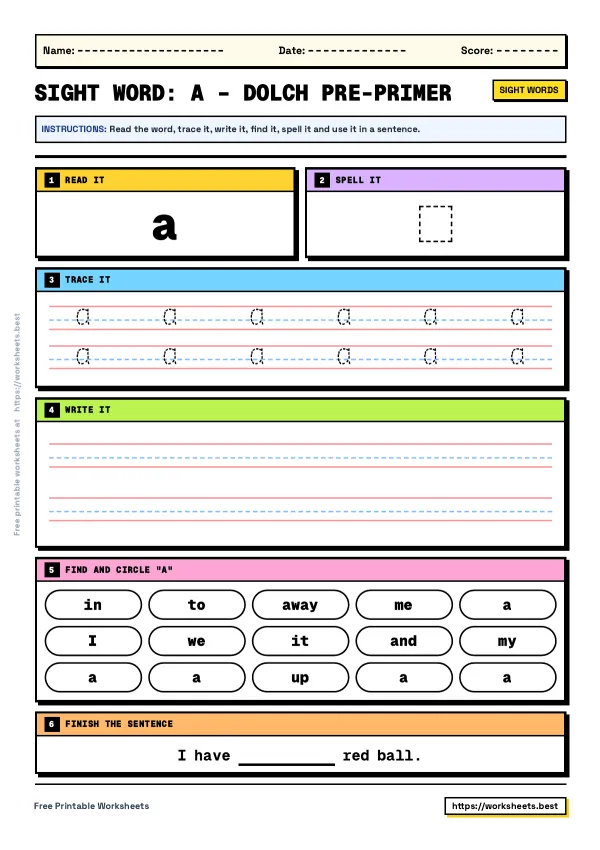
Sight Word: A – Dolch Pre-Primer
Pre-K–KSight Words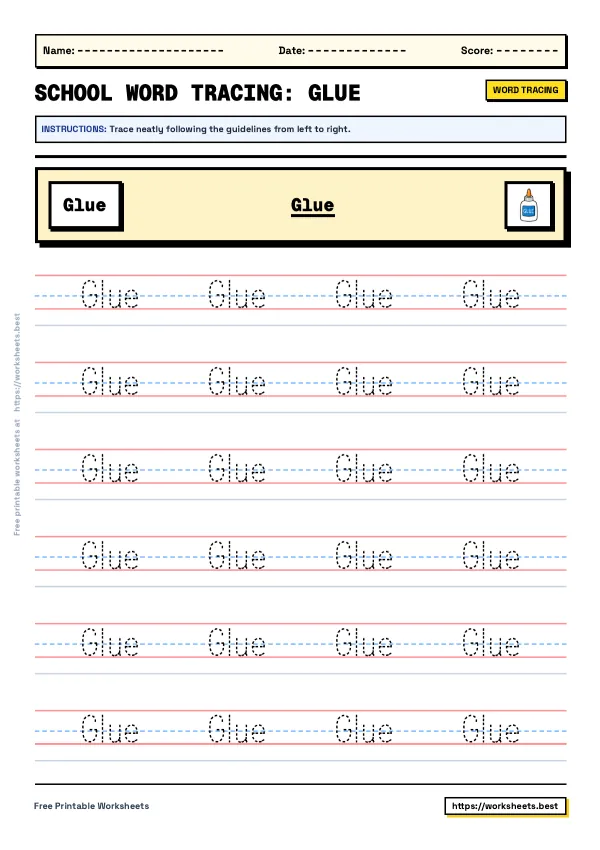
School Word Tracing: Glue
K–1st GradeTracing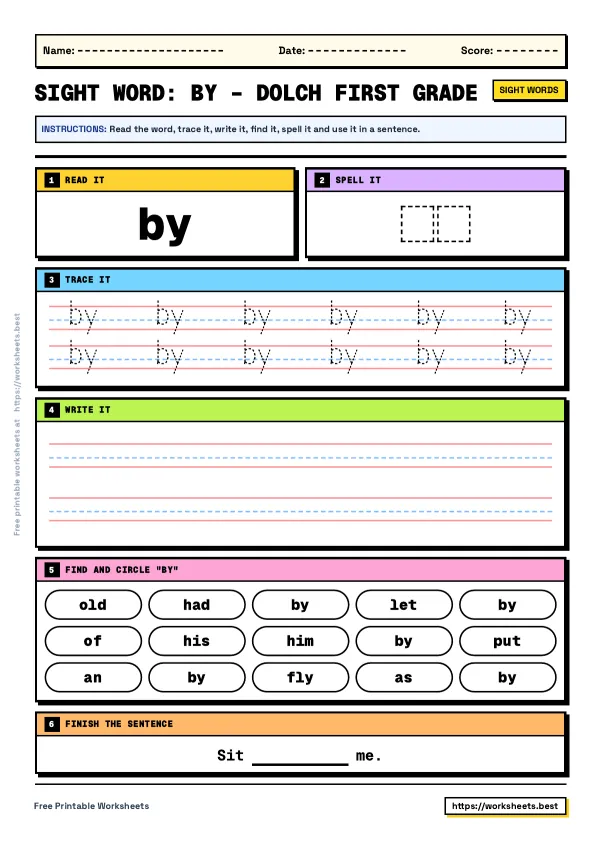
Sight Word: By – Dolch First Grade
1st GradeSight Words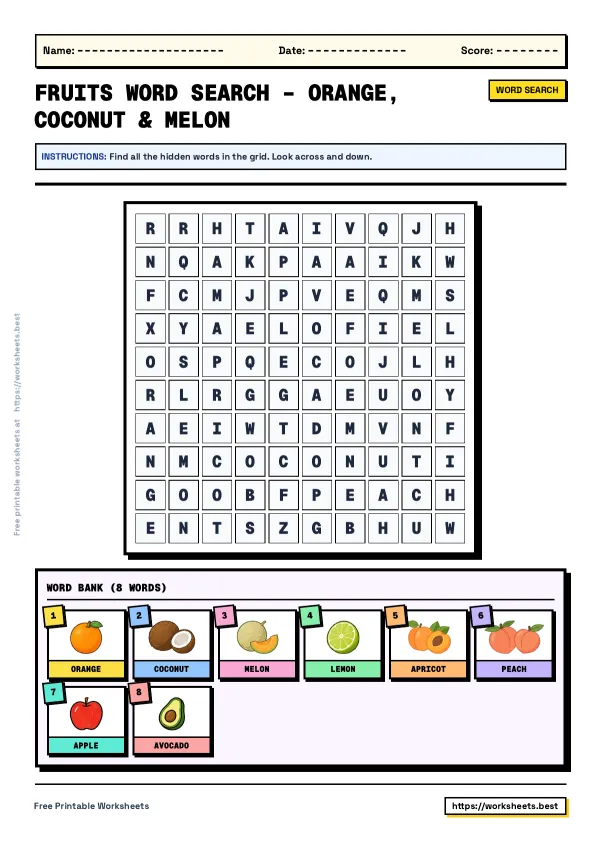
Fruits Word Search – Orange, Coconut & Melon
1st–2nd GradeWord Search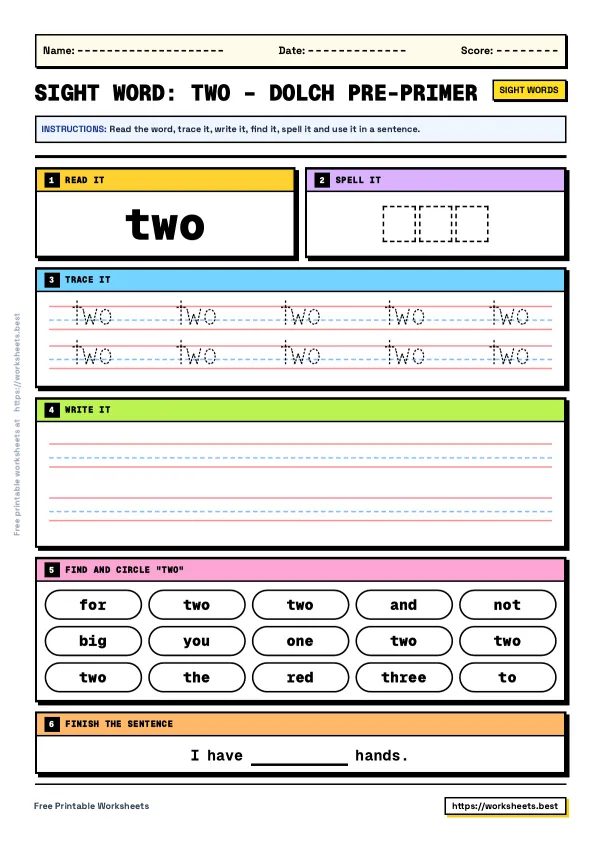
Sight Word: Two – Dolch Pre-Primer
Pre-K–KSight Words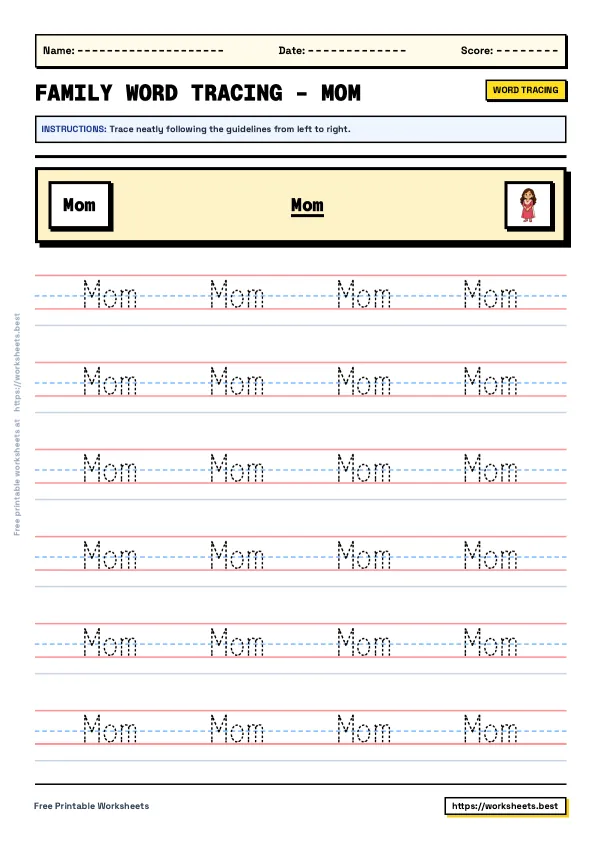
Family Word Tracing – Mom
Pre-KTracing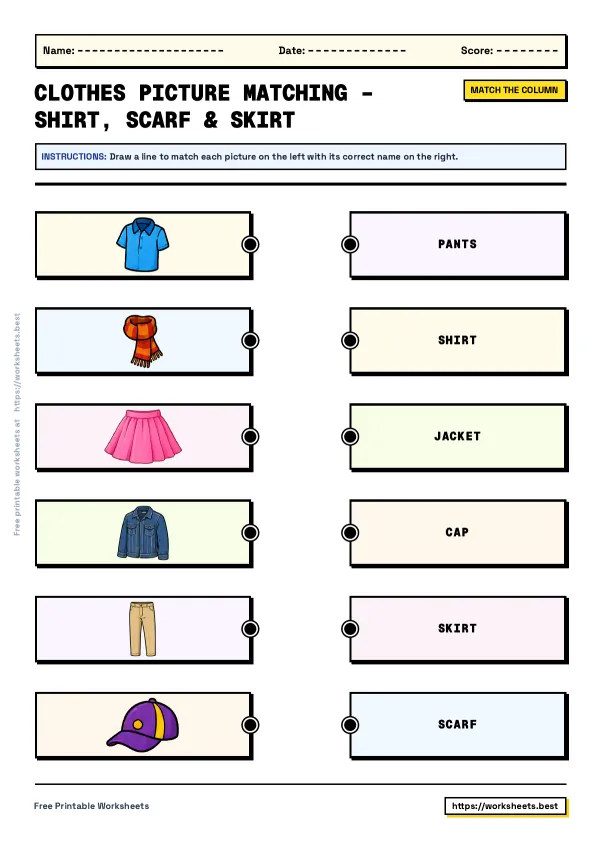
Clothes Picture Matching – Shirt, Scarf & Skirt
K–1st GradePicture Matching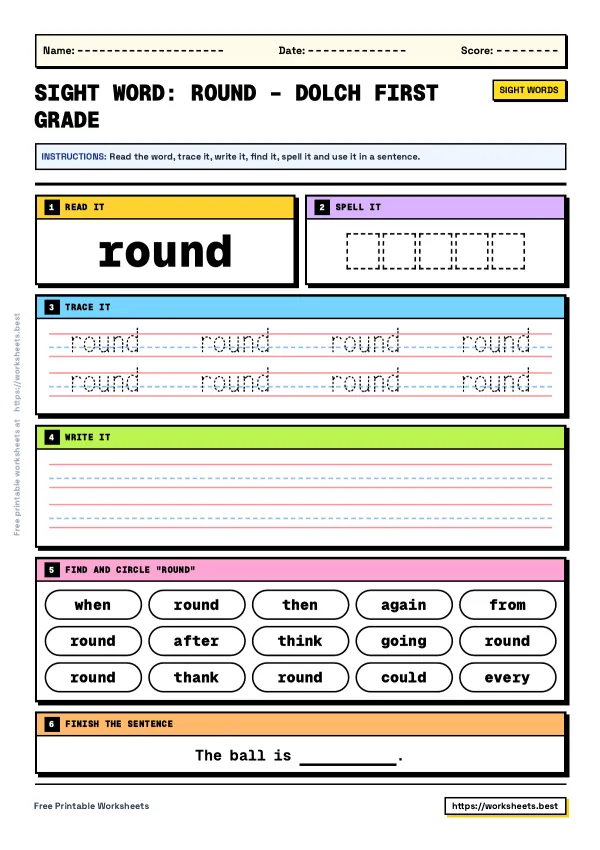
Sight Word: Round – Dolch First Grade
1st GradeSight Words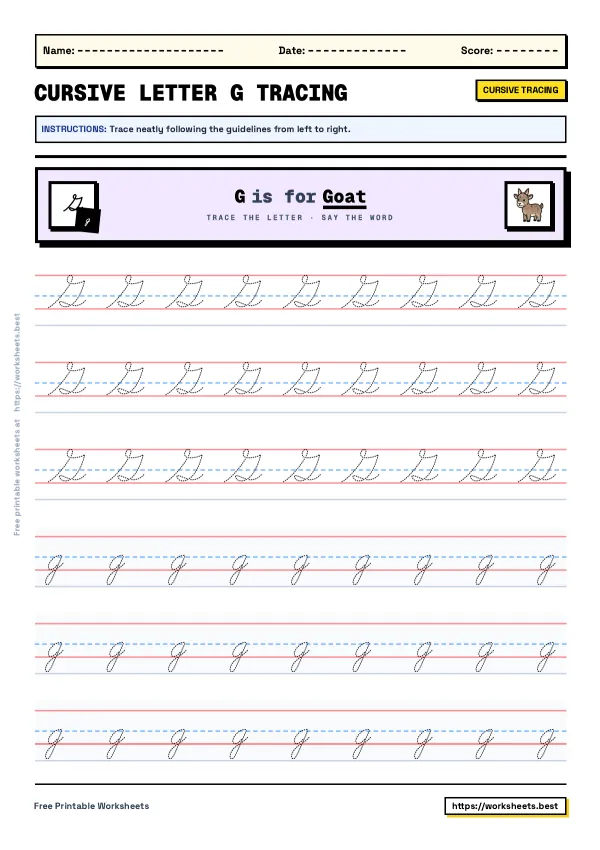
Cursive Letter G Tracing
2nd–3rd GradeTracing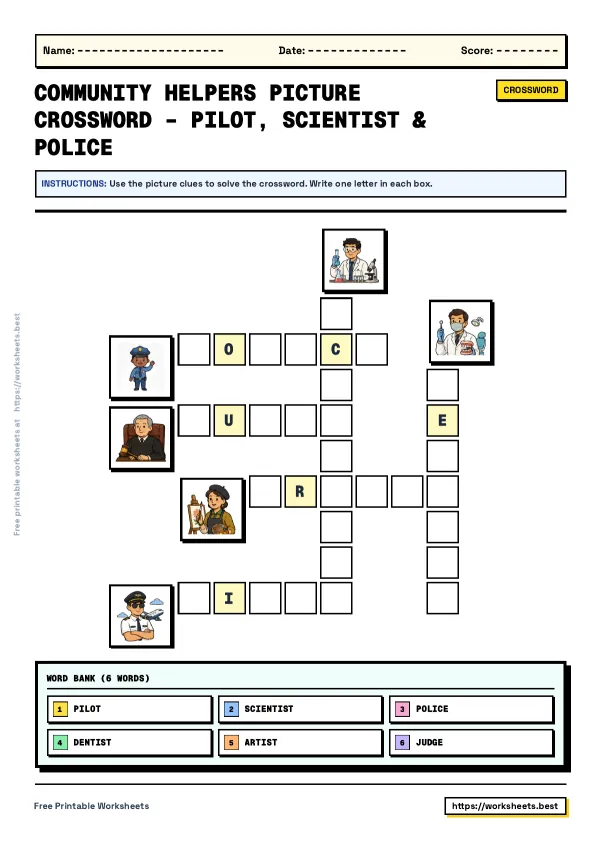
Community Helpers Picture Crossword – Pilot, Scientist & Police
2nd–3rd GradeCrossword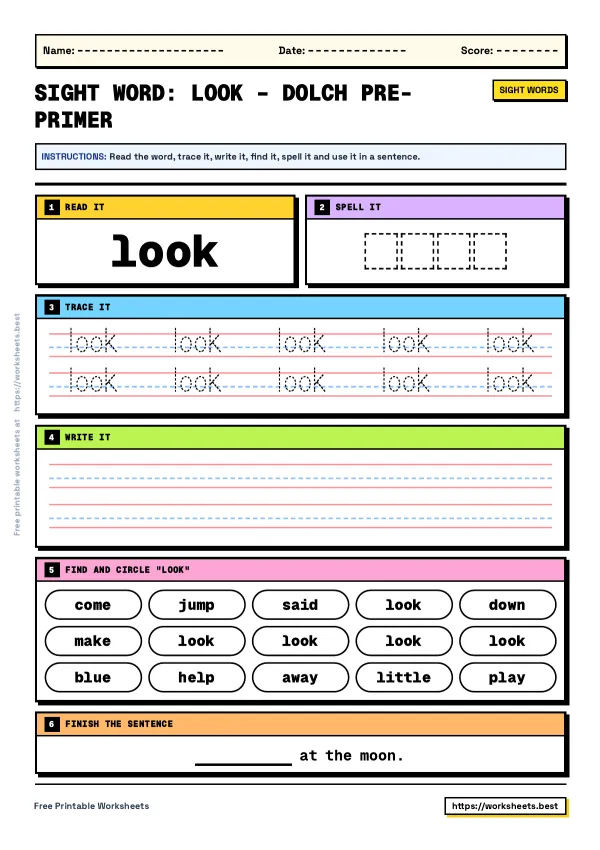
Sight Word: Look – Dolch Pre-Primer
Pre-K–KSight Words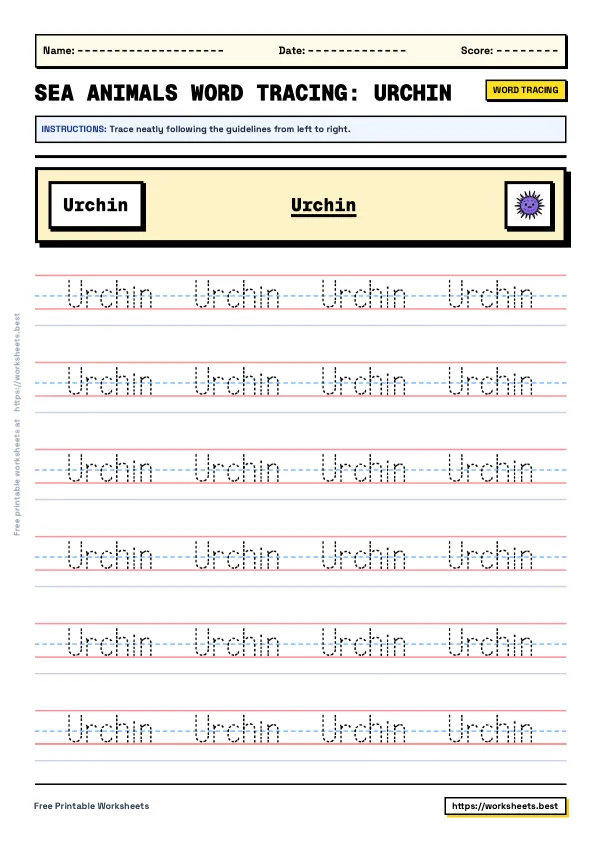
Sea Animals Word Tracing: Urchin
K–1st GradeTracing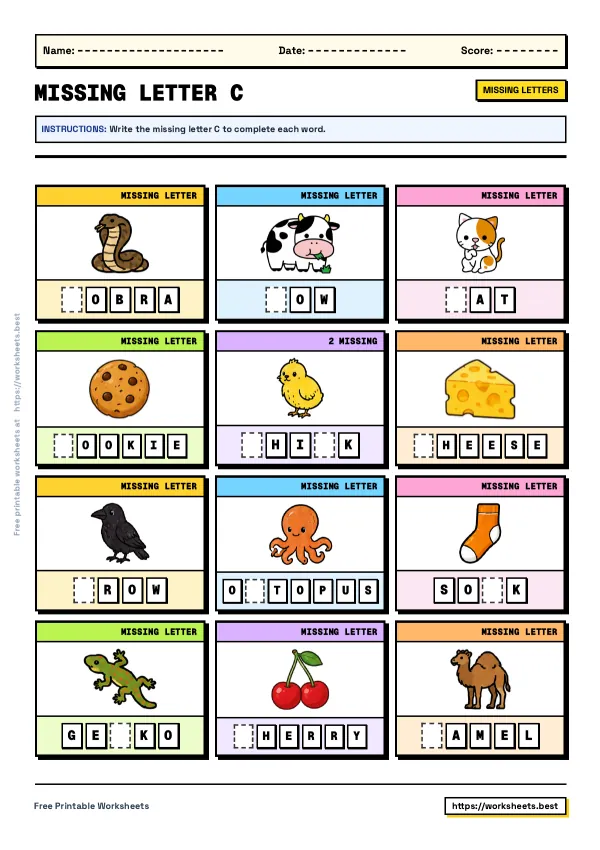
Missing Letter C
K–1st GradeMissing Letters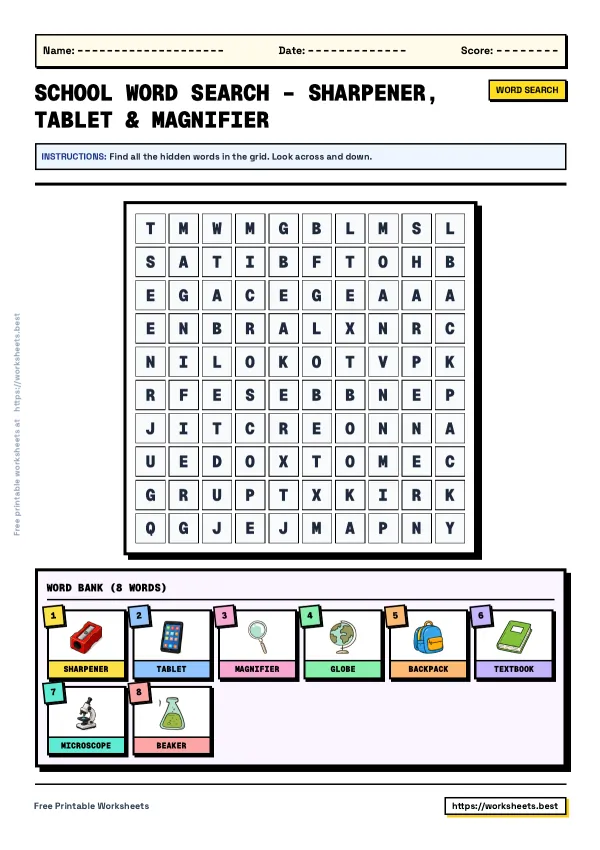
School Word Search – Sharpener, Tablet & Magnifier
1st–2nd GradeWord Search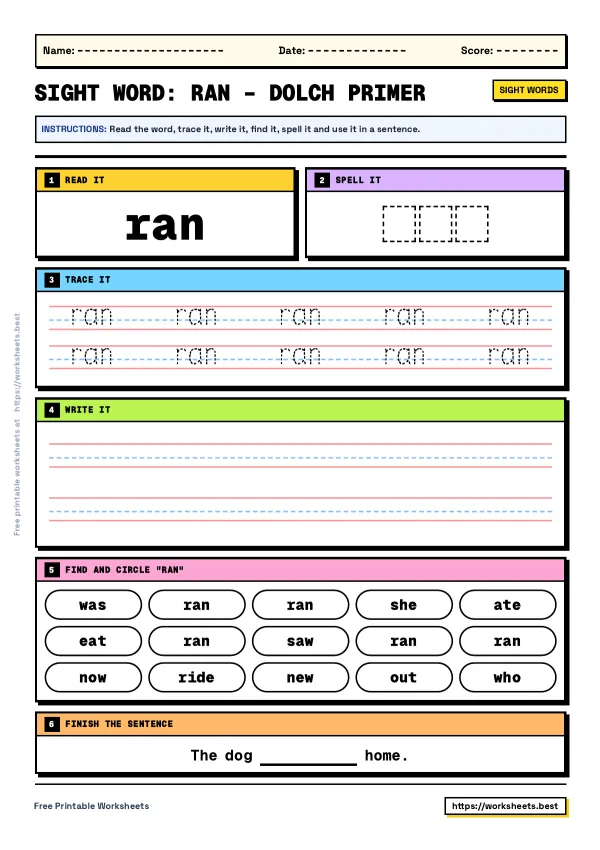
Sight Word: Ran – Dolch Primer
KindergartenSight Words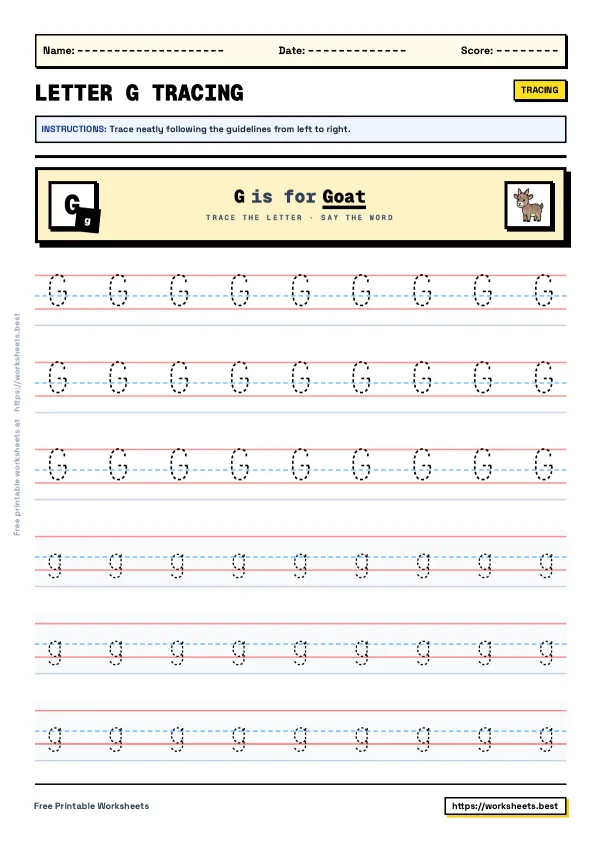
Letter G Tracing
Pre-K–KTracing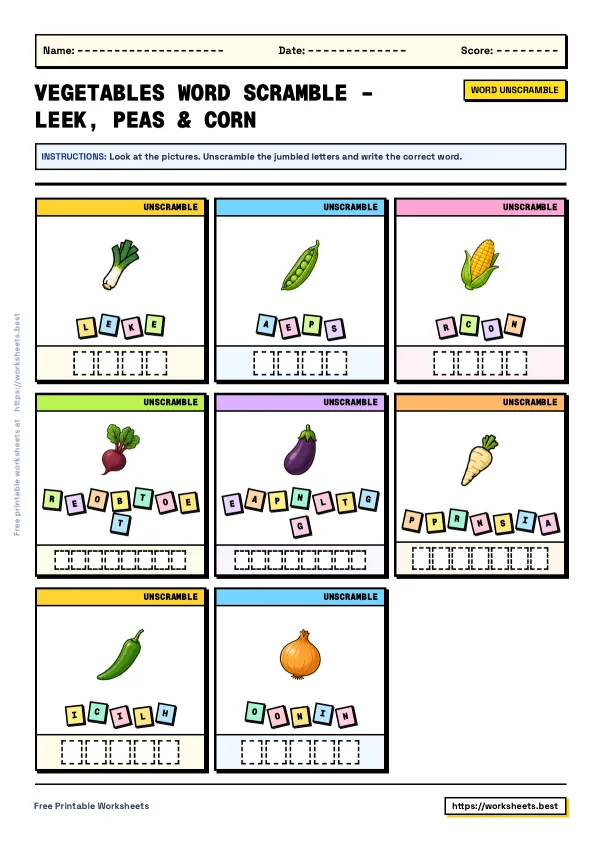
Vegetables Word Scramble – Leek, Peas & Corn
1st–2nd GradeWord Scramble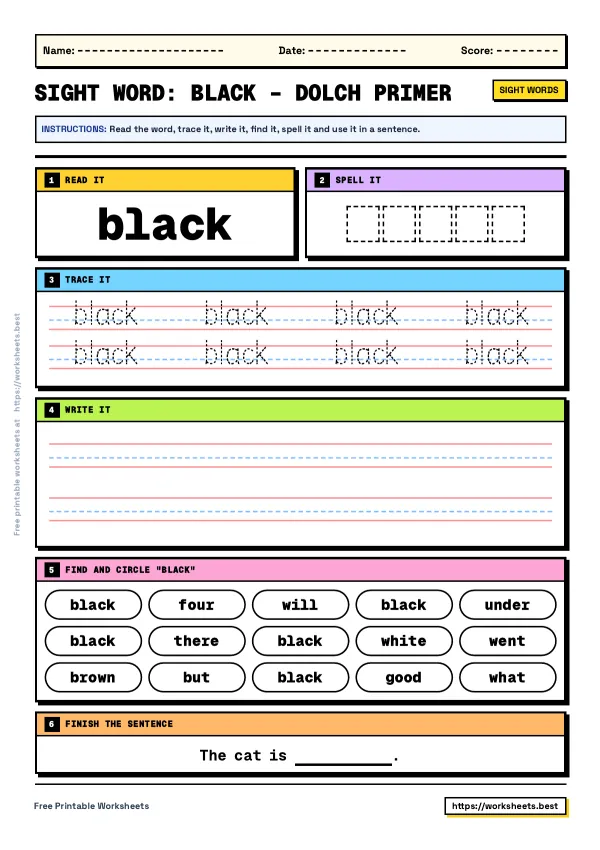
Sight Word: Black – Dolch Primer
KindergartenSight Words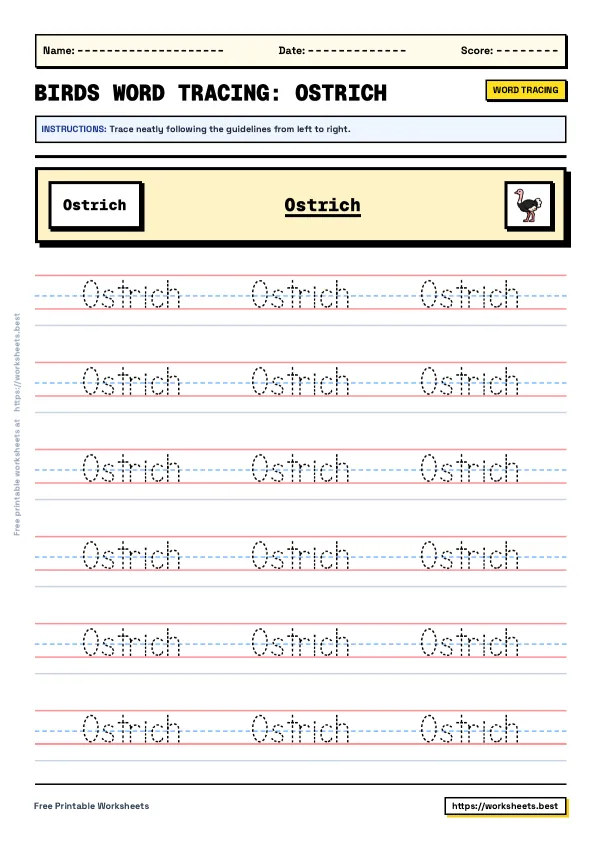
Birds Word Tracing: Ostrich
K–1st GradeTracing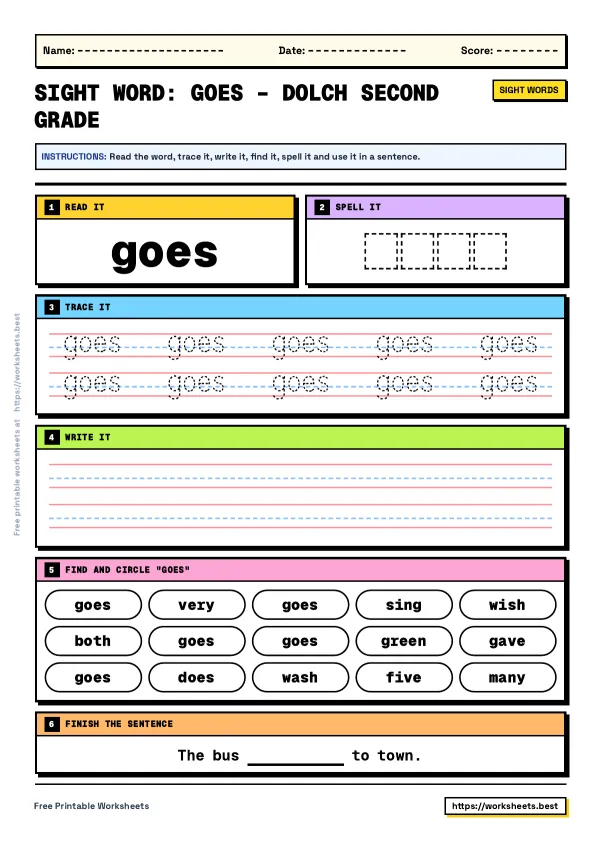
Sight Word: Goes – Dolch Second Grade
2nd GradeSight Words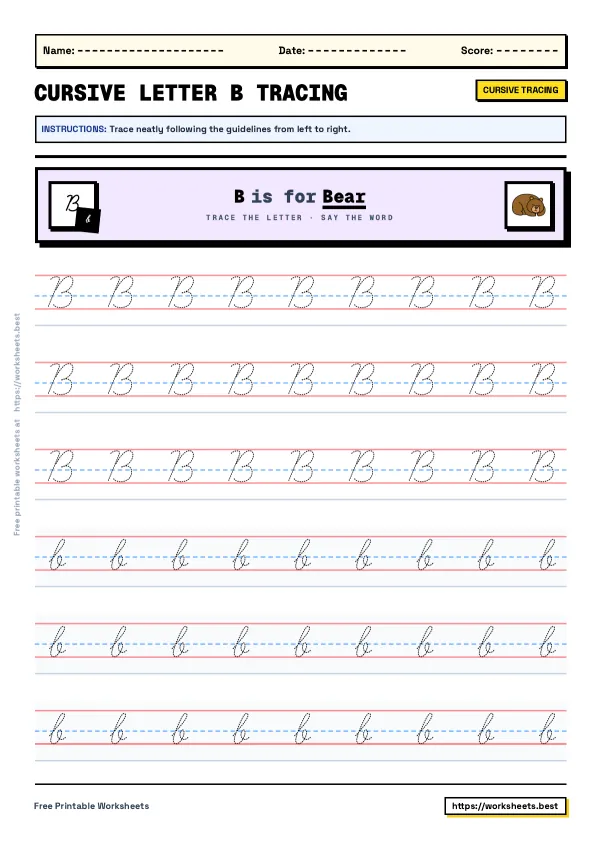
Cursive Letter B Tracing
2nd–3rd GradeTracing
dig deeper
More English worksheets
from teachers
Tips for parents and teachers
- Have your child trace the dotted word first, then write it once more freehand on the empty space beside it, saying each letter aloud as the pencil moves.
- Keep sight word practice to five or six words at a time and revisit the same short list on three different days instead of finishing a whole page in one sitting.
- On missing letters and word scramble sheets, ask the child to say the whole word out loud before writing anything, so the task stays a phonics exercise rather than a guessing game.
- Slip a tracing or letter sounds page into a dry-erase sleeve for a quick small-group warm-up, then send the paper copy home for the same practice later in the week.
Questions parents ask
What sight words should a kindergartener know?
Most kindergarten classrooms work from the Dolch pre-primer and primer lists, which are short, common words that show up constantly in early readers. Begin with a few words your child meets often in books, and add new ones once the first set can be read without stopping to sound out.
What is the difference between phonics practice and sight word practice?
Phonics work asks a child to sound out a word, which is why CVC sheets use simple patterns like hat and cat that follow regular letter sounds. Sight words are the ones children learn to recognize on sight because they are so frequent, even when their spelling is less predictable.
Should my child be learning cursive in 2nd or 3rd grade?
Many schools introduce cursive in late 2nd grade or during 3rd grade, once print letters are steady. An alphabet set that traces one letter at a time lets a child build the joins slowly before writing whole words.
How do I help a child who reverses letters like b and d?
Letter tracing sheets that show a clear starting dot and direction give the hand a consistent pattern to repeat. Pair the tracing with saying the letter sound, and keep sessions short so the habit is practiced correctly rather than quickly.
How long should a Pre-K or kindergarten child spend on one worksheet?
Five to ten minutes is plenty at this age, and stopping while the child is still interested works better than pushing through a full page. A short tracing or picture matching sheet done happily is worth more than a long one finished in frustration.